
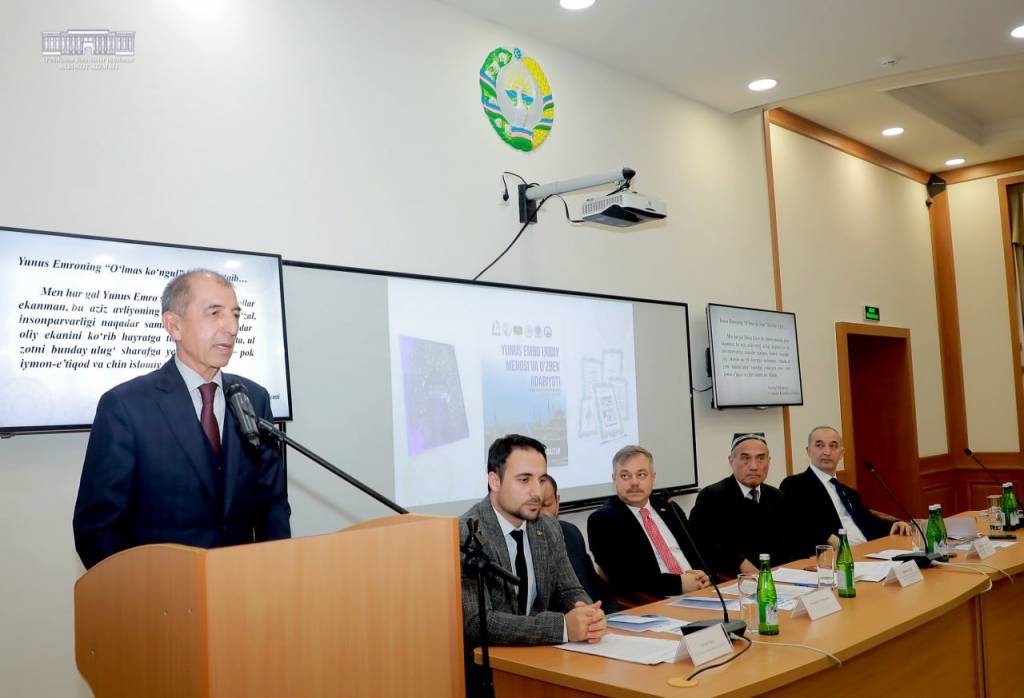
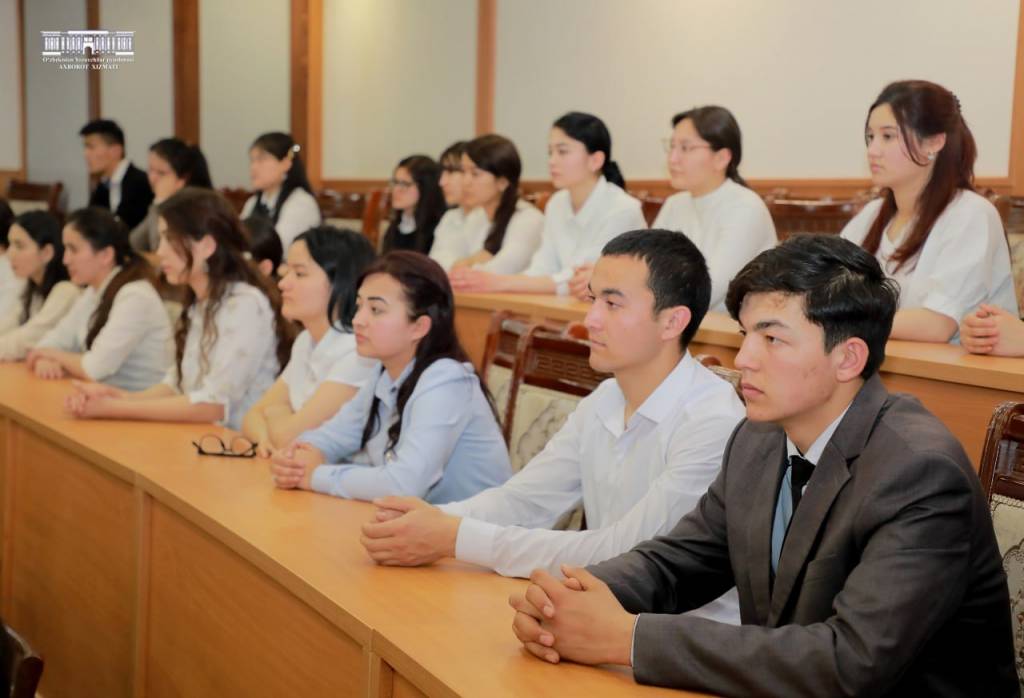
Tashkent State University of Uzbek Language and Literature named after Alisher Navoi, together with the Union of Writers of Uzbekistan and the Academy of Sciences, organized a scientific conference dedicated to the creative heritage of Yunus Emre and Uzbek literature.
As it was noted at the conference, political and economic, cultural-humanitarian relations between Uzbekistan and Turkey have strong historical roots, harmonious spiritual values and traditions.
The importance of Yunus Emre's work in the literature of Turkic-speaking peoples was discussed in detail at the event. The traditions of such Uzbek literary classics as Ahmad Yasawi were worthily continued in the works of Yunus Emre. The participants exchanged views on the translation and promotion of the poet's legacy, on current and future Uzbek-Turkish literary plans.
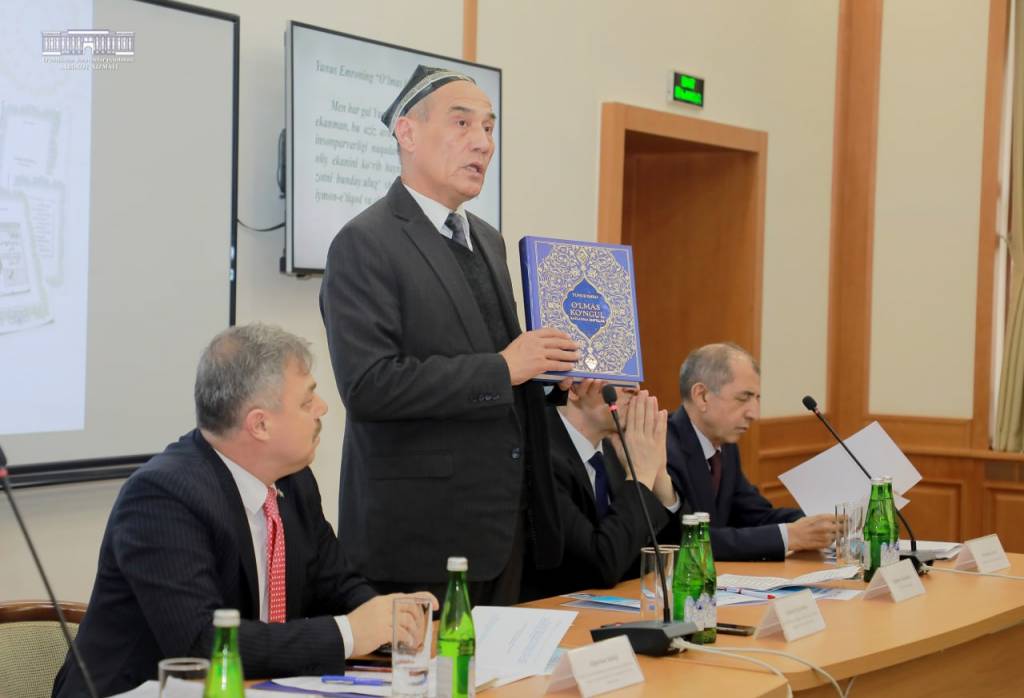
Yunus Emre is one of the most prominent figures in the history of Turkish literature. His poetic legacy is known only in later records dating from about the XV-XVI centuries. These recordings then became the basis for the creation of a dewan of the poet's works. The dominant themes of his works are travel, foreign land and homesickness.
“Yunus Emre's poems have been translated into Uzbek by such poets and translators as Jamol Kamol, Mirzo Kenjabek, Yuldash Eshbek”, says Chairman of the Writers' Union of Uzbekistan, People's poet Sirojiddin Sayyid. – Many of our scientists and researchers comprehensively study his work, thereby actively contributing to the dissemination of his heritage. It should be noted that in 2020, a book entitled “The Undying Soul” with selected poems by Yunus Emre was published with a foreword by the President of Uzbekistan Shavkat Mirziyoyev, and this became an important event in the cultural life of the country.
It is noteworthy that this book, published with the translation of the famous poet Mirzo Kenjabek, meets high printing requirements, and is distinguished by an exquisite artistic level.
Nazokat Usmanova, UzA