
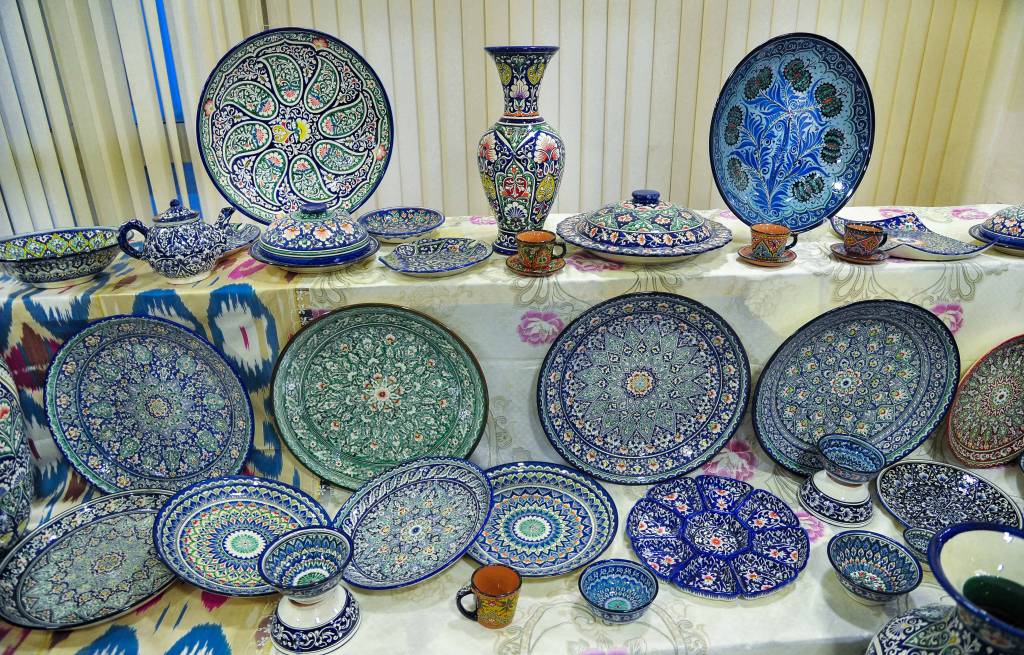
Perhaps every Uzbek family has national dishes with the most recognizable pakhtagul (cotton flower) painting. The corporate image accompanying teapots, bowls, plates, and salad bowls of the Tashkent Porcelain Factory fascinated the townspeople and found a place on the shelves of the neighboring countries.
The Uzbek table is impossible to imagine without a beloved national symbol. Therefore, the demand for this dish with a pattern of blooming cotton is high in the domestic market. I am glad that today it is produced not only in the capital, but also in Rishtan district of Fergana region.
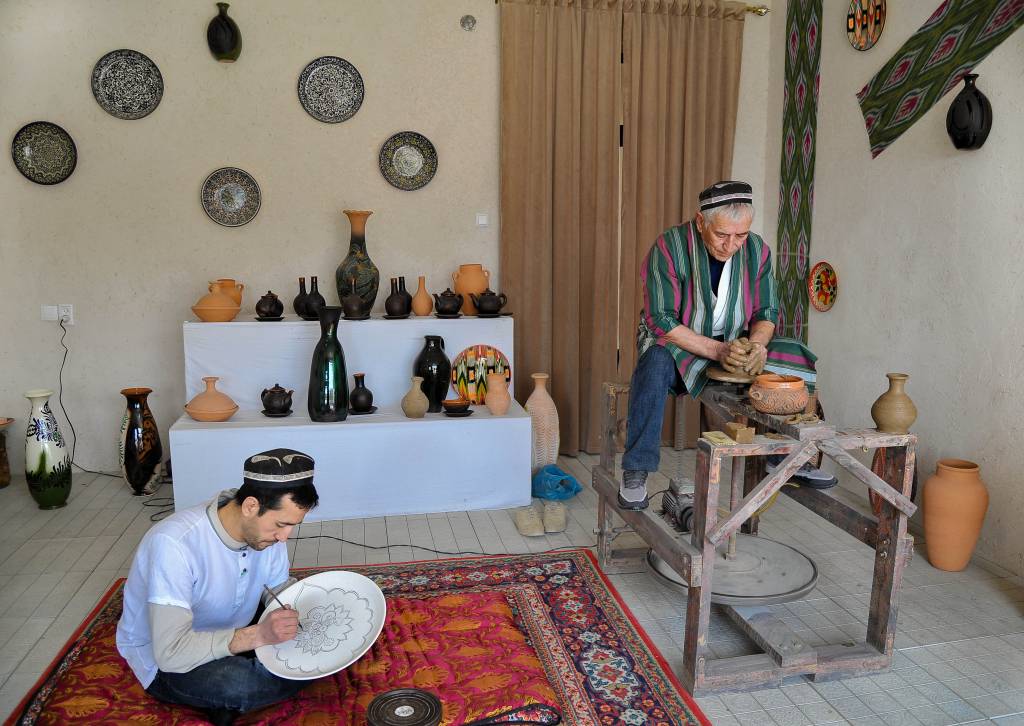
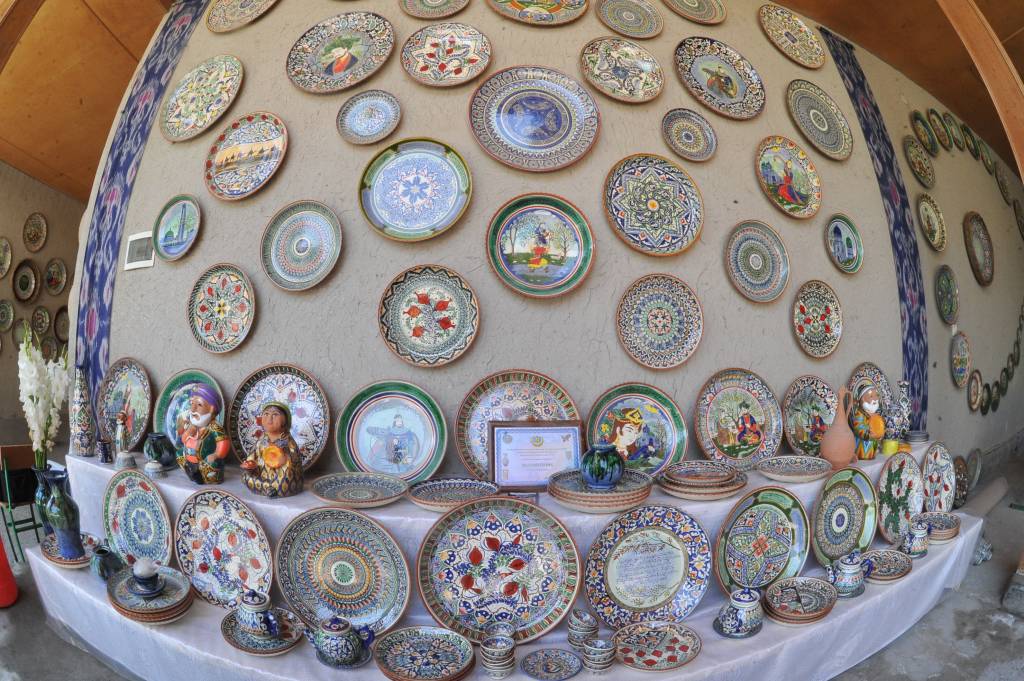
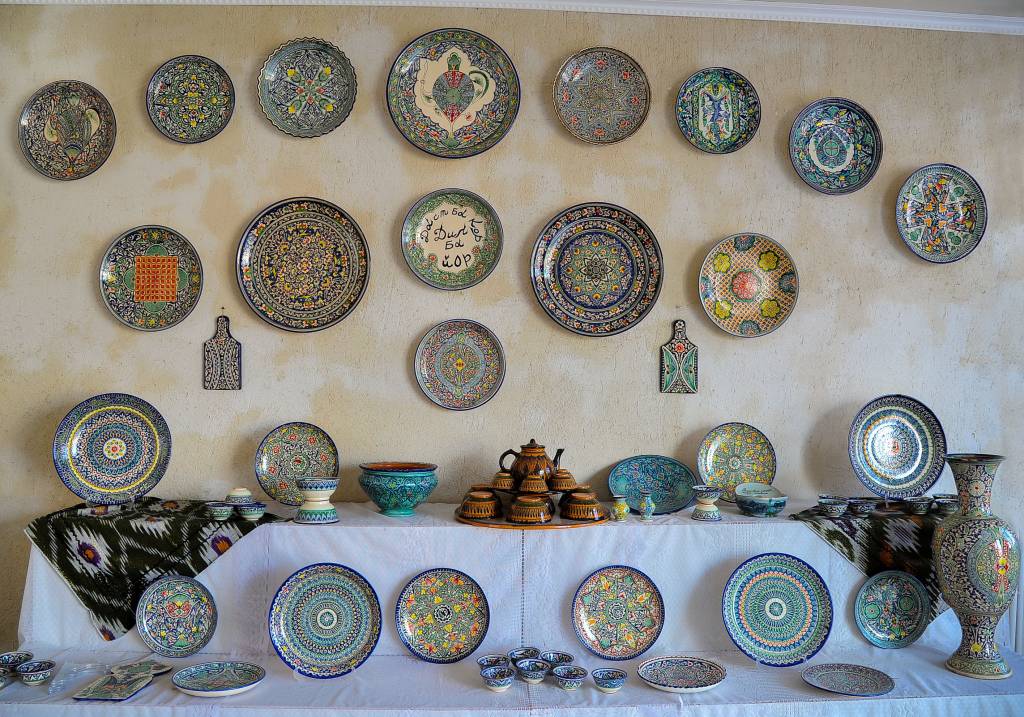
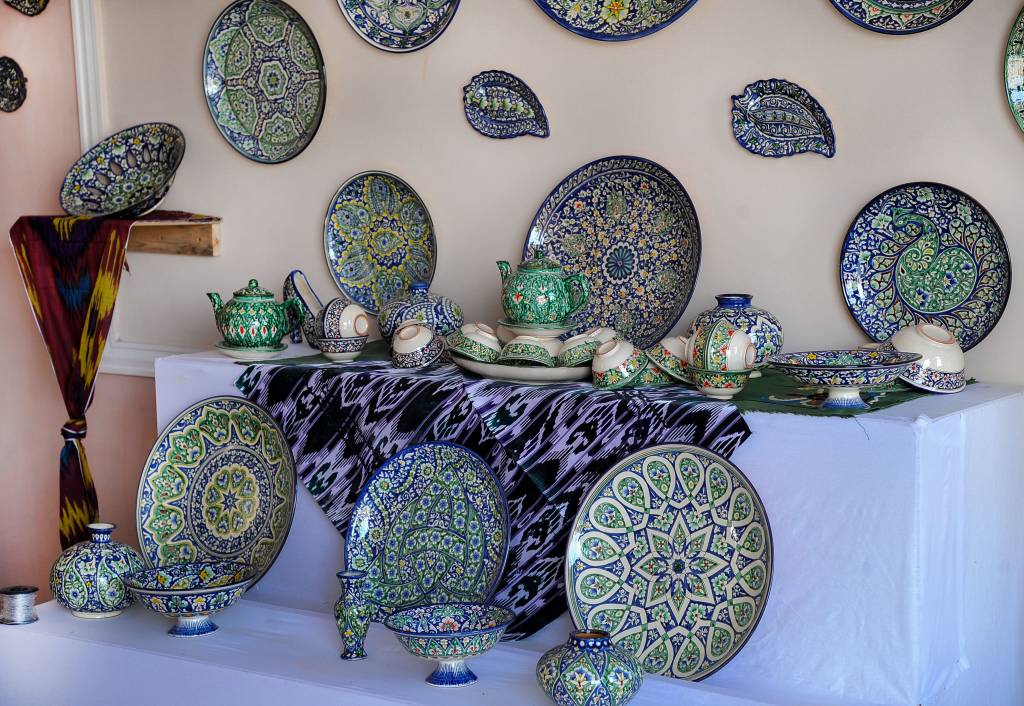
As part of the ongoing measures, the popularity of Rishtan ceramics is growing in Uzbekistan, Central Asia, and the CIS. Bilateral ties with artisans and entrepreneurs from the United States, Japan, Italy, and Türkiye are being strengthened yearly. Today, Rishtan has a worthy place in the domestic and foreign markets thanks to ceramic products and porcelain. Dozens of enterprises for the manufacture of ceramic products in the national style serve as an essential factor in recognizing the “Uzbek brand”, which arouses the interest of tourists in this type of art. Pottery plays an essential role in creating jobs, improving the population’s welfare, and expanding the export potential in the region.
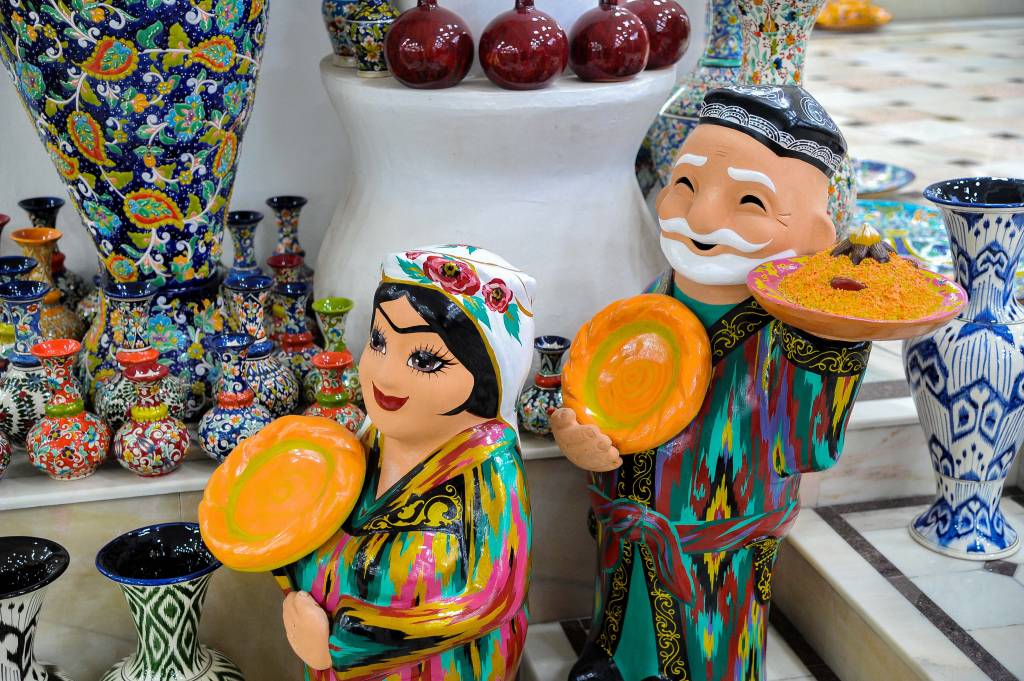
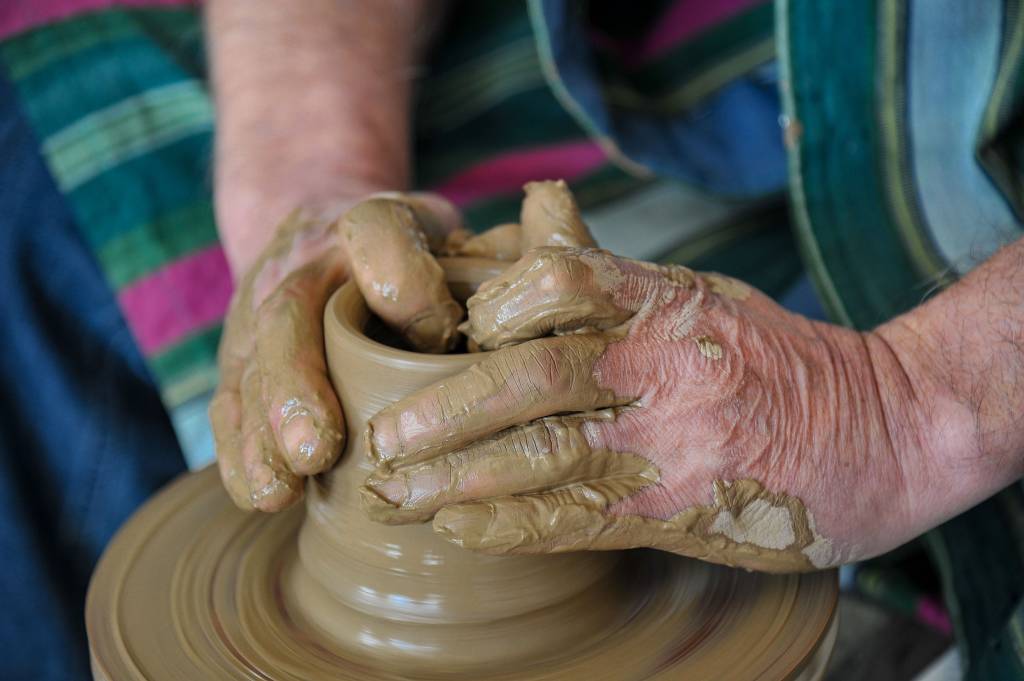
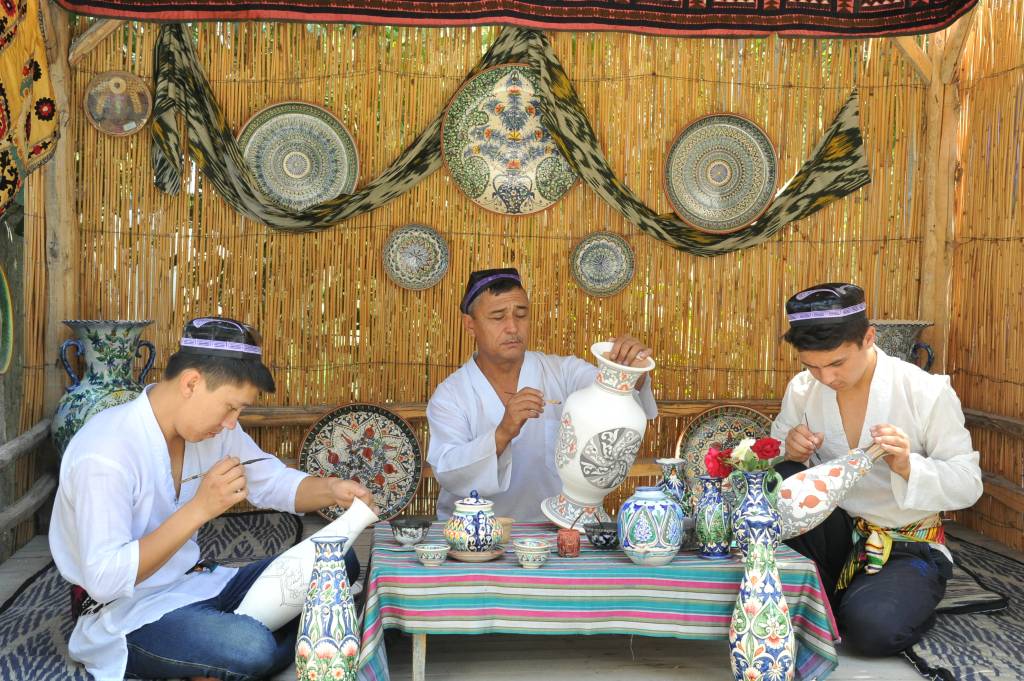
– The manufacturing process of our products consists of several stages: machinery and manual labor. The cotton pattern is applied by hand, – notes manager Nodira Qodirova. – A beautiful ornament with juicy colors is popular among tourists. Foreign guests find our bowls and plates for serving national dishes exciting and original. The Rishtan ceramic school, which is very popular, has sufficient experience in manufacturing porcelain products. In the success achieved in this direction, the NBU has significantly contributed. With its financial support, production volumes are growing, and the range of manufactured products is expanding.
UzA