
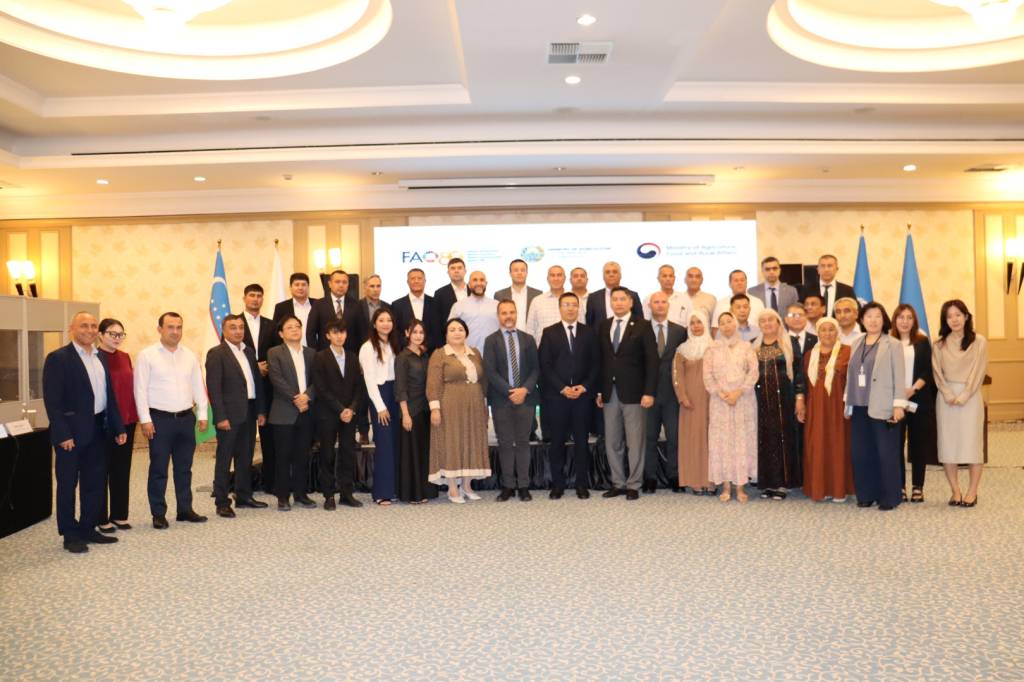
Uzbekistan took a bold step toward the future of climate-smart agriculture with the Final National Workshop of the “Smart Farming for the Future Generation” project, jointly implemented by the Food and Agriculture Organization of the United Nations (FAO) and the Ministry of Agriculture, with the support of the Government of the Republic of Korea.
Since 2020, the project has been a game-changer in advancing sustainable greenhouse vegetable production in Uzbekistan. More than 60 household farmers – nearly two-thirds of them rural women – benefited directly from improved greenhouse infrastructure, access to high-quality seedlings, drip irrigation systems, and tailored technical support. Over 900 field visits, 32 demonstration sessions, and 12 specialized training modules empowered more than 300 farmers, rural households, youth, researchers, private sector, and value chain actors to embrace innovative technologies.
The impact is striking: participating farmers reported productivity increases of up to 76 percent, while household incomes rose by as much as 159 percent. Pest and disease damage in the greenhouses dropped sharply, thanks to integrated pest management practices and climate-smart techniques. Bumblebee pollination, fertigation systems, digital monitoring tools, and advanced post-harvest methods became everyday realities for greenhouse producers who once relied on outdated practices.
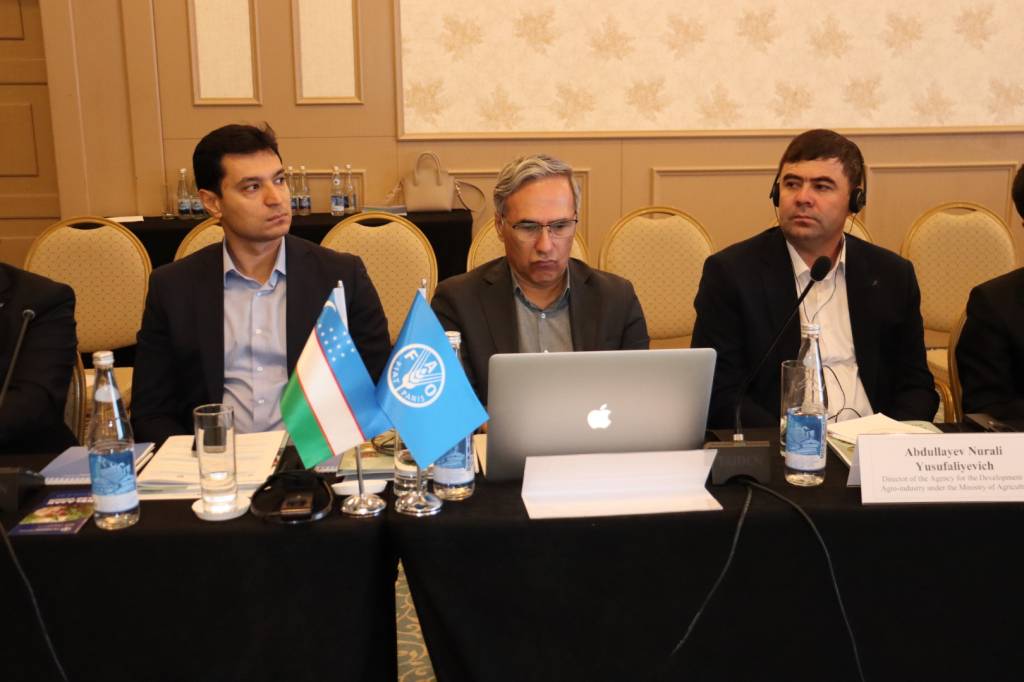
A highlight of the workshop was the official presentation of Uzbekistan’s National Strategy for the Development of Small-Scale Greenhouses. This landmark policy document outlines a roadmap to expand protected cultivation nationwide, prioritizing climate resilience, accessible finance, and opportunities for women and youth in farming.
“Smart farming is no longer a distant aspiration – it is happening here and now in Uzbekistan”, said Mr. Jamshidjon Abduzukhurov, Deputy Minister of Agriculture. “This project proves that with the right technologies, partnerships, integrated approach, and vision, we can boost productivity, protect our environment, and secure better livelihoods for rural families”.
The workshop concluded with a field visit to the Model Demonstration Greenhouse at the Research Institute of Vegetables, Melons and Potatoes in Tashkent region. Participants observed firsthand how digital tools, modern irrigation systems, and pollination systems are transforming greenhouse farming into a profitable and climate-resilient enterprise.
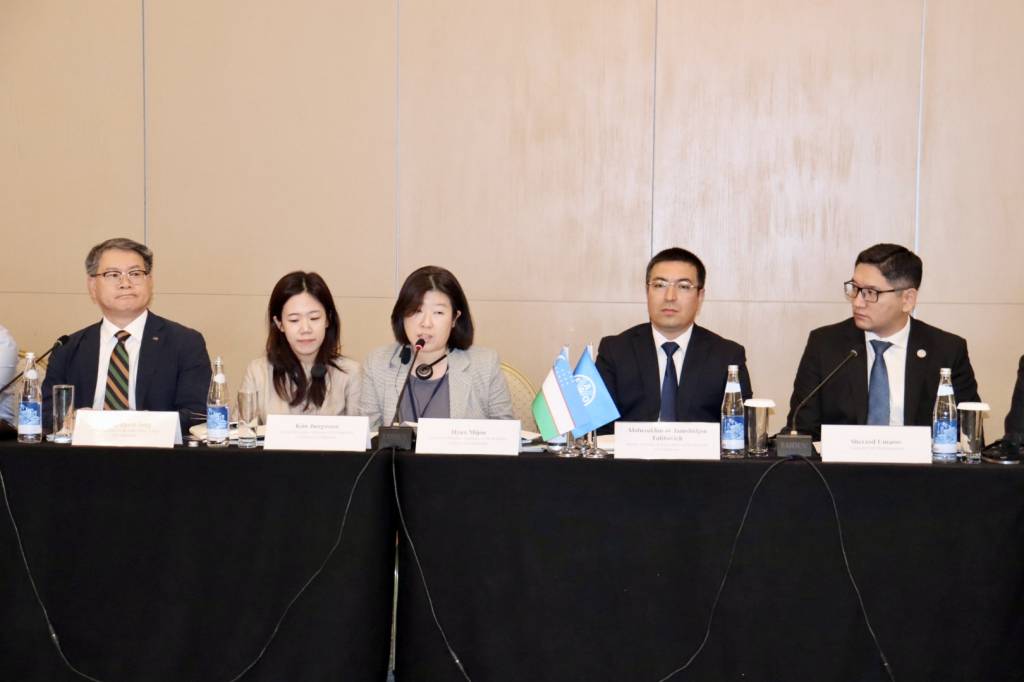
“The project team and beneficiaries played a pivotal role in delivering tangible outputs, which are now set to be replicated and scaled up through the ADB-funded initiative in Bakhmal district, Uzbekistan. Moreover, the valuable lessons learned from the Uzbekistan experience will inform and strengthen the implementation of upcoming FAO projects in Zambia, Honduras, and Lesotho”, said Mr. Leone Magliocchetti Lombi, Lead Technical Officer of the project.
With this milestone, Uzbekistan signals its readiness to embark on a new era of sustainable transformation in agrifood systems – one where innovation, partnership, and smart farming pave the way forward.
UzA