

The state visit of the President of the Republic of Uzbekistan, Shavkat Mirziyoyev, to the Islamic Republic of Pakistan will be a significant milestone in the country’s long-term foreign policy strategy aimed at strengthening ties between Central and South Asia.
The visit aims to bring cooperation between the two countries to a qualitatively new level, deepen mutually beneficial partnerships in the economy, social sphere, transport, and energy, and achieve concrete results that contribute to sustainable development by ensuring regional security.
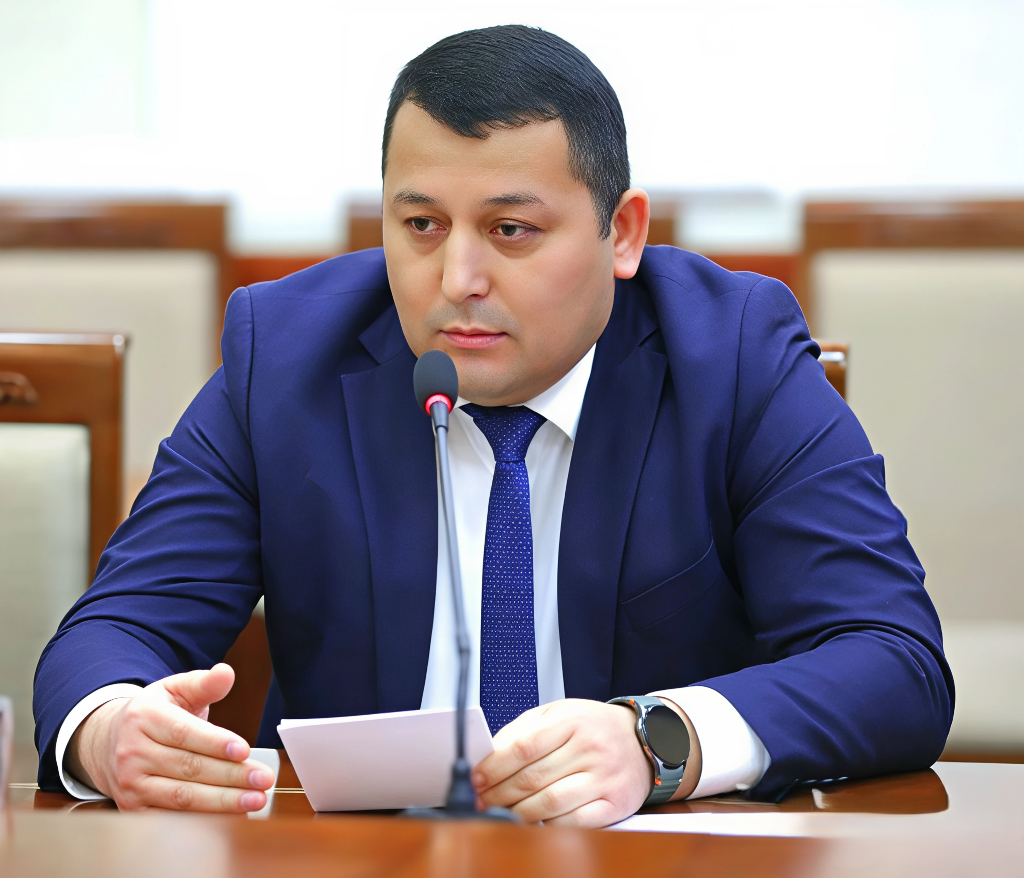
UzA correspondent interviewed the Director of the Centre for Sustainable Development, Elyorjon Saminov, about the prospects for this cooperation and the expected results.
– The global economy and the system of international relations are undergoing deep transformation processes, – says Elyorjon Saminov. – Issues of energy security and food supply are coming to the fore, and climate change is becoming a global challenge requiring joint efforts by states. The World Bank estimates that global logistics costs have increased by an average of 25-30 percent over the past five years, and searching for new transport routes for countries with limited access to the sea is a strategic necessity.
In such circumstances, Uzbekistan, whose foreign policy is based on the principles of openness, pragmatism, and mutual benefit, places strengthening ties with neighboring and close regions as a strategic priority.
As President Shavkat Mirziyoyev emphasized, the main goal of the country’s foreign policy is to create a peaceful, stable, and economically interconnected space around Uzbekistan. Pakistan occupies a key place in this strategic logical chain. Due to its geographical location, large domestic market, and port infrastructure, it is becoming a reliable partner for Uzbekistan in accessing South Asia.
The political basis of relations between Uzbekistan and Pakistan is mutual respect, sovereignty, and non-interference in each other’s internal affairs. These relations are not limited to the interests of the two countries, but are becoming a factor affecting the security of the entire region.
The situation in Afghanistan is one of the key test points for this cooperation. Uzbekistan and Pakistan view the country not as a source of threats, but as a region that can be brought to stability through economic integration. This approach is a pragmatic policy aimed not at isolation, but at development.
Speaking from the rostrum of the United Nations, the President noted that it is impossible to achieve sustainable peace without involving Afghanistan in regional economic processes. This position is entirely consistent with Uzbekistan’s national priority goals of peace, security, and effective institutions.
The trade turnover between Uzbekistan and Pakistan has not yet reached its full potential. However, according to World Bank estimates, if transportation costs are reduced, trade between the two countries could increase threefold. From an economic perspective, Pakistan is not just a new market for Uzbekistan but also a gateway to South Asia’s financial sector. The country, with a population of over 240 million, offers a large consumer market for Uzbekistan’s industry.
Cooperation in the textile, food, agricultural, pharmaceutical, and chemical industries is particularly promising and will create high added value. The organization of joint ventures will create thousands of jobs, increase exports, and enhance technological exchange.
Because, as the Head of State noted, if economic cooperation does not serve to improve people’s wellbeing, it loses all meaning.
One of the main constraints on Uzbekistan’s foreign trade is limited access to seaports, which increases logistics costs and reduces the competitiveness of export products. According to international experts, every dollar invested in transport routes brings an average of four dollars in economic benefits. The implementation of the trans-Afghan railway project will reduce the distance to seaports for Uzbekistan by 30-40 percent and minimize cargo transportation time from several weeks to 12 days. This will increase the competitiveness of Uzbekistan’s exports.
Entering the markets of South Asia and the Indian Ocean through Pakistan’s ports will fundamentally change the situation. With the implementation of the trans-Afghan railway and automobile corridors, cargo delivery times will be reduced, transportation costs will decrease, and Uzbekistan will gain a new economic role as a transit country.
As the President noted, transport and communication strengthen not only economic development but also peace and stability, which once again underscores the strategic importance of this area.
According to the International Energy Agency, energy demand in Central and South Asia will grow by more than 30 percent by 2030 compared with current levels. Therefore, the transition to renewable energy sources is becoming a strategic necessity.
Climate change, declining water resources, and rising energy demand pose similar challenges for Uzbekistan and Pakistan. Regional cooperation is needed to solve them.
In recent years, Uzbekistan has been implementing major green energy projects, and Pakistan has practical experience with solar and wind energy. Joint projects on renewable energy, energy efficiency, and a green economy will strengthen energy security, reduce dependence on imports, and ensure environmental sustainability.
Political agreements and economic treaties are essential, but the main factor of long-term cooperation is the connection between people. According to the United Nations Development Programme, investments in education and human capital account for more than 50 percent of long-term economic growth. Cooperation in education, science, and culture creates a solid human foundation for relations between Uzbekistan and Pakistan. Student exchange, joint scientific research, cultural forums, and increased tourist flow will strengthen mutual trust between the two nations, turning a strategic partnership into a stable relationship independent of political cycles.
The state visit of the President of Uzbekistan to Pakistan is not just a diplomatic event but also a manifestation of strong political will aimed at creating a sustainable, interconnected, and developing space between Central and South Asia. This visit will contribute to achieving Uzbekistan’s national sustainable development goals.
Interviewed by Bekhruz Khudoyberdiyev, UzA