
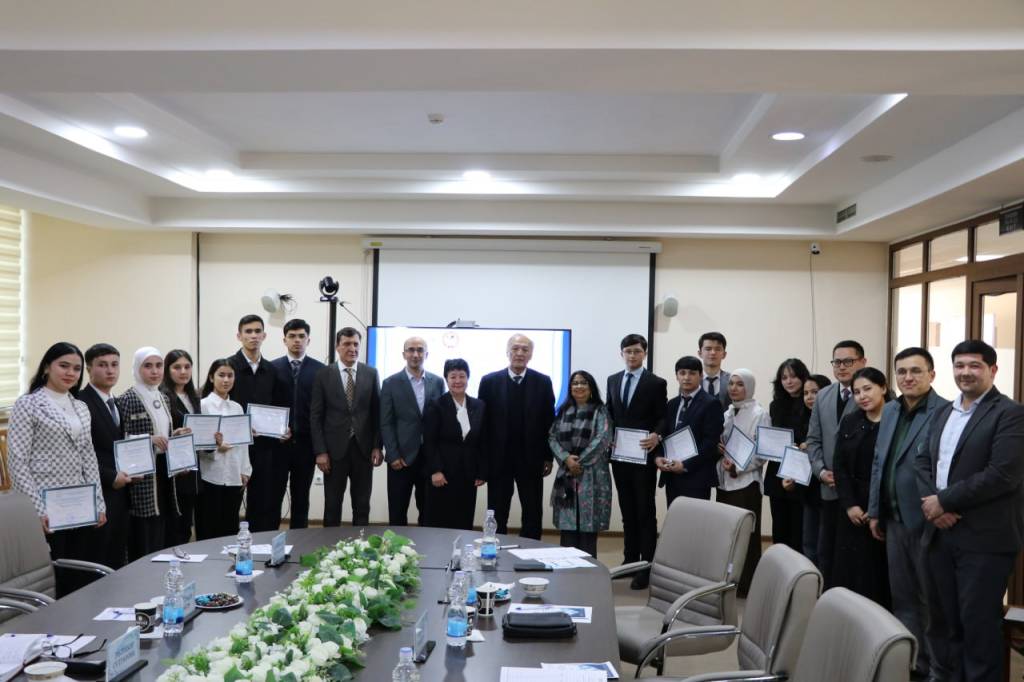
The Public Diplomacy Center of the Shanghai Cooperation Organization in Uzbekistan, established at the initiative of the President of the country, conducts various roundtable discussions, intellectual games, practical sessions, competitions, and cultural events to deepen youth knowledge. At the same time, the institution has established an internship program for students from several higher education institutions.
In particular, in January-February this year, an internship program was successfully organized for students of the International Islamic Academy, the University of World Economy and Diplomacy, Webster University in Tashkent, and the Uzbekistan State University of World Languages in international relations.
To assess the knowledge and skills acquired by students during their internship and to deepen youth perspectives on the activities of public diplomacy and international organizations, the Center, in collaboration with Uzbekistan State University of World Languages, organized a scientific seminar on “Public Diplomacy within International Organizations on the Example of the UN, SCO, CIS, OТS”.
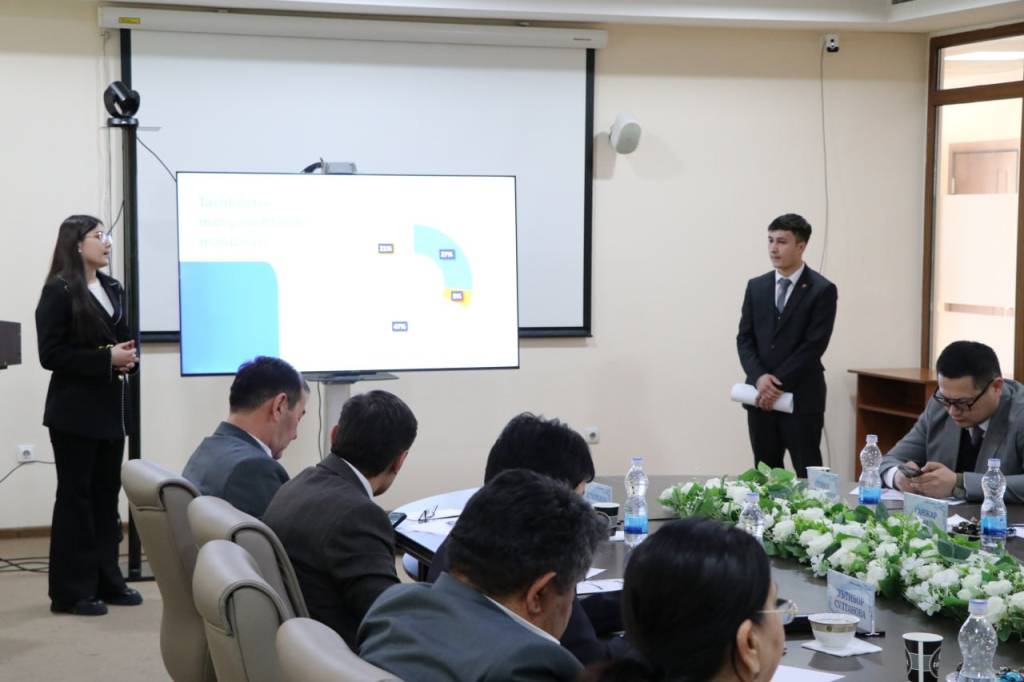

At an event attended by professor-instructors from four higher education institutions, priority areas for developing public diplomacy within international organizations were discussed. Participants exchanged views on the cultural and humanitarian activities of these structures, their role in strengthening dialogue among people, and the mechanisms of cooperation with civil society institutions.
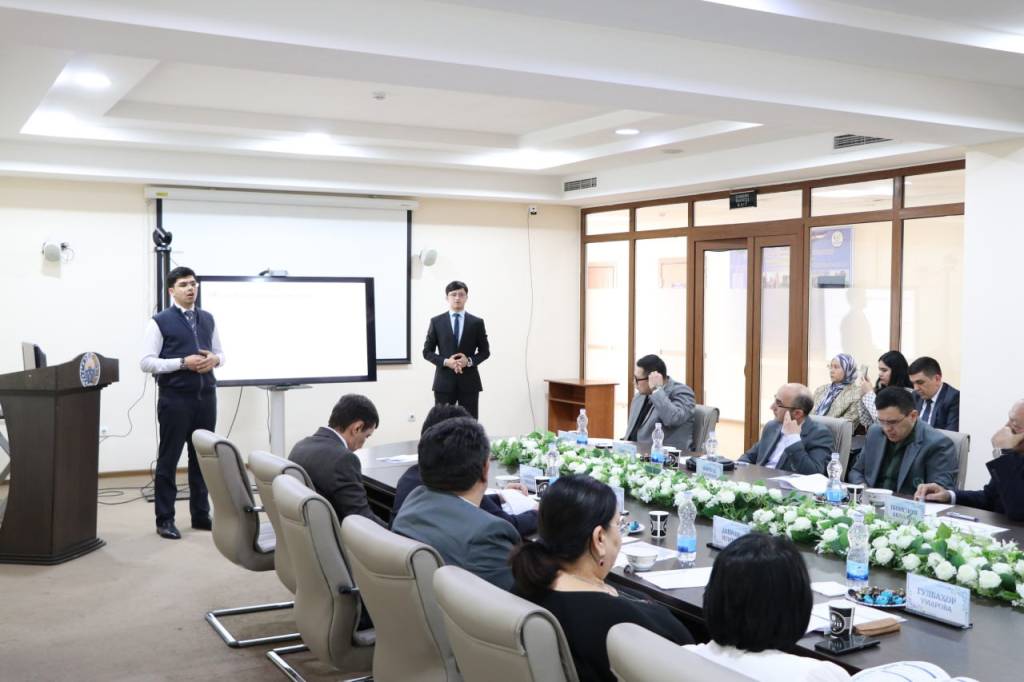

The Director of the Center Qobiljon Sobirov emphasized that public diplomacy, alongside strengthening official dialogue between states, is an essential tool for enhancing cooperation through civil society institutions, culture, and education. He highlighted Uzbekistan’s initiatives to reinforce cultural and social ties with the SCO member states. It was noted that cultural exchange, cooperation in education, and partnership links established through public organizations contribute to accelerating the comprehensive integration processes of Uzbekistan with other states.
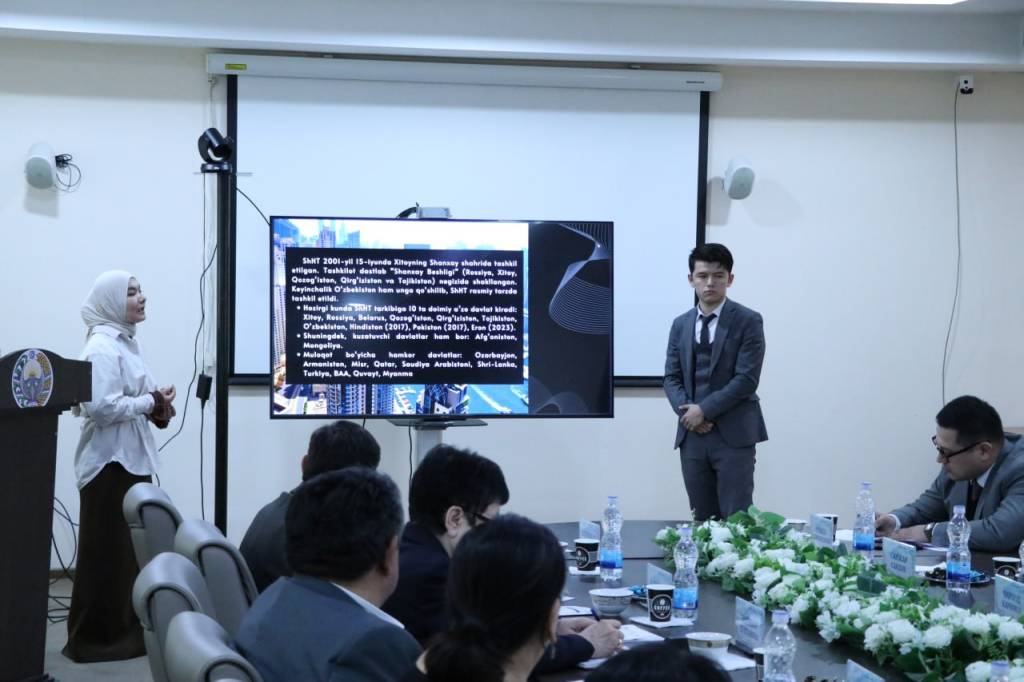
Following the discussions, participants formulated specific proposals and recommendations for the broad involvement of youth in public diplomacy projects implemented within international organizations. It was noted that such events strengthen the youth’s understanding of international processes and increase their interest in the field.
G. Khonnazarov, UzA