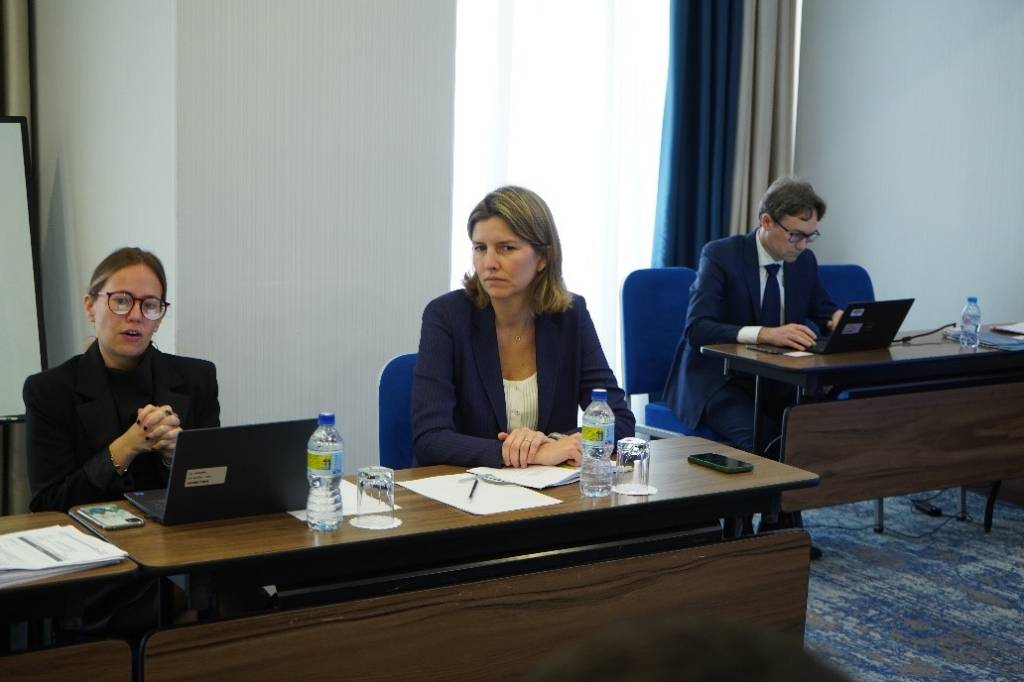
On June 5, 2024, a significant step toward enhancing public integrity and managing conflicts of interest took place under the Good Governance Programme, implemented by GIZ on behalf of the Federal Ministry for Economic Cooperation and Development.
This initiative organized a peer learning exchange meeting, bringing together representatives from the OECD, the High Authority for the Transparency of Public Life of France, and the anti-corruption agency of the Republic of Uzbekistan.
The meeting was a crucial platform to discuss OECD standards on conflicts of interest and asset declarations. The OECD representatives shared their extensive experience, highlighting how these standards differ from other anti-corruption frameworks. They emphasized that conflicts of interest are not inherently corrupt but require effective management systems to prevent corruption.
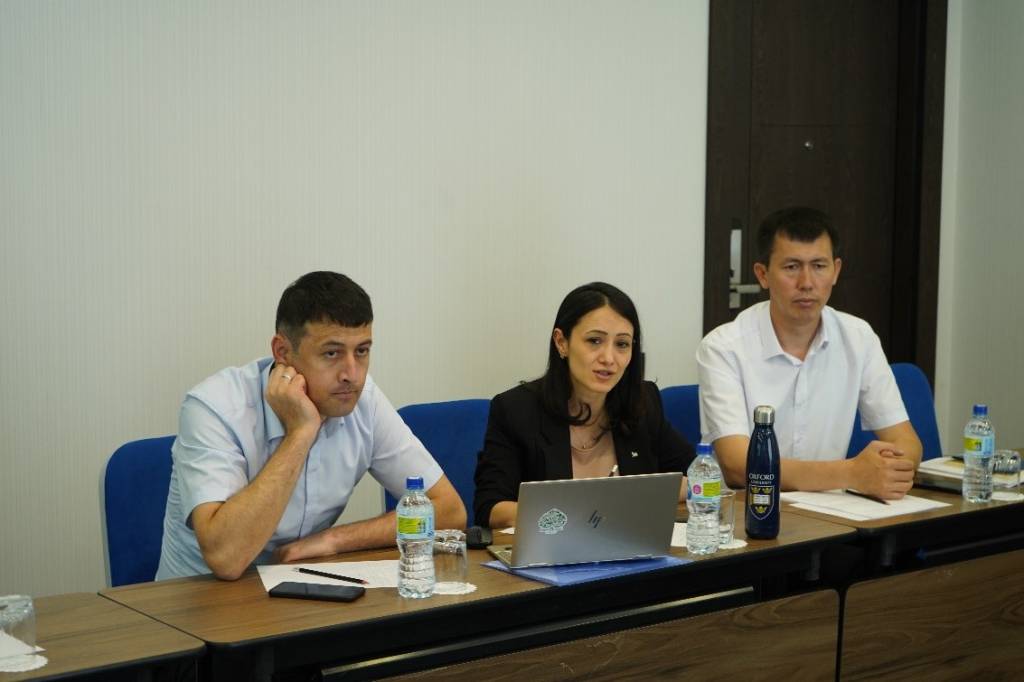
Representatives of the Anti-Corruption Agency of the Republic of Uzbekistan actively participated, providing feedback on their current processes and proposing improvements. They highlighted the ongoing efforts and challenges in Uzbekistan's anti-corruption framework, underscoring the importance of international cooperation and knowledge sharing.
The OECD’s approach involves not just legislative evaluation but also offering practical support through policy dialogue, comparative analysis, and tailored recommendations. This meeting marked a significant step in refining conflict of interest management and asset declaration processes in Uzbekistan, showcasing a collaborative effort to foster transparency and integrity in public life.
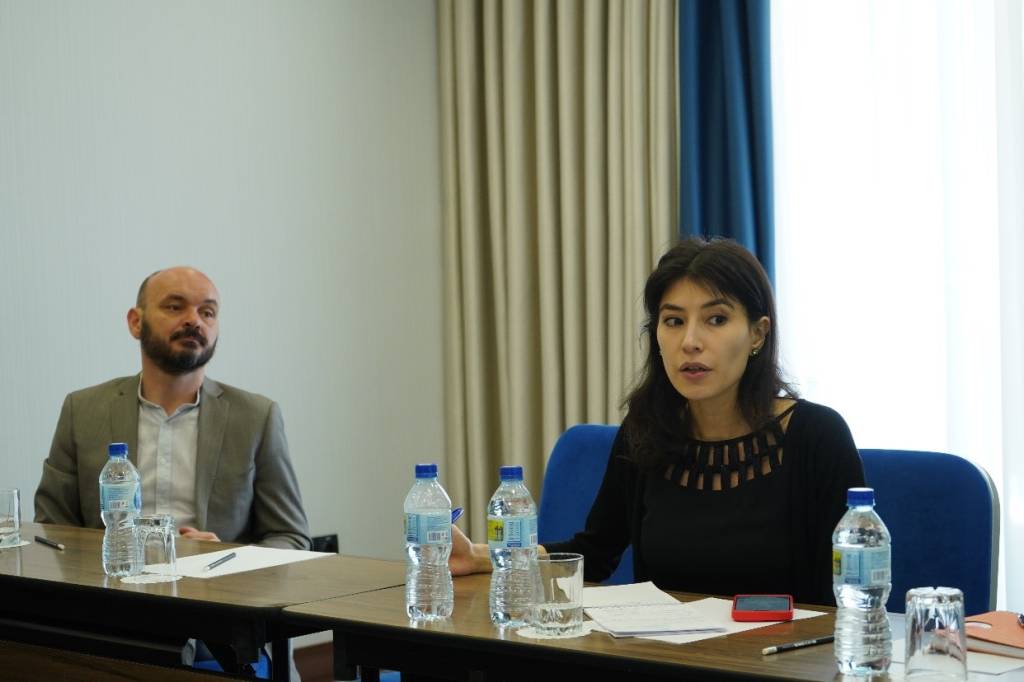
Marie Lintzer, Head of International Partnerships at the High Authority for the Transparency of Public Life of France, reviewed the conflict of interest management system and shared insights from France.
She highlighted the importance of preventing conflicts of interest by monitoring declarations submitted at the start of mandates, which helps identify risky situations and request preventive measures. This ensures public action impartiality, protects citizens’ trust in public administration, and safeguards officials from criminal offenses and accusations of partiality.
Ms. Lintzer defined conflicts of interest using three criteria: interest (private or public, direct or indirect, material or moral, current or past), interference (material, geographical, temporal), and intensity (sufficient to influence the position's impartiality).
To resolve conflicts of interest, officials should disclose the interest to their supervisor and ethical officer committee, recuse themselves from decision-making processes, and organize and communicate the recusal procedure to concerned parties. In cases where recusal is impossible, further measures must be taken to ensure transparency.
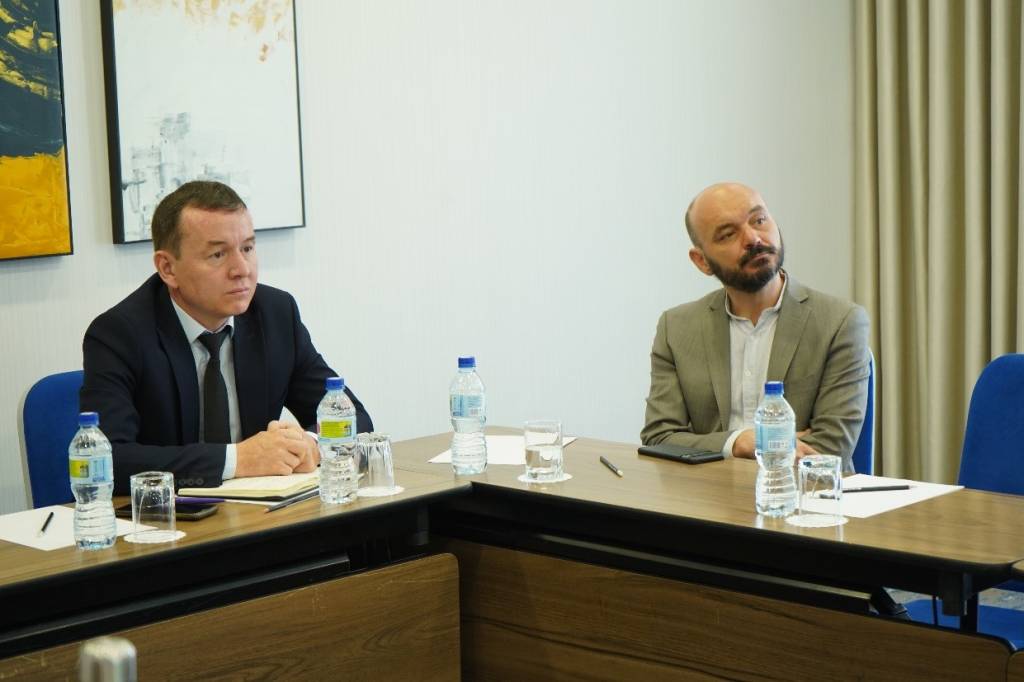
Throughout the discussion, Uzbek representatives actively sought clarifications and provided feedback on their current practices. They recognized the value of France’s approach and considered how similar measures could be adapted to their context. The exchange underscored the necessity of robust frameworks to manage conflicts of interest effectively, reinforcing the commitment to integrity and transparency in public administration.
The meeting concluded with a shared understanding that adopting and adapting these practices could significantly strengthen Uzbekistan's anti-corruption efforts. The collaborative dialogue exemplified the benefits of international cooperation in addressing common governance challenges, paving the way for more transparent and accountable public administration in Uzbekistan.
UzA