
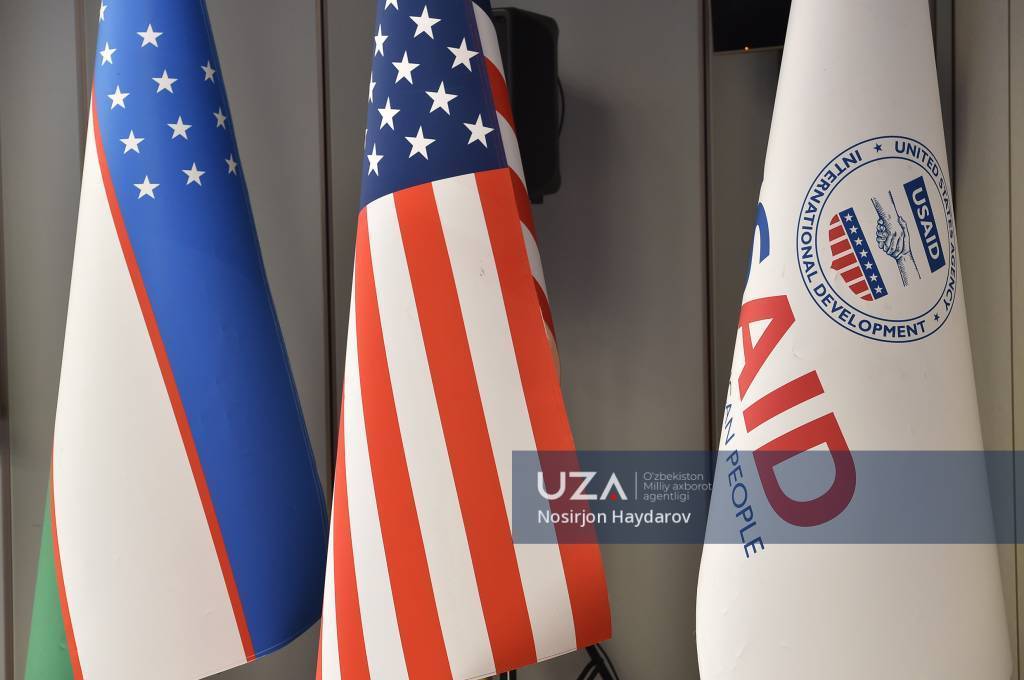
The Center for Pharmaceutical Product Safety under the Ministry of Health of the Republic of Uzbekistan and the Agency for Development of the Pharmaceutical Industry launched USAID’s Diversifying Asia’s Pharmaceutical Supply Chain project.
In this regard, an event was organized in the capital with the participation of the U.S. Ambassador to Uzbekistan and representatives of ministries, agencies, and international organizations.
The two-year project, valued at USD 2.5 million, will strengthen local pharmaceutical regulation and production, enhance local technology and workforce skills, and attract investment in the industry. The Diversifying Asia’s Pharmaceutical Supply Chain project will ensure that Uzbekistan’s medicines meet national and international quality standards.
U.S. Ambassador Jonathan Henick stated, “Through our partnership, we will improve the health of the people of Uzbekistan while also improving the strength and responsiveness of the public and private pharmaceutical sectors. By aligning with global standards, we not only protect patients but also boost trust in local medicines, pharmaceutical companies, pharmacists, and the healthcare system as a whole”.
Another key focus of the Diversifying Asia’s Pharmaceutical Supply Chain project is promoting the production of medicines in Uzbekistan. This sector plays an essential role in the nation’s economic growth. Despite being Central Asia’s most prominent pharmaceutical market, Uzbekistan still heavily relies on imported medicines and raw materials. To change this, the Government of Uzbekistan supports local manufacturing through various means such as import substitution, incentives for manufacturers, and robust quality control regulations.
Currently, over 220 private pharmaceutical companies operate in Uzbekistan, producing around 45% of the country’s medicines. The government has set an ambitious goal of increasing this to 80% by 2026.
USAID’s Diversifying Asia’s Pharmaceutical Supply Chain project plays a vital role in achieving this target by meeting domestic demand and facilitating the export of medicines abroad.
[gallery-17613]
Guzal Sattorova, photos by Nosirjon Khaydarov, UzA