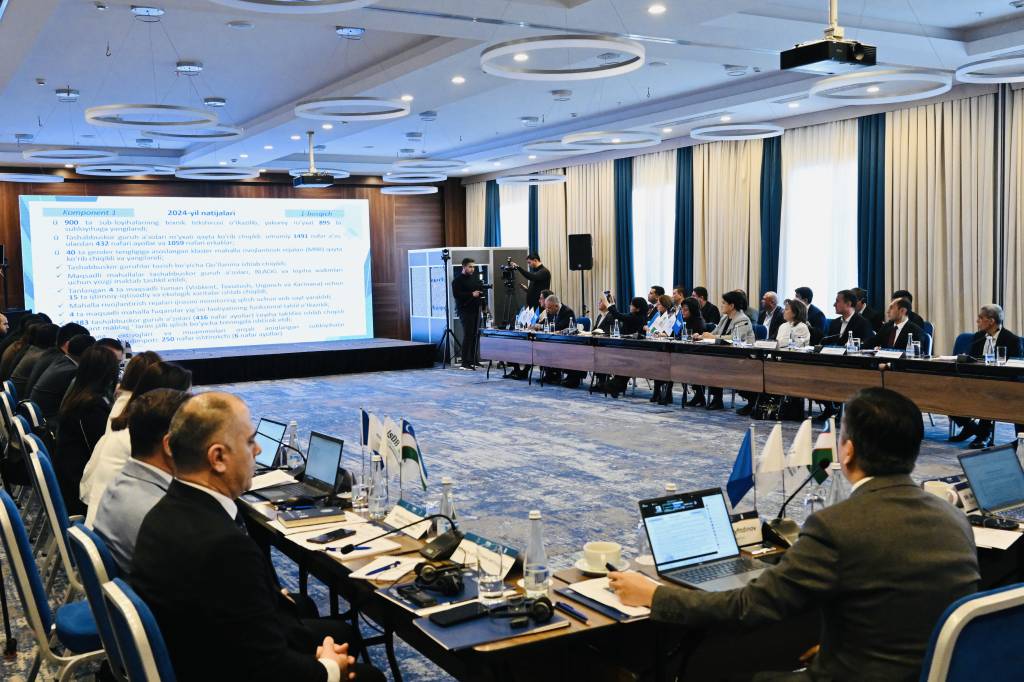
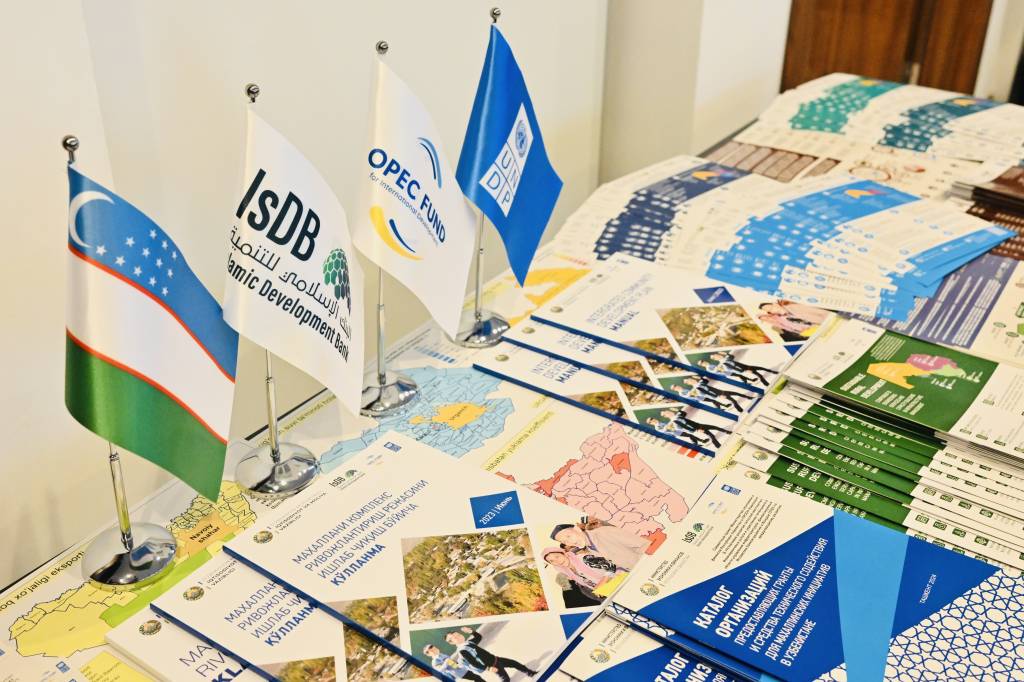
On December 10, 2024, stakeholders discussed in Tashkent the progress of an initiative that is transforming the rural people’s lives during the 5th meeting of the joint projects of the Ministry of Economy and Finance and UNDP, “Sustainable Rural Development” and “Integrated Rural Development”, funded by the Islamic Development Bank and the OPEC Fund for International Development.
These projects provide a real opportunity for remote rural residents to access essential services such as improved electricity and water supply, repaired roads, and quality healthcare and education. Looking back on this year’s achievements, the projects improve the quality of life in rural areas, shaping a brighter future.
The meeting brought together representatives of ministries and agencies, local authorities, and international partners to discuss the results of 2024 and outline plans for 2025.
As the Deputy Minister of Economy and Finance Samandar Sadullayev noted, “Improving the quality of life in rural areas is one of the priority areas of our country’s development. This is one of our best projects, bringing real benefits to healthcare and education and contributing to the sustainable development of remote rural regions”.
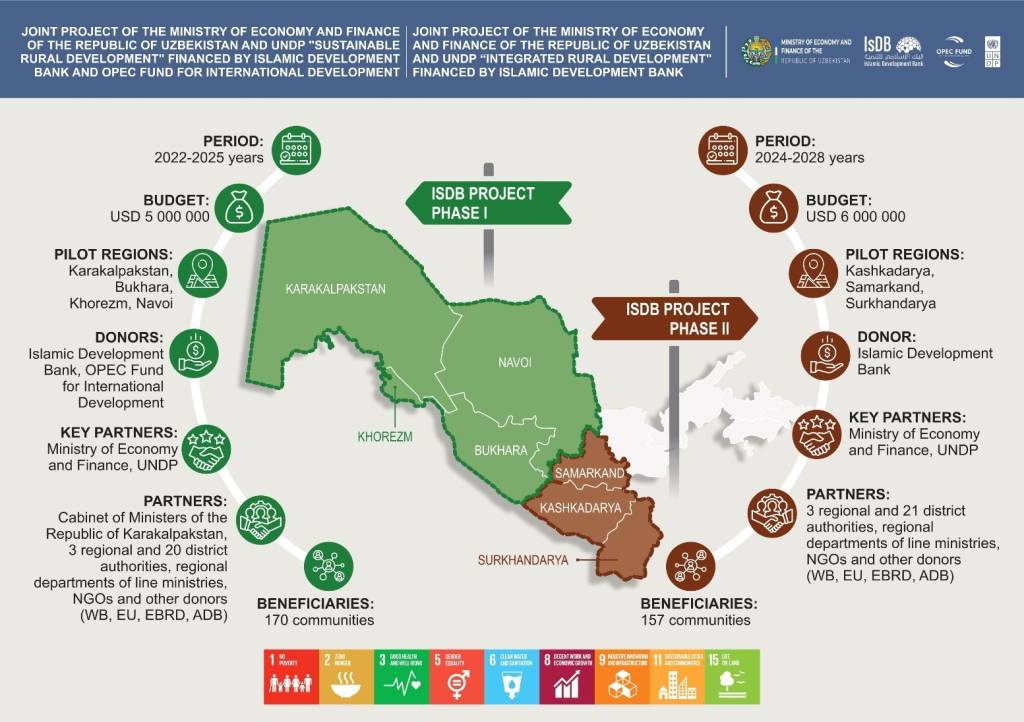
Sustainable Rural Development (I phase)
One of the key achievements of the past year was the development of 40 cluster Community Development Plans (CDPs) with active participation of local residents. These plans are not just lists of ideas, but real roadmaps for implementing 895 subprojects that will restore and build new social infrastructure in the rural areas of Karakalpakstan, Bukhara, Navoi, and Khorezm regions.
From paved roads and improved sewage systems to upgraded healthcare facilities and schools, each subproject reflects the needs and dreams of the rural people who were actively involved in the planning process. As part of the project, 170 initiative groups were formed in the mahallas, consisting of 1,491 people, who monitor the project’s implementation progress. Women are actively involved in the process, contributing step by step to achieving gender equality.
The project combines care for people and the planet through joint efforts. For example, propane air conditioners were installed in rural medical points in the Aral Sea region, significantly reducing carbon dioxide emissions into the atmosphere. Such initiatives are significant for the local population, which is already vulnerable to the challenges posed by climate change. The project also organized training sessions for local specialists on air conditioning systems maintenance, enabling participants to approach the everyday use of household appliances with greater awareness.
Over the past year, 12 different training sessions were held to enhance the potential of the rural population in areas such as agriculture, energy-efficient design and construction, climate change, e-commerce, accessing government services online, and much more. A total of 1,852 people participated in these training sessions.
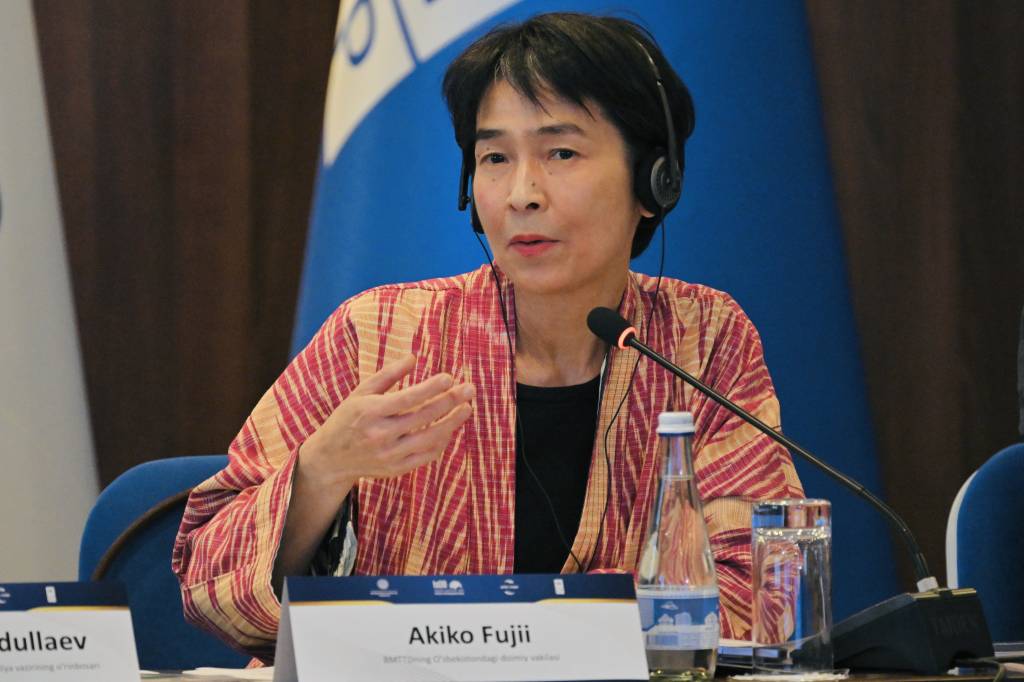
As Akiko Fujii, UNDP Resident Representative in Uzbekistan, noted, “The project maximizes the potential of digital transformation of rural communities. Thanks to the project, 54,190 residents gained digital access to government services. Furthermore, 8 rural schools were provided with new IT resources, including 128 computers and interactive smart boards, unlocking new opportunities for the younger generation”.
Integrated Rural Development (II phase)
A significant milestone in 2024 was the launch of the second project, which covers 157 mahallas across 21 districts in Samarkand, Kashkadarya and Surkhandarya regions. The ambitious goals and objectives aimed at improving the life quality of the rural population are set to be achieved by 2028.
A series of important events took place in a short period, laying a strong foundation for new changes. Training sessions were conducted in 157 communities across three pilot regions to engage residents in the project’s implementation process, enabling them to participate actively in decision-making for developing their mahallas. 11,000 people, including 4,413 women, gathered to discuss how they could improve their lives. These meetings went beyond just exchanging ideas – they were a moment for making decisions about transforming the mahallas, based on the needs and priorities of the population. As a result, 157 initiative groups were formed, consisting of farmers, youth, and entrepreneurs, including 345 women and 15 people with disabilities, highlighting the project’s inclusive approach. The groups will monitor the implementation of subprojects serving as real drivers of future transformations.
After that, visual and technical verifications were made on the proposed facilities, confirming 780 subprojects for inclusion in the CDPs. Every detail was discussed in meetings with local authorities and representatives from ministries and agencies, and each step was carefully considered and coordinated. The outcome of these joint efforts was the development of 41 CDPs, which focused on gender equality and environmental sustainability. These key documents reflect the dreams and goals of the residents who became part of this large-scale process.

UzA