
The discussion of the draft Uzbekistan 2030 Strategy continues.
The document outlines several key social-sector goals. In particular, it envisages introducing 100 percent alternative forms of education for children left without parental care, and increasing the share of women lifted out of poverty through the “Women’s Register” program to 70 percent. Objectives have also been set to help women in need acquire professions and stable sources of income by connecting them with entrepreneurs, and to expand opportunities for 100,000 women.
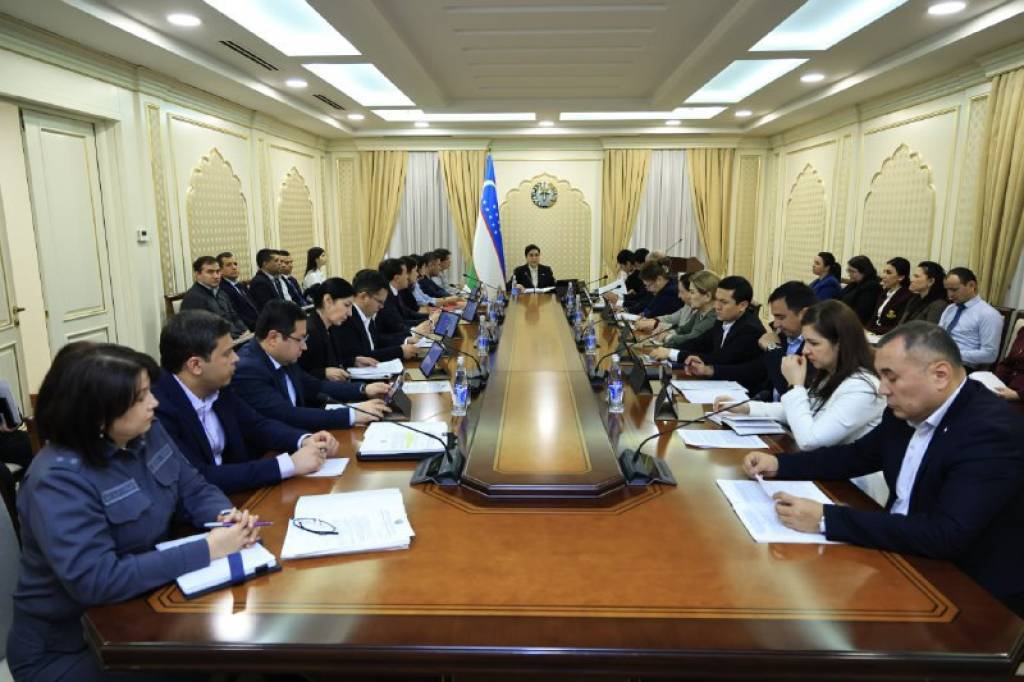
These issues were discussed at a meeting of the Senate Committee on Youth, Women, Culture, and Sports of the Republic of Uzbekistan. It was noted that large-scale plans are also envisaged in the fields of culture and sports. In particular, funding allocated from the state budget for the preservation of cultural heritage sites is set to increase by 30 percent, 2,500 archaeological sites are to be included in the state register, and 1.1 million museum exhibits are to be digitized.
Measures are planned to reduce youth unemployment from 15 percent to 11 percent and to create employment for an additional 400,000 young people by developing the industrial sector by 2030. The results of a parliamentary inquiry addressed to the Cabinet of Ministers of the Republic of Uzbekistan regarding improvements to the system for the collection and payment of alimony for the maintenance of minor children were also discussed.
Some issues remain unresolved. In particular, special attention should be given to improving procedures for recovering alimony from individuals without permanent employment or with undefined income, reclaiming funds paid out by the Alimony Payment Fund from debtors, as well as accession to the Hague Convention on the International Recovery of Child Support and Other Forms of Family Maintenance.
The work carried out under the Strategy for Achieving Gender Equality in the Republic of Uzbekistan through 2030 was analyzed. A total of 15 regulatory legal acts aimed at ensuring equal rights and opportunities for women and men, and improving women’s economic and social status, have been adopted. The share of women in the national personnel reserve has doubled compared to previous years, reaching 27 percent.
Uzbekistan is among the top 20 countries in the Open Gender Data Index. In the Gender Equality and Governance Index, the country improved its position by 51 points, rising from 103rd to 52nd place.
The participants emphasized the need to prioritize support for women in public service, strengthen the capacity of non-governmental non-profit organizations, expand their participation in implementing gender policy, and protect victims of oppression and violence. A detailed discussion was held on the further implementation of proposals submitted to the government to protect women’s rights and interests, and specific tasks were identified.
Norgul Abduraimova, UzA