

Cybercrime is not only the infliction of financial damage using information and communication technologies, but also the organization of cyber-attacks, that is, an attempt to destabilize the situation through virtual influence.
These types of crimes are difficult to expose. Sometimes, detecting cybercrimes committed from false accounts of different countries is impossible.
If a crime is recorded, it must be considered by the court. At the international workshop “Cyber Problems in the Courts” in Tashkent, views on identifying and solving problems in this area are exchanged.
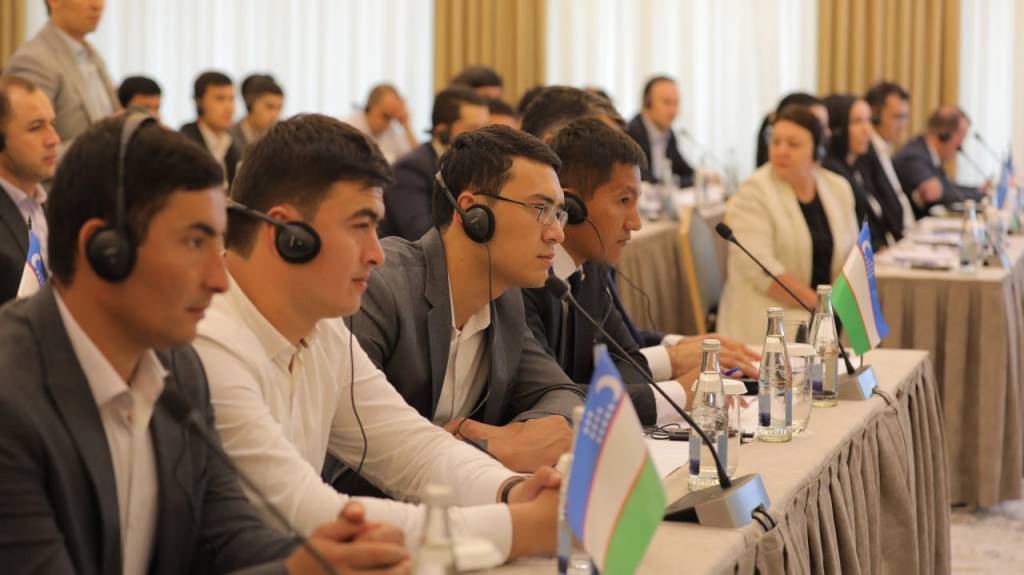
Attention was focused on the fact that the most pressing issues are ensuring cybersecurity, preventing possible cybercrimes, and combating them.
The event, organized by the Supreme Court of the Republic of Uzbekistan and the Non-Governmental Legal Organization “Regional Dialogue” (Slovenia), is attended by judges of the Supreme Court, the city of Tashkent and Tashkent region, and specialists in information and communication technologies.
Deputy Chairman of the Supreme Court Mr. Turakhujayev noted that currently, in the judicial system of Uzbekistan, the issue of cybersecurity is considered one of the most pressing. Uzbekistan needs to study advanced foreign experience in ensuring cybersecurity, which is necessary to establish fair judging and conduct electronic cases.
U.S. Ambassador to Uzbekistan Jonathan Henick and Director of the Regional Dialogue Mjusa Sever noted that this event is helpful for both sides.
During three days, American judges and information technology experts will share their experience in combating threats to information security in courts, the basics of protecting information systems, and using judicial information.
According to the workshop’s agenda, cybersecurity of judicial information, the foundations of the culture of using IT technologies in implementing judicial control, and several other important issues related to the theme will be discussed.
Norgul Abduraimova, UzA