
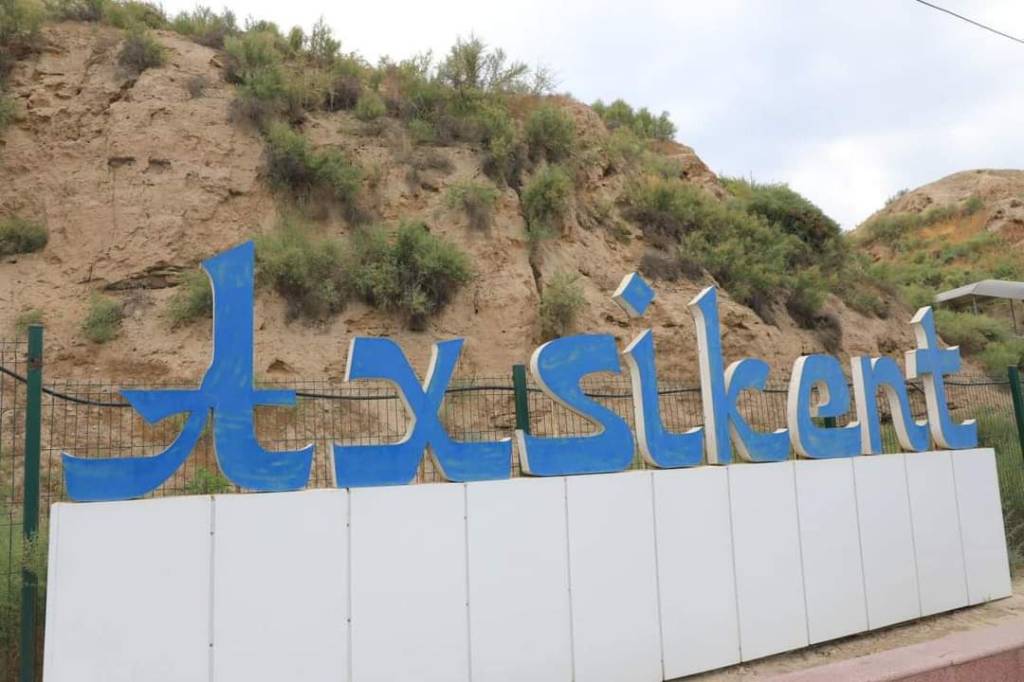
The Akhsikent Archaeological Complex in Turakurgan district of Namangan region will be turned into a major tourist center. To do this, four open-air museums will be built on its territory.
The Akhsikent complex is one of the largest historical sites in Uzbekistan. The effective use of its potential will make it possible to raise the tourism potential of Namangan region and the entire Fergana Valley. According to the project developers, the new museums will increase the number of foreign and local tourists in this region of Uzbekistan several times.
According to the Ministry of Culture and Tourism of the Republic of Uzbekistan, construction work has already begun on four sites discovered and explored by archaeologists as part of the first phase of a special project.
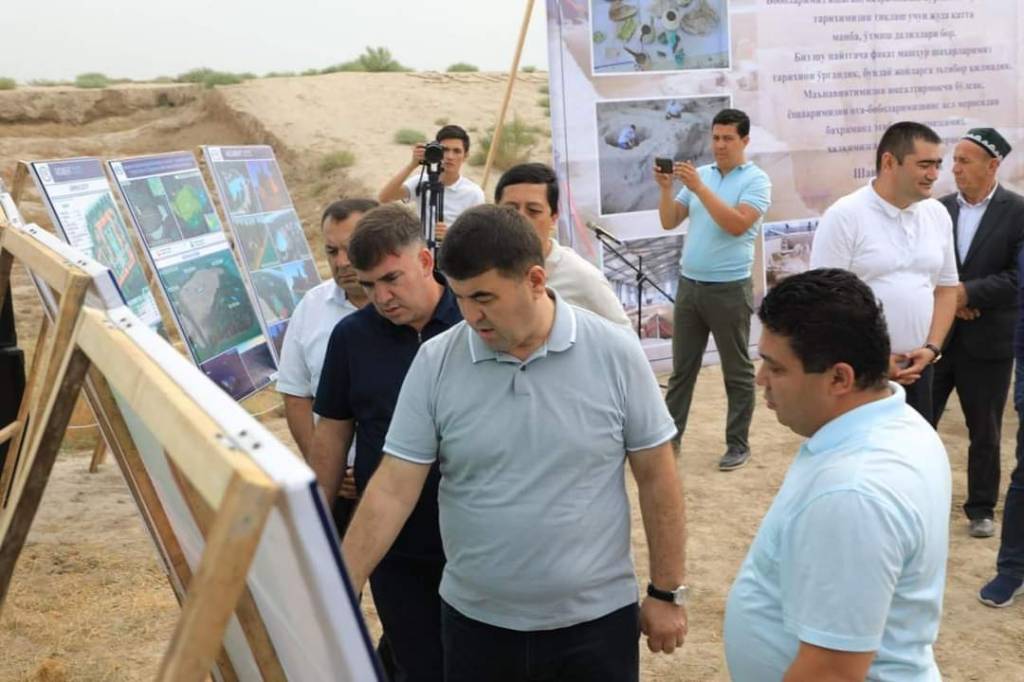
In the next stage, it is planned to build tourist infrastructure facilities. A large recreation area, a craftsmen’s center, a caravanserai, and other tourist facilities will be built here. According to the plan, a large tourist complex will be built along the river connecting the Akhsikent settlement and the Akhsi village.
Akhsikent was founded in the 3rd century BC. In historical sources, particularly in “Baburname”, a lot has been written about the special significance of this city. Since ancient times, there has been an underground irrigation system. The town consisted of inner and outer territories. During its heyday, glass, pottery, blacksmithing, and weaponry developed.
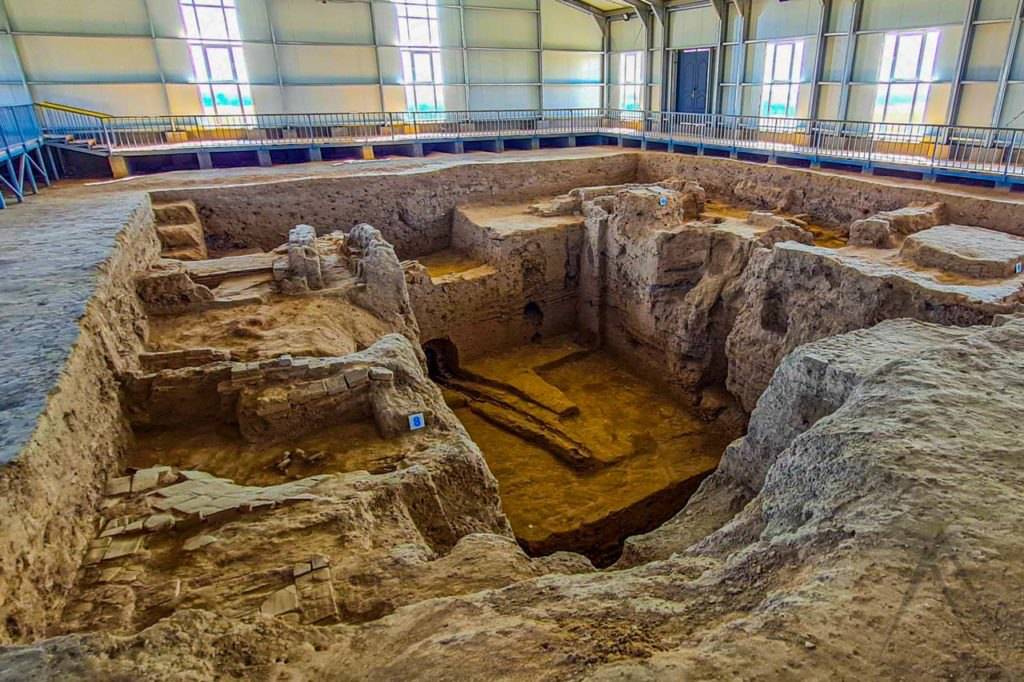
About 100 hectares of the city of Akhsikent have survived to this day. Archaeologists have unearthed a blacksmith’s workshop, the remains of a bathhouse from the 10th-13th centuries, barracks for soldiers, a mosque, defensive walls, underground irrigation networks, a craftsmen’s neighborhood, and a ruler’s residence.
In 2017, much work began on preserving and researching this ancient monument and reconstructing its true history. The state unitary enterprise “Directorate for the Protection and Research of the Archaeological Heritage Site “Akhsikent” was established.
Roman Bondarchuk, UzA