
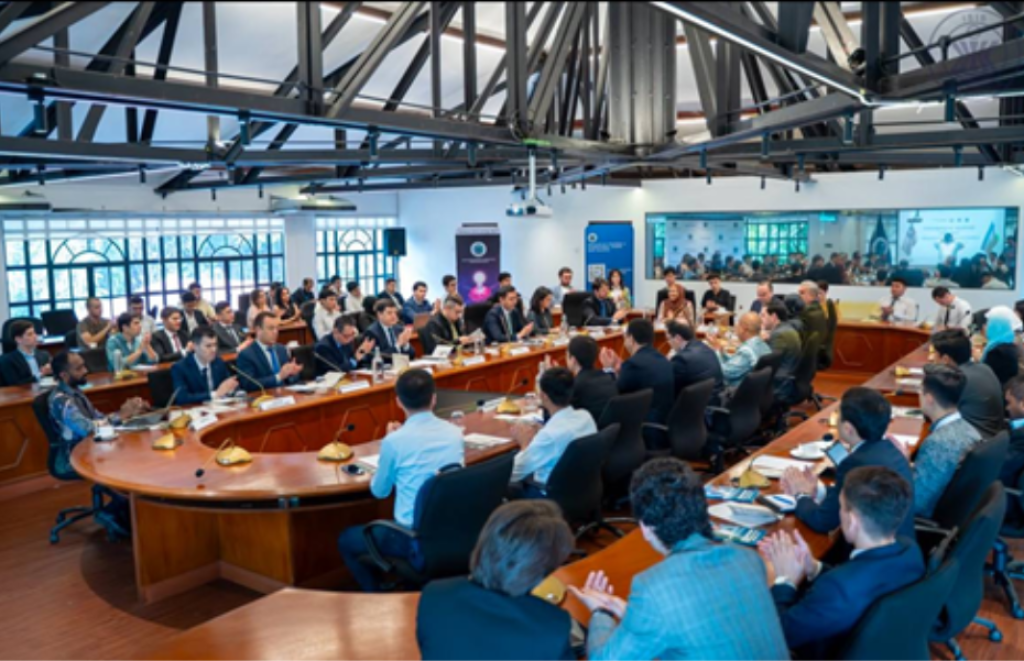
On January 21 this year, in Kuala Lumpur, the delegation of Uzbekistan led by the Director of the Institute for Strategic and Regional Studies under the President of the Republic of Uzbekistan (ISRS) Eldor Aripov took part in a roundtable on “From Dialogue to Action: Uzbekistan and Malaysia on the Path to Strategic Cooperation”.
The event was organized with the assistance of the Embassy of the Republic of Uzbekistan in Kuala Lumpur, jointly with the Institute of Strategic and International Studies of Malaysia (ISIS), which is the country’s leading think tank.
At the roundtable, the Malaysian side was represented by the Friendship Group of the Parliament of Malaysia, the Ministry of Foreign Affairs, the National Institute of Public Administration, the Institute of Diplomacy and Foreign Relations, the Asian Strategy and Leadership Institute, Institute of Islam Hadhari, and the Southeast Asia Regional Centre for Counter-Terrorism.
Experts from the Institute for Macroeconomic and Regional Studies, the Development Strategy Center, the Imam Maturidi International Scientific Research Center, the Ministries of Finance and Economy, Higher Education, Science and Innovation, and Agriculture represented the Uzbek side.
The main agenda of the event was to discuss the current state and prospects for the development of cooperation between Uzbekistan and Malaysia, including issues of strengthening strategic partnership in politics and security, industrial collaboration, innovation, and technology, as well as in education, science, and culture.
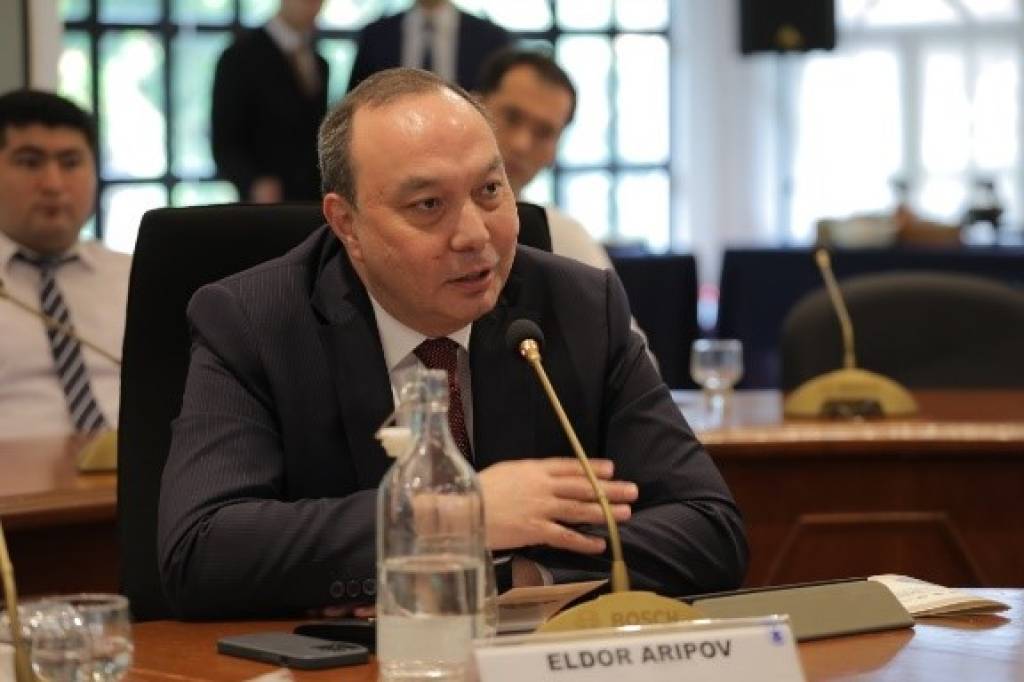
In his welcoming speech, ISRS Director Eldor Aripov emphasized that relations between Uzbekistan and Malaysia are experiencing a new dynamic today.
According to the head of ISRS, trade and investment cooperation is rapidly developing. In recent years, bilateral trade volume has grown 2.5 times, and the number of joint ventures in Uzbekistan with the participation of Malaysian capital has increased to 37.
The head of the delegation expressed his firm belief that the visit of Malaysian Prime Minister Anwar Ibrahim to Uzbekistan in May last year gave a significant impetus to bilateral cooperation. As a result, high results were achieved.
In particular, a Joint Statement on deepening multifaceted cooperation was signed. An agreement was reached to create the Uzbek-Malaysian Industrial Zone in Uzbekistan to promote high-tech projects. Following the Uzbek-Malaysian business forum, a solid package of 19 investment agreements worth over $3 billion was signed.
Eldor Aripov placed special emphasis on expanding cooperation in education and personnel training. Thus, within the framework of the Malaysian Technical Cooperation Program, more than 850 specialists from ministries and agencies of Uzbekistan have improved their qualifications in Malaysia. Today, about 500 Uzbek students are receiving education at prestigious Malaysian universities. 25 cooperation agreements have been signed between the educational institutions of the two countries.
According to the expert, this characterizes the high dynamics of cooperation between Uzbekistan and Malaysia.
At the same time, the potential of bilateral relations has not yet been fully realized. In this context, Eldor Aripov drew attention to the most promising areas of bilateral cooperation.
First, the expert stressed the importance of developing industrial cooperation. According to him, the semiconductor industry of Malaysia, which provides about 25% of the country’s GDP, is of particular interest to Uzbekistan.
In this regard, Malaysia’s best practices in developing the semiconductor industry, including strategic planning, marketing, infrastructure development, and specialist training, can benefit Uzbekistan.
Second, according to the ISRS Director, expanding cooperation in education, mutual academic exchanges, and personnel training seems relevant.
As the specialist specified, about 30 branches of various foreign universities operate in Uzbekistan. The country, acting as an “educational hub” of Central Asia, is interested in establishing cooperation with Malaysian universities in training personnel in energy, Islamic banking, ecology, artificial intelligence, “halal” industry, creative economy, etc.
Third, this is strengthening cooperation in combating religious extremism and terrorism. Today, Malaysia has accumulated unique experience in preventing the spread of religious extremist ideology among the population.
Uzbekistan, in turn, is also carrying out targeted work in this direction. At the initiative of the President of Uzbekistan in May 2024, the Regional Expert Council in Central Asia on Rehabilitation and Reintegration began its work under the auspices of the UN Counter-Terrorism Office. In November and December 2024, presentations of the Council’s activities were organized at the UN headquarters in Geneva and New York.
“Nevertheless, effective combating terrorism requires close coordination not only at the regional but also at the global level. In this context, one of the important areas of our cooperation could be the exchange of experience and best practices in deradicalization and rehabilitation of citizens”, the ISRS Director said.
Fourth, the expert believes creating a dialogue platform in the “Central Asia + ASEAN” format is advisable. Eldor Aripov expressed confidence that interregional cooperation will allow for more effective resolution of trade and investment cooperation issues, industrial collaboration, transport, and logistics, as well as consolidation of positions on current regional and international development issues.
Fifth, the ISRS representative is convinced that today, expert dialogue plays an increasingly important role in strengthening bilateral cooperation. Against this background, it was proposed to consider launching a permanent expert platform between analytical and research centers in Malaysia and Uzbekistan.
“This step will allow us to conduct joint research regularly, organize conferences and roundtables devoted to the most pressing issues of mutual interest, and also provide expert and analytical support for meetings at the highest and high levels”, Eldor Aripov concluded.
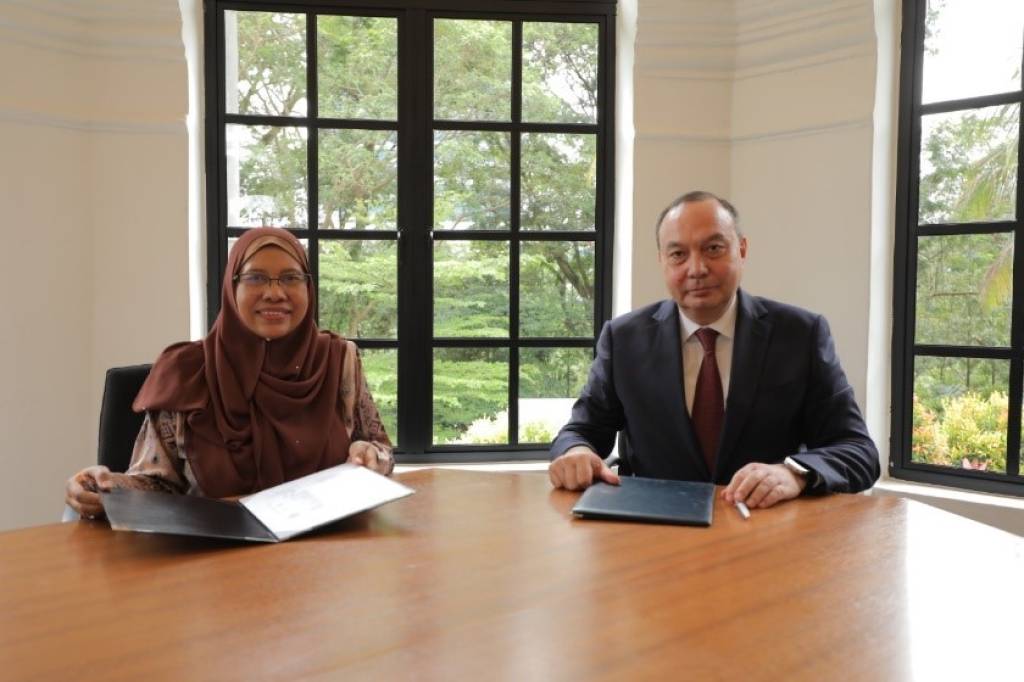
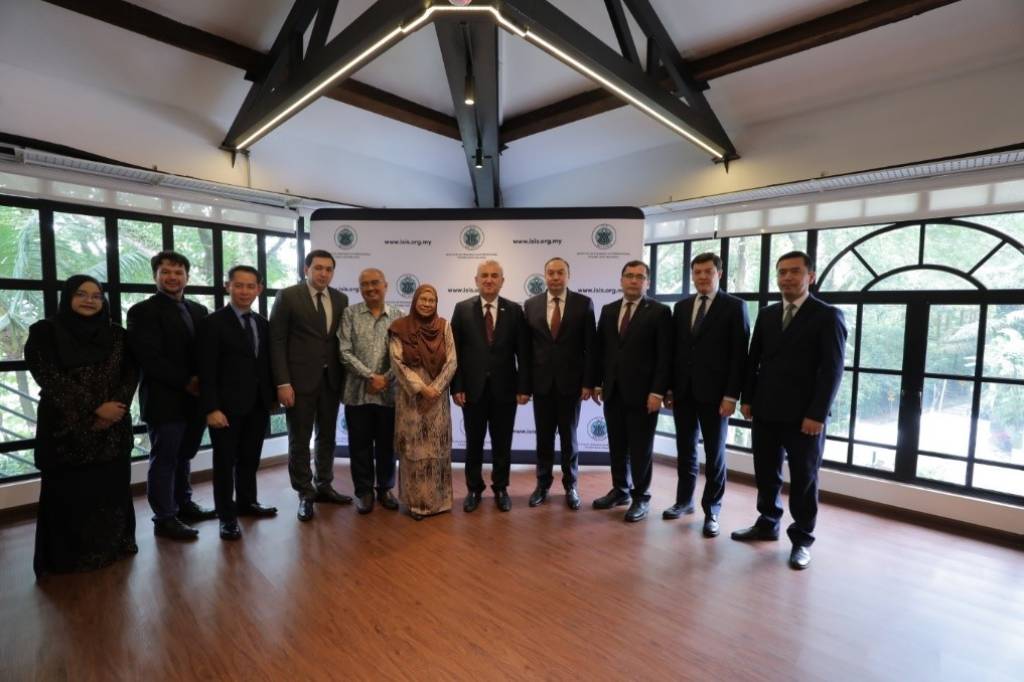
Following the roundtable, a Cooperation Plan for 2025 was signed between ISRS and ISIS, which provides for the establishment of partnership and regular working contacts between the analytical centers of the two countries.
ISIS was founded in April 1983 as an independent non-profit research organization. It conducts research in foreign policy, security, economics, public administration, social policy, technology, innovation, and the environment. It regularly participates in the preparation of conceptual documents of the country. The Institute's experts took part in developing the Vision 2020 strategy of the Master Plan for the Economy initiative, the Malaysia Madani concept. In 2018, a Memorandum was signed between ISRS and ISIS.
UzA