
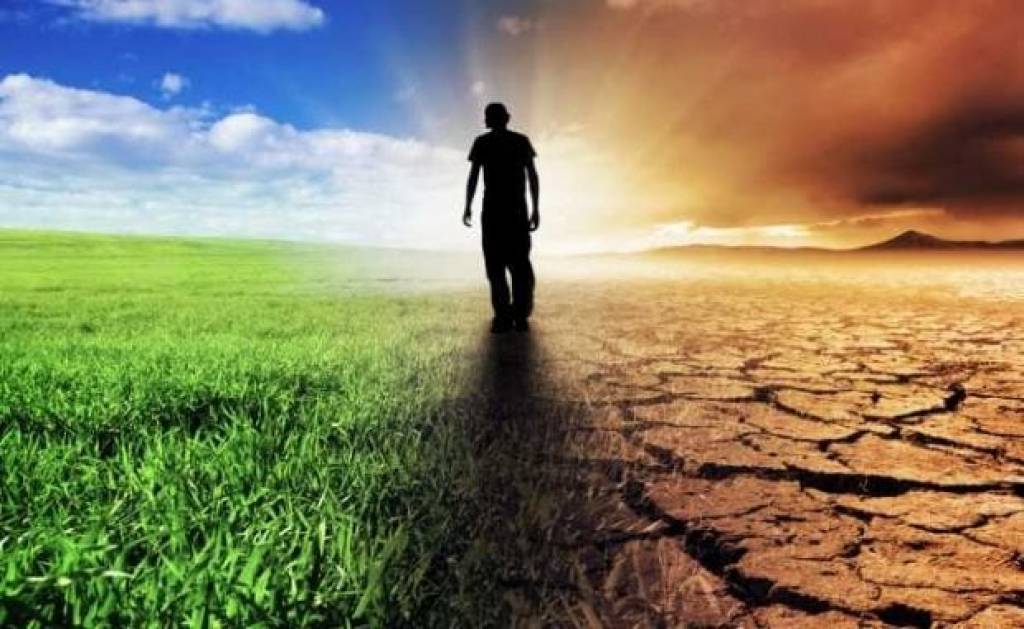
Desertification and drought rank among the most pressing environmental challenges facing humanity today. These phenomena are marked by soil degradation, the loss of biodiversity, and detrimental impacts on the socio-economic sphere.
Experts assert that desertification refers to the natural and human-induced reduction of fertile land areas, transforming such territories into arid regions. This occurs primarily due to low precipitation, poor land use practices, and deforestation.
On the other hand, drought is a natural phenomenon characterized by a decrease in water reserves caused by the absence or scarcity of rainfall over an extended period. As a result, food shortages emerge, and drinking water sources are severely reduced.
To counteract these issues, it is essential to implement reforestation and greening measures in areas adjacent to agricultural lands. The adoption of modern agrotechnical practices in agriculture, along with raising public awareness and environmental literacy, plays a crucial role. Equally important is the rational use of water resources and the deployment of high-efficiency irrigation systems. Sustainable land use principles must also be strictly observed.
Uzbekistan ratified the UN Convention to Combat Desertification in 1995. The country is undertaking extensive efforts to restore degraded lands, plant saxaul trees on the dried seabed of the Aral Sea, establish green belts, and implement digital soil monitoring systems. The Samarkand Declaration, initiated by Uzbekistan at COP16 held in Riyadh, Saudi Arabia, in 2024, received broad international support.
Desertification and drought pose a serious threat to all of humanity. Combating them is an urgent priority. Every country, community, and individual must contribute to protecting nature. Only through joint efforts can we ensure a healthy environment for future generations.
Muhayyo Toshqorayeva, UzA