
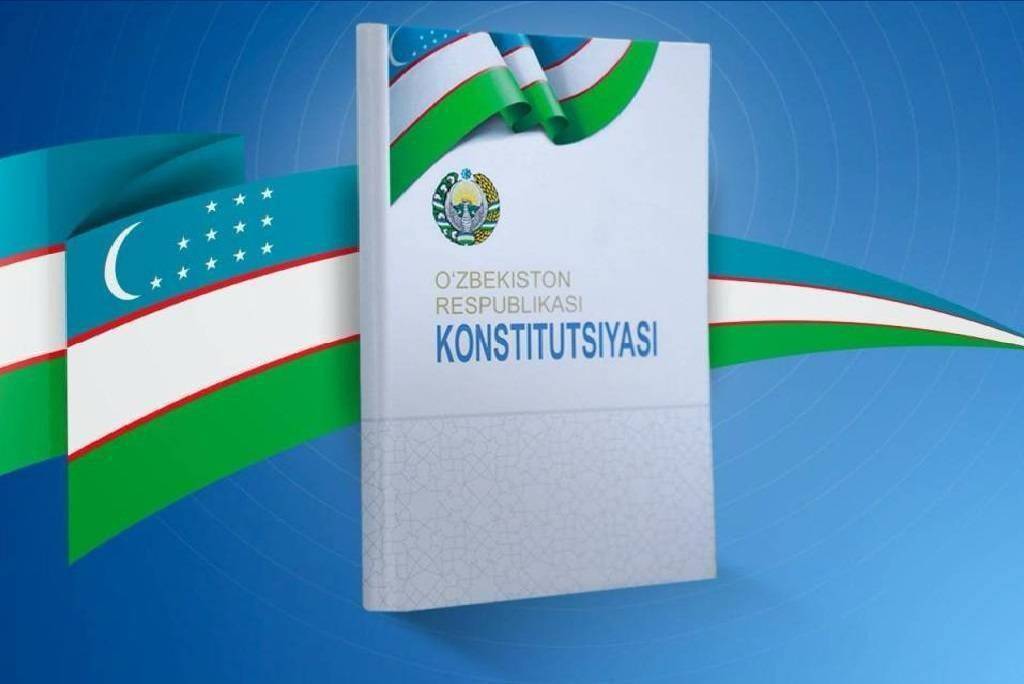
The 33rd anniversary of the Constitution of the Republic of Uzbekistan is not only a festive date but also an opportunity to reassess the country’s achievements as a state governed by the rule of law and to outline the next steps ahead.
It is fully justified that the Constitution is referred to as a “people’s constitution”. The fact that more than 5 million of our compatriots reviewed the draft during its development, that over 220,000 proposals were submitted, and that more than 90 percent of citizens participating in the nationwide referendum voted in favor of the renewed Constitution vividly illustrates this. Such civic engagement reflects the high level of our people’s sense of ownership over their future and the fate of their independent homeland. It once again confirms that our Basic Law truly embodies the will of the people.
The most important aspect of the Constitution is that it recognizes the human being, their life, freedom, honor, and dignity, as the highest value. As a result of the legal consolidation of the “person – society – state” principle, the political and legal landscape of the state and society has undergone a profound transformation. Human rights and freedoms have become the essence of our legislation and the guiding foundation of every state body’s activity.
One of the significant achievements of the renewed Constitution is the granting of constitutional status to civil society institutions. The title of Chapter XIII was changed from “Public Associations” to “Civil Society Institutions”. This modification is not merely formal. It represents a significant and substantive step forward.
According to the Basic Law, civil society institutions – public associations, non-governmental non-profit organizations, citizens’ self-governance bodies, and mass media – constitute the foundation of society. The state ensures the protection of its rights and interests and creates equal legal opportunities for its participation in public life.
Over the past five years, the number of non-governmental non-profit organizations has increased significantly. Nearly 200 major NGOs operate across the country. The Cabinet of Ministers has been tasked with implementing measures to support civil society institutions. They have also been granted the authority to exercise public oversight over the formation and execution of the state budget.
Article 65 of the Constitution defines key principles in the economic sphere. According to it, various forms of ownership constitute the foundation of the national economy, which aims to improve citizens’ well-being. The state guarantees the development of market relations, the creation of conditions for fair competition, and the freedom of economic activity, entrepreneurship, and labor, while giving priority consideration to the protection of consumers’ rights.
Based on these constitutional norms, the system for protecting consumer rights in our country is being improved. The Federation of Societies for the Protection of Consumer Rights of Uzbekistan holds a special place in this process. The Federation plays a vital role in safeguarding consumer interests and fostering a market environment of fairness and integrity. Its activities are of great significance in ensuring the practical implementation of legislation, providing legal advice and support, and combating low-quality goods and services.
The Constitution establishes, at the level of the Basic Law, that state bodies and officials are prohibited from interfering in the activities of NGOs, and likewise, non-governmental non-profit organizations are not permitted to interfere in the activities of state bodies and officials. This provision reflects a balanced and mutually respectful relationship between the state and civil society.
Another important aspect of our Constitution is its foundation on democratic principles. The separation of branches of state power, the system of checks and balances, the transparency of the electoral process, and the clearly defined legal status of civil society institutions are all firmly established.
Necessary steps have been taken to strengthen parliamentarism. The powers of the Legislative Chamber and the Senate have been significantly expanded, duplication in their work has been eliminated, and the areas of responsibility of each have been clearly defined.
The Constitution provides solid guarantees for the rights of entrepreneurs and investors. It stipulates that the state must ensure a favorable investment and business environment, develop market relations, and create conditions for fair competition. The practical implementation of this provision contributes to protecting consumer interests and to the formation of a market offering high-quality goods and services.
Uzbekistan is recognized as a social state. The state takes measures to ensure citizens’ employment, protect them from unemployment, and reduce poverty. The protection of public health, the right to education, and the right to work are guaranteed at the constitutional level.
Our renewed Constitution reflects the will of our people and symbolizes our aspiration toward a free and prosperous life. It will continue to serve as the main roadmap for building a New Uzbekistan. The core idea and purpose of our Constitution are to value the individual, protect their rights and interests, and develop civil society.
Jahongir Sarimsoqov,
Chairman of the Federation of Consumer Rights Protection Societies of Uzbekistan
UzA