
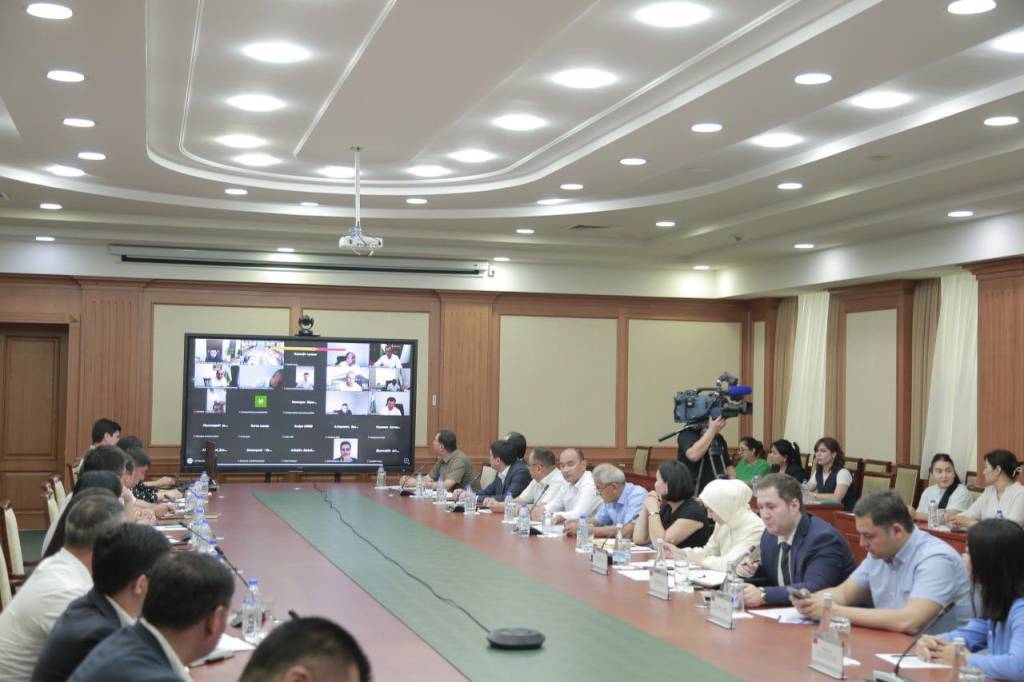
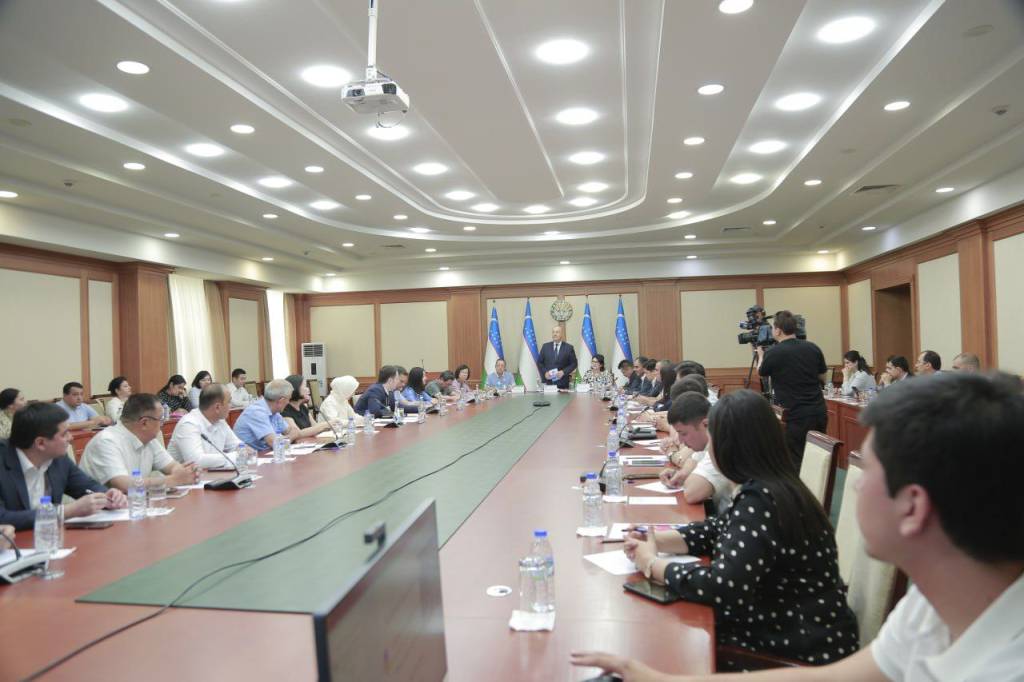
An international roundtable discussion was held at the Academy of Public Administration under the President of the Republic of Uzbekistan on “The Path to Prosperity: Lessons from China in economic development and poverty reduction in Uzbekistan”.
The Academy’s leadership, professors and teachers, scientists, officials of ministries and agencies, and media representatives attended the event.
The Rector of the Academy, Adham Bekmuradov, noted that the institution’s professors and teachers are constantly studying the Chinese experience in economic development and poverty reduction. In this regard, the country is one of the leading in the world.
Uzbekistan has also made significant progress in poverty reduction in recent years. According to the World Bank, from 2001 to 2018, the percentage of the population living below the poverty line fell from 27.5 to 11.4, indicating the government’s commitment to improving the country’s economic situation.
At the President’s initiative, tremendous work has been done to improve people’s lives. The situation requires studying foreign countries’ experience and choosing and implementing alternative options.
A representative from Beijing Normal University provided detailed information to the event participants on “China’s Economic Development and Poverty Reduction Policy: Lessons, Problems and Prospects”. The Chinese government has developed many programs aimed at lifting people out of poverty.
China achieved this by constructing modern roads, power lines, and communications, covering the country’s most remote regions, and improving transport links. Millions of people were resettled from disadvantaged areas, subsidies were allocated, new jobs were created in rural areas, and the path to business was opened.
A breakthrough in China’s agricultural sector was a form of labor organization called family contracting. Special training and retraining courses were also opened for farmers to participate in modern farming and trading activities, and schools equipped with modern technologies were built in poor areas to train young people.
The size of various payments was determined by living conditions in the regions, which greatly supported the population.
Norgul Abduraimova, UzA