
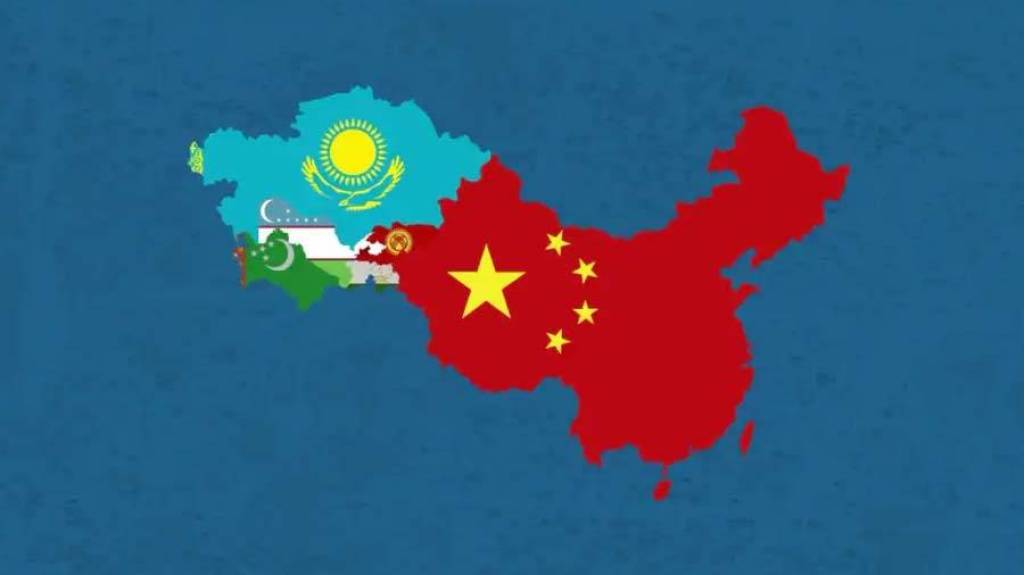
At a time when the United States is reducing its involvement in the region, Russia is constrained by the consequences of the conflict in Ukraine, and the European Union offers fragmented formats, China is acting strategically and consistently, occupying an increasingly prominent role. One noteworthy distinction of the “Central Asia – China” format from other “C5+” formats is that it is based on institutional and contractual foundations. In contrast, the others are more diplomatic frameworks, lacking implementation mechanisms.
Today, the focus is no longer solely on trade. The agenda now encompasses joint industrial projects, green energy initiatives, digitalization, technology transfers, and the development of educational platforms.
Kazakhstan, for instance, has proposed declaring 2026 the Year of Education and Science within the Central Asia – China format, while Uzbekistan has put forward the idea of establishing an Interregional Council on Investment and Trade.
In other words, China is building not only roads and factories in the region, but also a future, with a long-term vision spanning decades. Whether other global players like it or not, Central Asia is increasingly becoming a key arena of the great game, and this reality cannot be undone. The June summit and forum represent two building blocks in the wall of the future, where East and West will increasingly connect not by sea, but by land, through Central Asia.
Tursunali Quziyev
Professor, UNESCO Department
University of Journalism and Mass Communications