
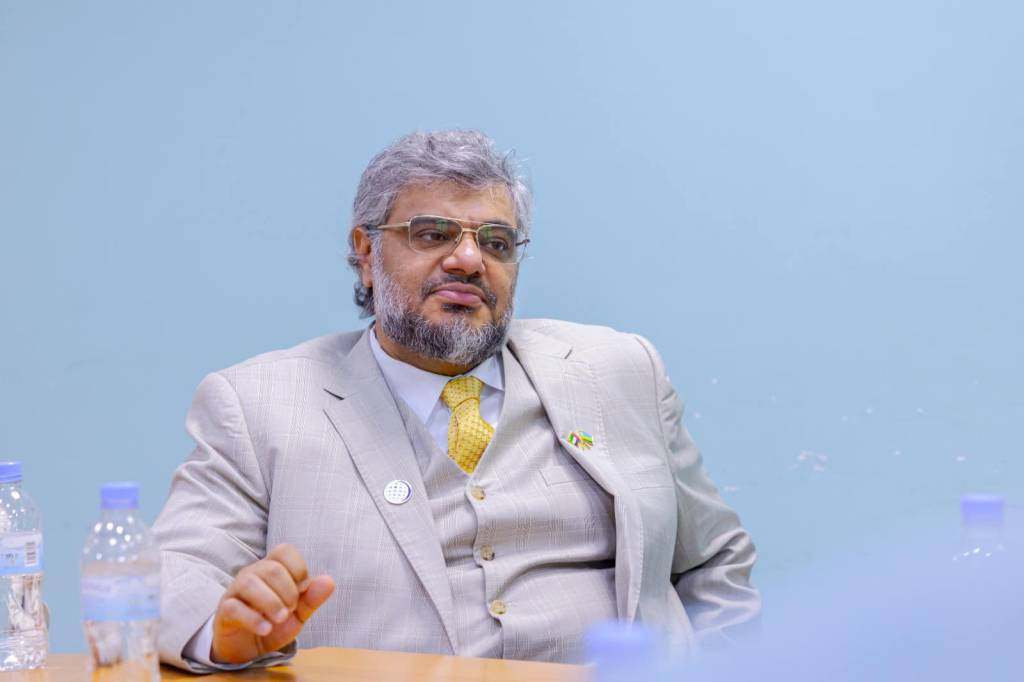
The “Al-Ittihad” newspaper of the United Arab Emirates published an article “This time about Tashkent” by the writer Ali Yousef Al Saad, who specializes in tourism.
– Now, take a tour of Tashkent with me. I want to tell you about Uzbekistan, located at the crossroads of the ancient Silk Road, particularly in the region where such cities as Tashkent, Bukhara, and Samarkand, with significant cultural and historical heritage, are located.
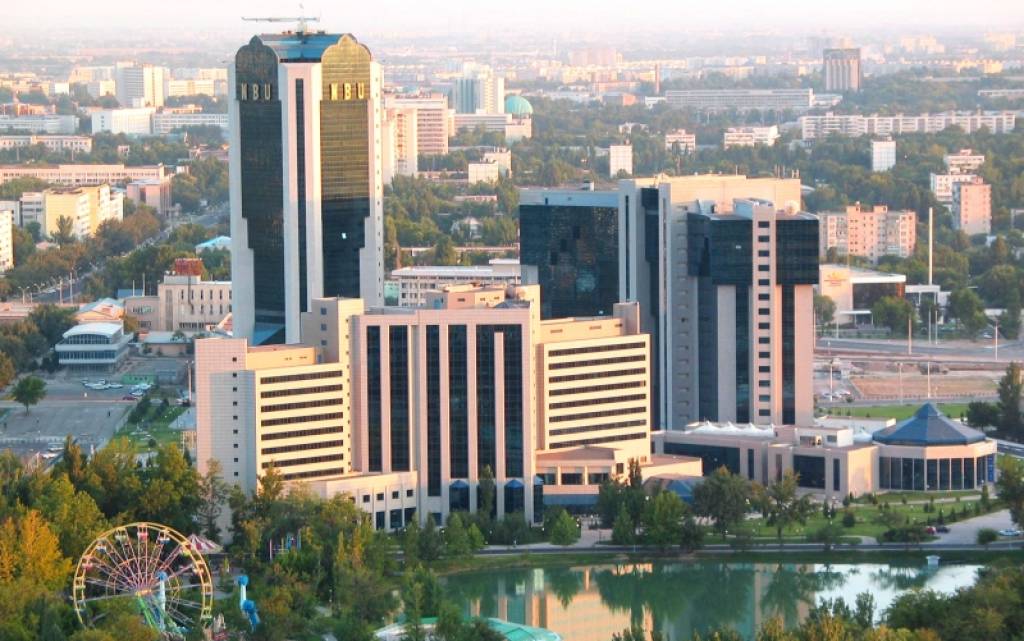
The capital of Uzbekistan, Tashkent, is the largest city in terms of population and is an ancient city in Central Asia.
This city, with a history of more than 2,200 years, has transformed from a small fortress surrounded by a defensive wall to one of the major capitals of the world. It was called differently in different historical periods. Great scientists such as Khoja Akhror Vali, Sheikh Umar Boghistoni, Abu Bakr Shoshi, Abu Sulaymon Banokati, and Hafiz Kuhaki lived and worked on this land.
The first information about Tashkent is found in eastern sources dating back to the 2nd century BC. Chinese historians called this city Yuni. The Persian King Shapur I, in his notes “Ka'ba-ye Zartosht”, written in 262 BC, called this land Choch:
– Choch is located at the crossroads of roads leading to other cities and countries where gold, precious stones, sweets, and thoroughbred horses were transported and exported.
Although Tashkent does not have direct access to the sea, I saw many unique places that should be visited here.
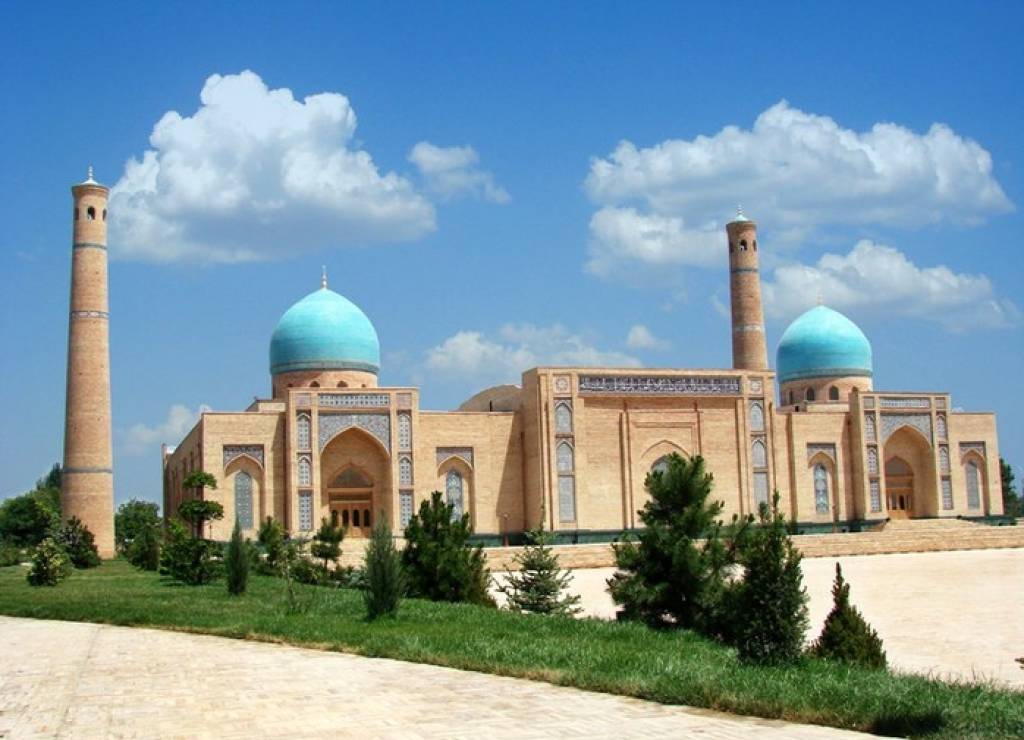
For example, the historical monument of Hazrati Imam was built in the 16th century. The memorial complex was built around the grave of Abu Bakr ibn Ismail al-Kaffal ash-Shashi. Later, a cemetery appeared on this territory, and in the 20th century, one of the pillars of Islam, the preacher and theologian Eshan Babakhan, was buried here.

The complex includes a park for walks, terraces, and a green area around the pool, and public festivities are held here. In the middle of the 19th century, the Tilla Sheikh Mosque – Tashkent Prayer House and the Muyi Muborak Madrasah were built. This madrasah contains an ancient manuscript of the Uthman Quran, created in the 7th century, and in 1997, it was included in the UNESCO Memory of the World Register.
Currently, the Hazrati Imam complex houses the Spiritual Administration of Muslims of Uzbekistan.
Another architectural monument in Tashkent, built in the 15th-19th centuries – the mausoleum of Sheikh Hovendi at-Takhur. The interior walls of the mausoleum have deep vaulted arches, the windows are barred, and the premises are crowned with a dome. The mausoleum's multi-tiered dome rests on a 12-sided base.
If you come to Tashkent, you should see Mustaqillik Square, Navoi Park, Amir Timur Square, and the TV tower.
Personally, I was impressed by the capital's tourism infrastructure, particularly the roads and many hotels.
The Uzbek people are heartfelt and hospitable. In the capital, which is always crowded, there are 15 museums and 3,000 libraries.
Uzbek dishes are a separate topic. Thanks to the Great Silk Road, the influence of Iranian, Chinese, and Arabic dishes can be felt in the local cuisine. The main national dish is pilaf. Don’t forget to try sliced boiled dough with meat – norin. It is impossible to imagine a table without patyr flatbread in this land. The Uzbek people are tea lovers. People are used to drinking tea with any dish. Watching this spectacle is a pleasure. Having decided to visit Bukhara, Samarkand, and Khiva the next time, I left Tashkent with a sea of impressions.
Ali Yousef Al Saad, writer.
UAE