Uzbekistan is actively implementing economic reforms and modernization processes, creating new favorable opportunities for foreign investors.
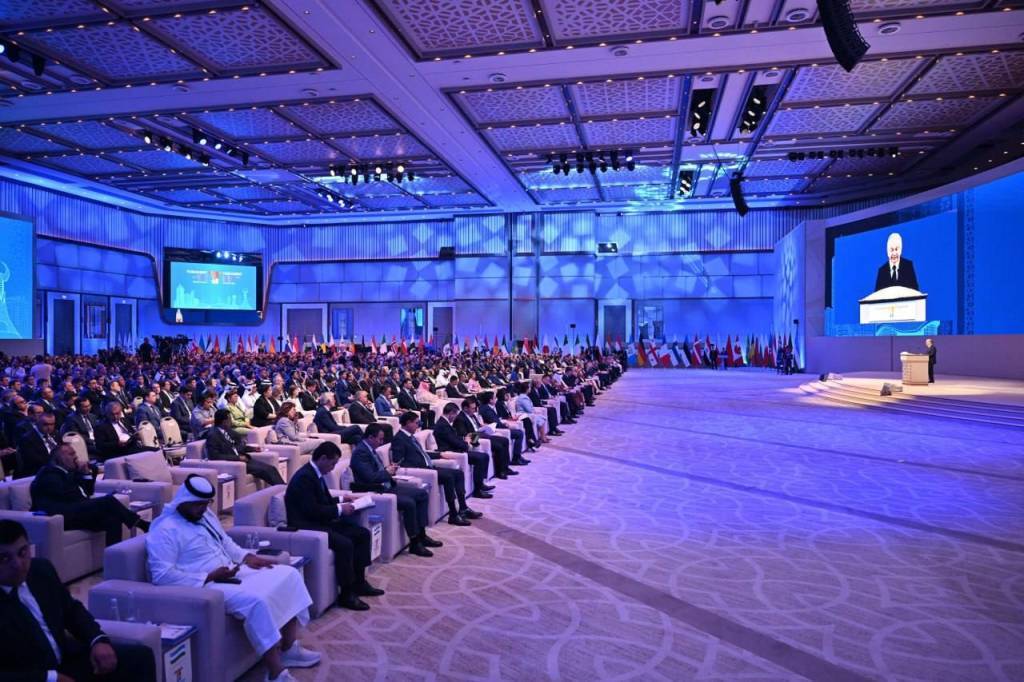
At the 4th Tashkent International Investment Forum, held in the capital from June 10 to 12, investment and trade agreements totaling $30.5 billion were signed.
The forum was attended by nearly 3,000 international guests from almost 100 countries. Such a large number of foreign participants reflects the growing trust and interest in Uzbekistan.
The forum serves as an influential international platform, showcasing not only Uzbekistan’s high economic growth but also that of the Central Asian region. It provides a venue for discovering the extensive investment opportunities available in Uzbekistan.
At the forum, dozens of innovative ideas were presented in digital transformation, the green economy, energy, tourism, and education. Implementing these initiatives will play a vital role in providing accessible and high-quality services, environmentally friendly products, and new infrastructure for the population.
In Uzbekistan, the gross domestic product has grown from $69.6 billion in 2017 to $115 billion in 2024, while per capita income increased from $2,100 in 2017 to $3,093 in 2024. Inflation dropped from 14.4 percent in 2017 to 9.8 percent in 2024. Foreign investment rose from $3.3 billion in 2017 to nearly $35 billion in 2024, and exports grew from $12.6 billion in 2017 to $27 billion in 2024. These indicators also reflect the tangible outcomes of the Tashkent International Investment Forum, which has now been held in Uzbekistan for the fourth time.
International recognition and strengthening economic standing
Uzbekistan is implementing large-scale reforms to create a favorable investment climate, protect the rights and legitimate interests of private property owners, reduce state participation in the economy, and establish the conditions for developing the private sector and transparent privatization of state assets. The investment climate is undergoing a significant improvement. According to the World Bank’s 2024 report, Uzbekistan is among the countries in the region with the fastest growth in investment attractiveness.
It is encouraging that the results of the reforms being carried out in the New Uzbekistan are also reflected in international rankings. Over the past five years, the country’s position in the Index of Economic Freedom has improved by 48 points, and by 28 points in Harvard’s Economic Complexity Index. Last month, the prestigious agency S&P upgraded Uzbekistan’s sovereign credit rating outlook from “stable” to “positive.”
The success of any country in the socio-economic sphere is based on the knowledge, skills, experience, and potential of the people who live and work in that society. Human capital is one of the most important criteria determining a country’s future.
In Uzbekistan, the effective use of human capital is a key factor in economic development. The state’s efforts to improve the population’s level of education, safeguard public health, and ensure social protection are of great significance, not only for the development of the individual, but also for enhancing national competitiveness. Naturally, internal and external factors significantly influence the formation and development of human capital. Internal factors are directly related to the individual, while external ones involve the influence of other actors on the development of human capital. Any investment in human capital will yield returns only if it ensures sufficiently high profitability. Therefore, when implementing investment policies, assessing the risks involved in this area and evaluating the economic efficiency of such investments is crucial.
As President Shavkat Mirziyoyev emphasized in his address at the 4th Tashkent International Investment Forum, “Investment is not just a financial resource. It is technology, knowledge, qualified personnel, integration into international production chains – in other words, it is genuine development”.
The forum demonstrated the inseparable connection between the reforms being implemented in our country and the goals outlined in the Uzbekistan 2030 Strategy. It is an essential platform for showcasing the country’s economic potential, fostering dialogue with investors, and improving the investment climate.
As President Shavkat Mirziyoyev stated, “We aim to build a New Uzbekistan, open, free, stable, and reliable for investors. We will thoroughly examine every initiative and idea and strive for practical results”.
The international community now sees Uzbekistan not only as a country rich in natural resources but also as a region offering legal guarantees, human capital, and digital governance.
Overall, the agreements signed, decisions made, and projects launched at the forum contribute not only to the country’s economic development but also benefit ordinary citizens. The factories, enterprises, and logistics centers to be built will create tens of thousands of jobs, helping to reduce unemployment and increase household incomes.
The Development Strategy Center will continue to play an active role in identifying the country’s economic priorities by providing strategic analysis and evidence-based policy recommendations.
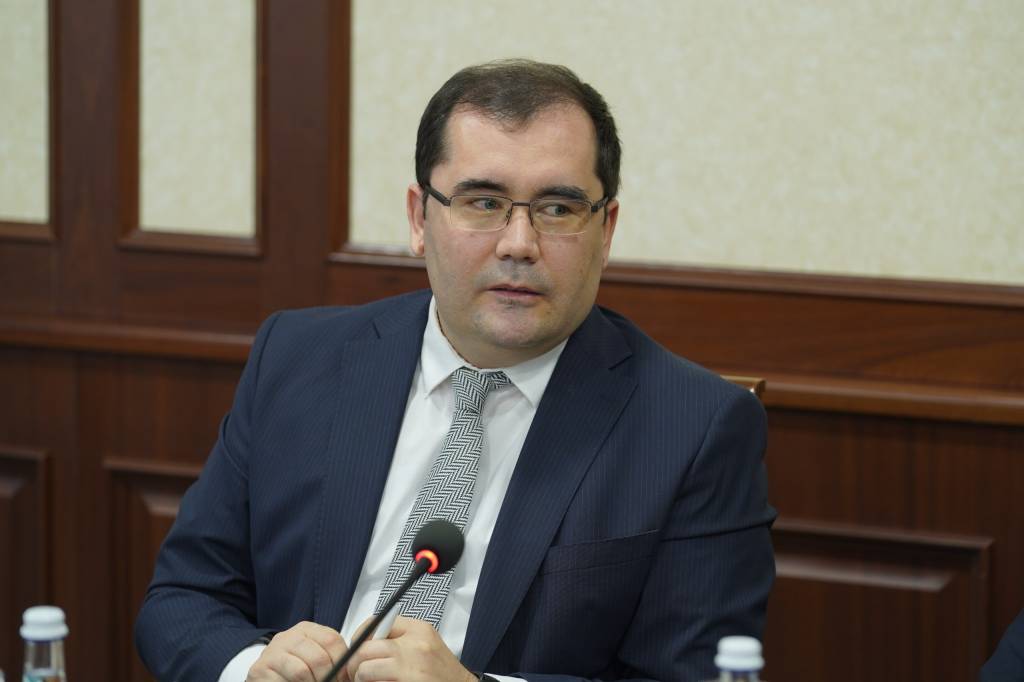
Eldor Tulyakov,
Executive Director of the Development Strategy Center
UzA