
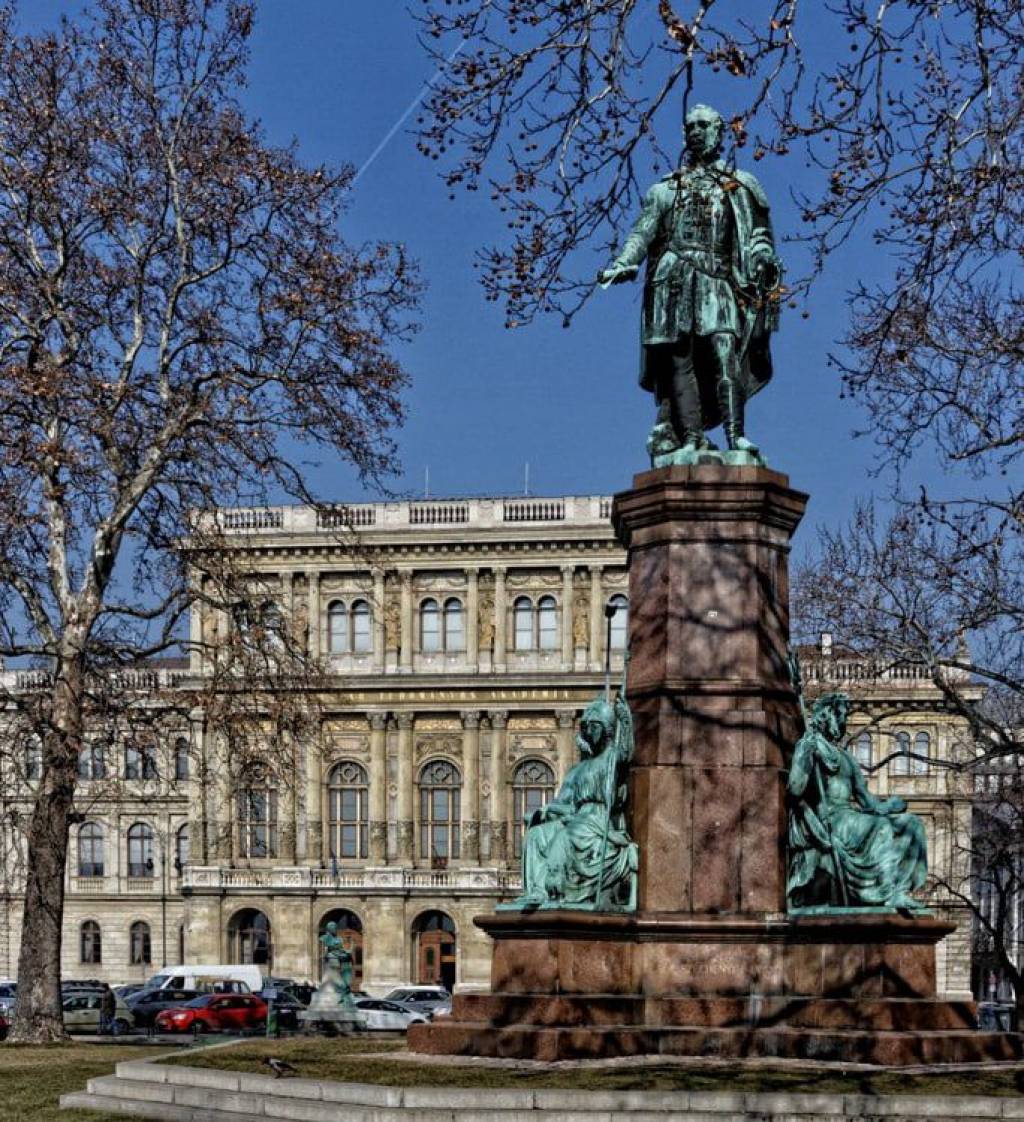
A presentation of an album book “Cultural Heritage of Uzbekistan in the Collection of the Hungarian Academy of Sciences” will take place at the VI Congress of the World Society for the Study, Preservation and Popularization of the Cultural Heritage of Uzbekistan.
The publication will present the most striking events in history that connected the territories of Uzbekistan and Hungary, the fate of people who played a special role in establishing contacts between the two countries.
The book tells about the Hungarian Orientalist and traveler Arminius Vámbéry and his associate and explorer Mullah Iskhak from Khiva.
Mullah Iskhak arrived in Hungary with Arminius Vámbéry, who devoted a whole chapter to describe their friendship in his “Essays on Central Asia”. Their meeting took place in Khiva, where a young Uzbek from Kungrad was looking for fellow travelers to the holy city of Mecca. In 1865, Mullah Iskhak began working in the library of the Hungarian Academy of Sciences, and in January 1866 he received a permanent position there.
“For Hungarians, Mullah Iskhak was an invaluable and reliable source of knowledge about many aspects of life, language and culture of the population of Central Asia”, comments the author and project manager, Chairman of the Board of the World Society for the Study, Preservation and Popularization of the Cultural Heritage of Uzbekistan Firdavs Abdukhalikov. – Thanks to his acquaintance with Mullah Iskhak, Vámbéry got information about the culture of our people, after which the work of Alisher Navoi became available to the Hungarians, and indeed to the whole of Europe. After all, the study of the works of our great poet in Hungary began precisely with Vámbéry.
The main attention in the book is also paid to the old Uzbek and Persian manuscripts, reflecting the cultural heritage of Uzbekistan, stored in the library of the Hungarian Academy of Sciences.
The author of the book album is Benedek Péri, Director of the Institute of Oriental Studies, Eötvös Loránd University, Hungary.
The project is being implemented with the support of the international oilfield service company ERIELL Group.
UzA