


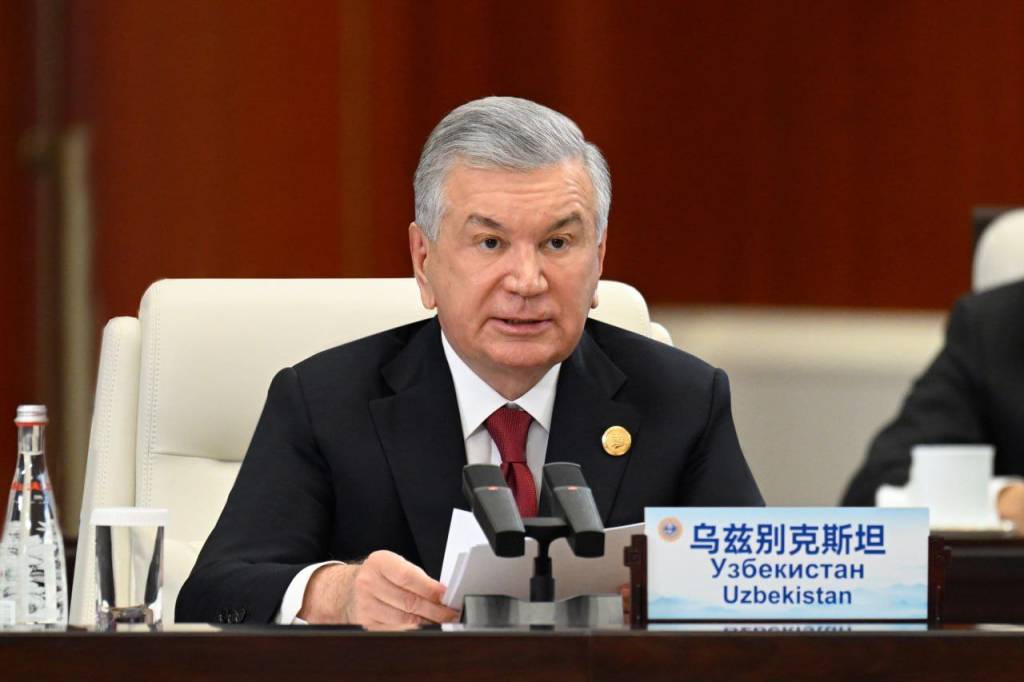
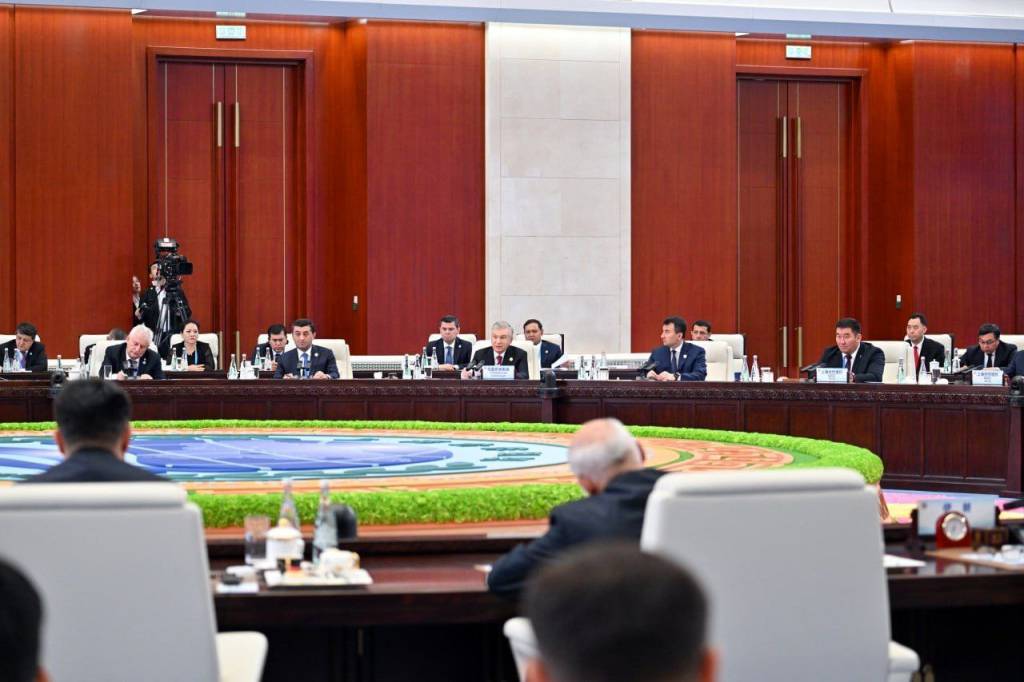
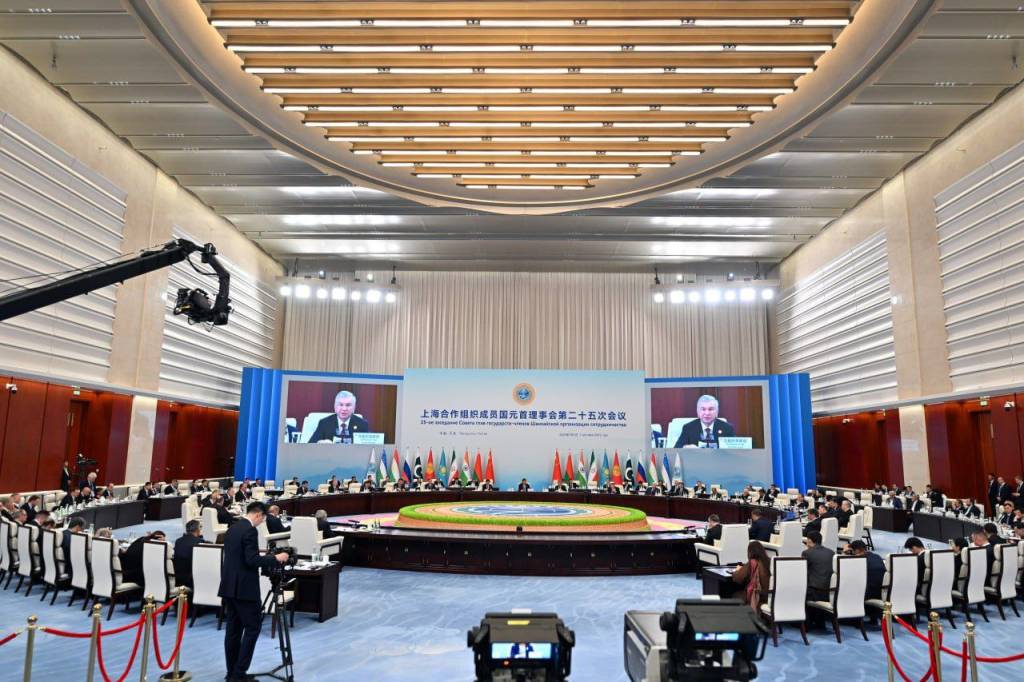
On September 1, the President of the Republic of Uzbekistan, Shavkat Mirziyoyev, took part in a regular meeting of the Council of Heads of Member States of the Shanghai Cooperation Organization, held in Tianjin.
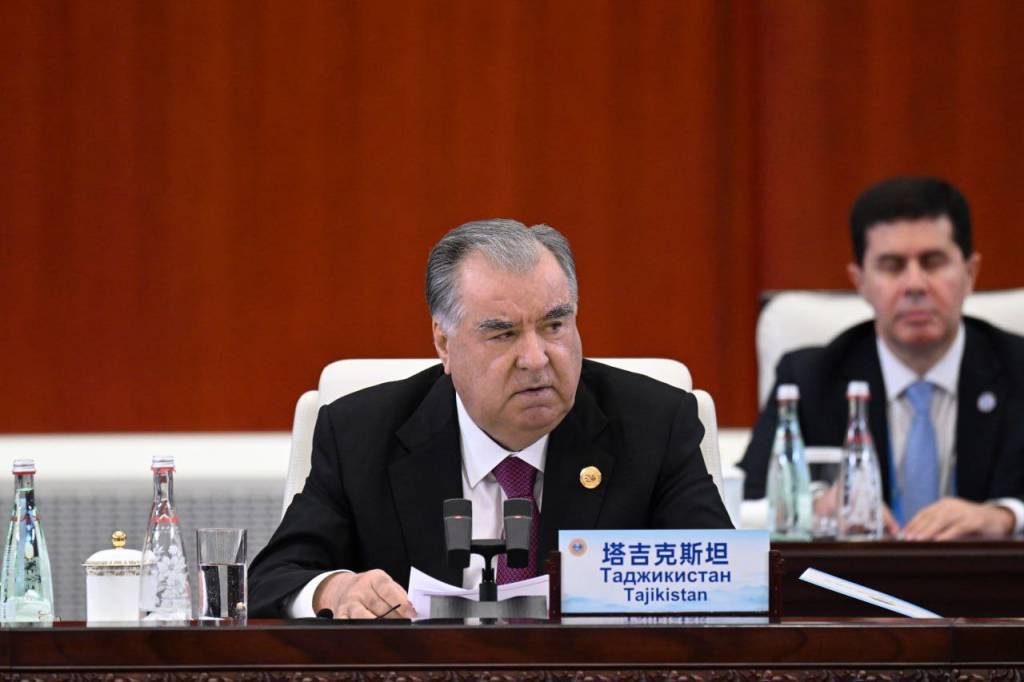
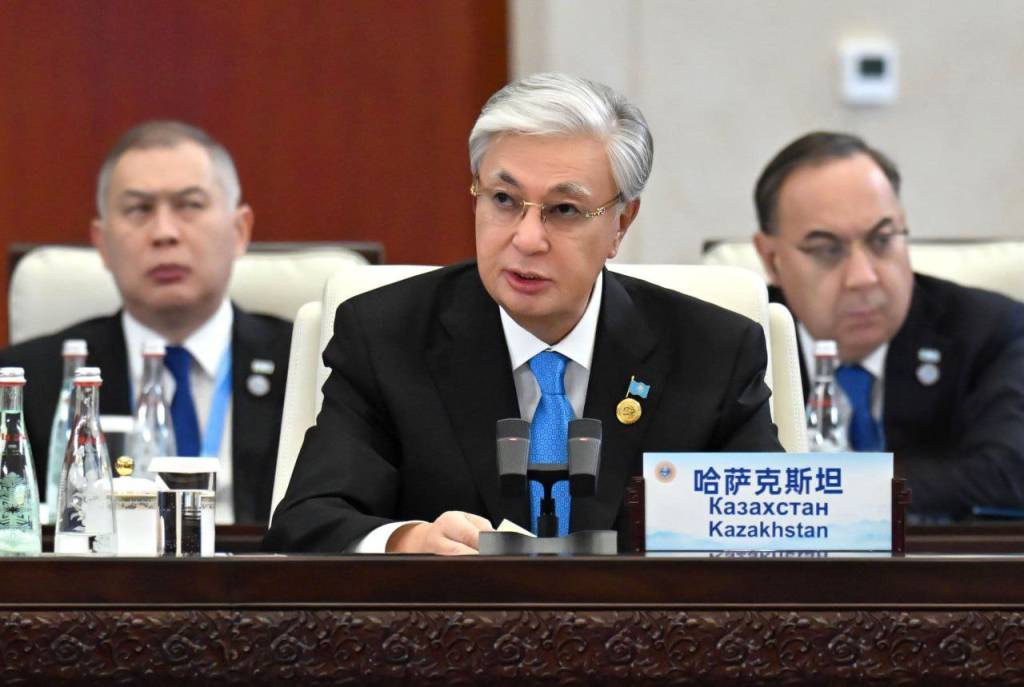
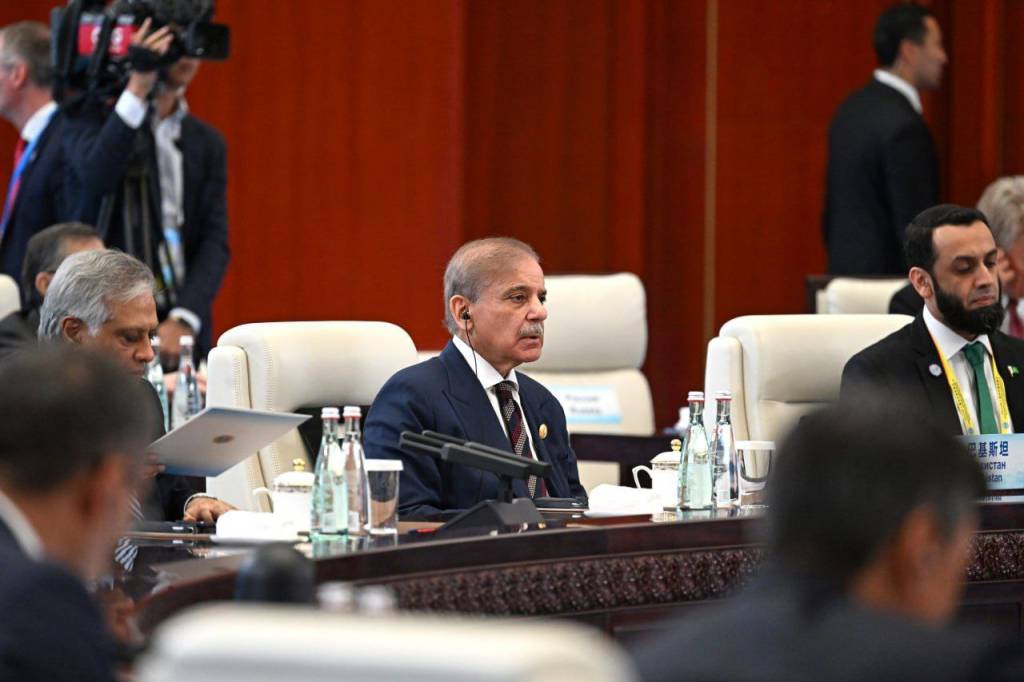
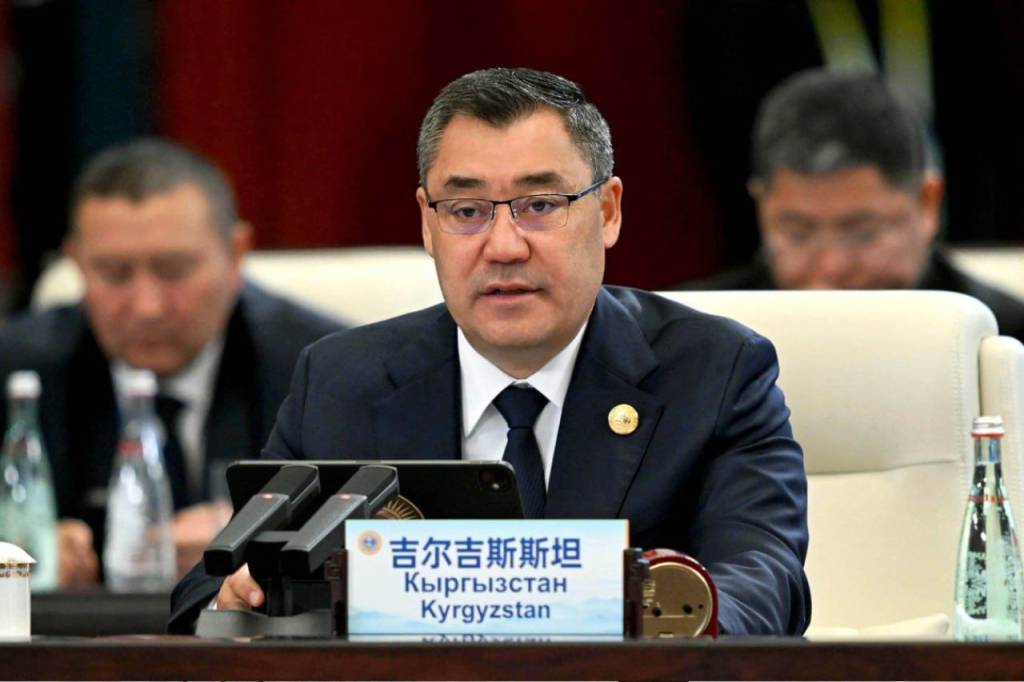
The event, chaired by the President of the People’s Republic of China Xi Jinping, was also attended by the President of the Republic of Belarus Alexander Lukashenko, the Prime Minister of the Republic of India Narendra Modi, the President of the Islamic Republic of Iran Masoud Pezeshkian, the President of the Republic of Kazakhstan Kassym-Jomart Tokayev, the President of the Kyrgyz Republic Sadyr Japarov, the Prime Minister of the Islamic Republic of Pakistan Shehbaz Sharif, the President of the Russian Federation Vladimir Putin, the President of the Republic of Tajikistan Emomali Rahmon, as well as the SCO Secretary-General Nurlan Yermekbayev and director of the Executive Committee of the Regional Anti-Terrorist Structure of the Organization Ularbek Sharsheyev.
In accordance with the agenda, prospects for further deepening multilateral cooperation within the SCO and enhancing the organization’s activities were discussed, and an open exchange of views on current regional and international issues took place.
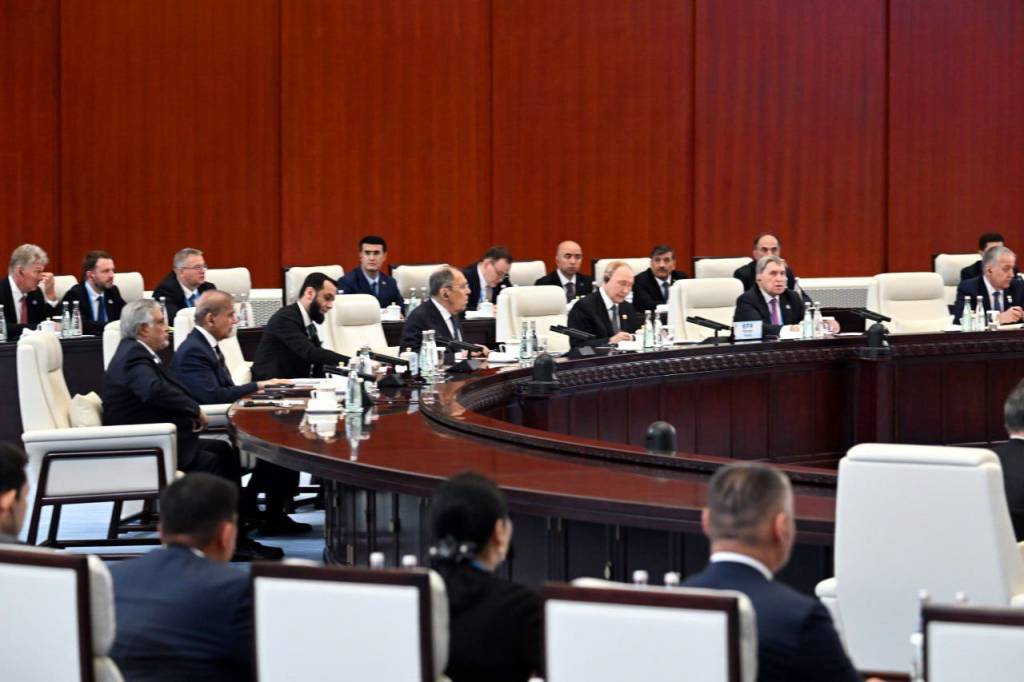
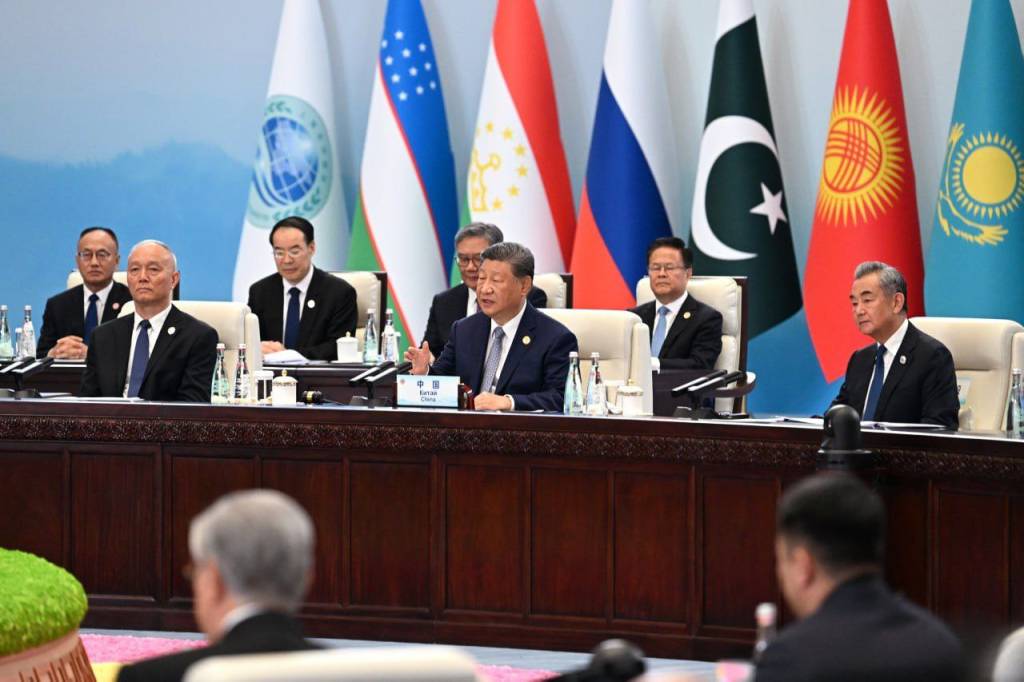
Giving the floor to the President of Uzbekistan, the President of the People’s Republic of China Xi Jinping congratulated President Shavkat Mirziyoyev and the people of Uzbekistan on Independence Day. He particularly emphasized that under the leadership of the President, Uzbekistan is developing at a rapid pace, and the lives of the people have improved. The Chinese side sincerely rejoices in these successes.
Welcoming the participants of the meeting, the Leader of Uzbekistan highly appreciated China’s chairmanship of the SCO and congratulated those present on the 80th anniversary of the Great Victory in World War II, as well as thanked the heads of delegations of SCO member states for their warm congratulations and sincere wishes on the occasion of the Independence Day of the Republic of Uzbekistan.
The Leader of Uzbekistan stressed that the current summit is taking place in conditions of global uncertainty.
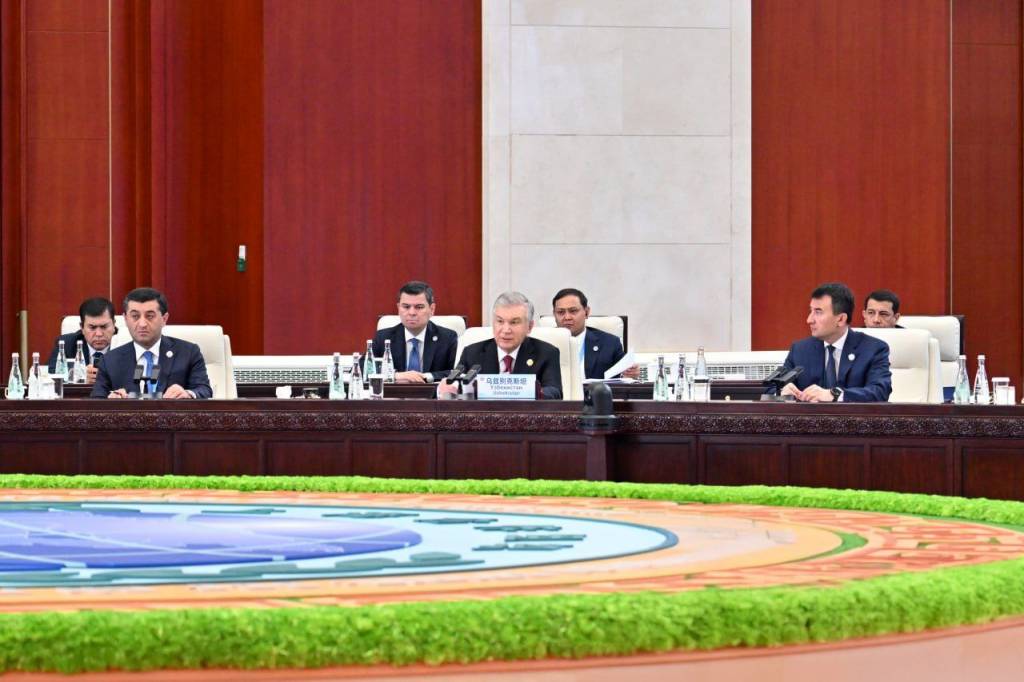
A systemic crisis of trust, the escalation of conflicts, the weakening of multilateral institutions, and the fragmentation of the world trade system are undermining the foundations of the international architecture of security and stability.
“In such conditions, mutual understanding and solidarity among SCO member states is not just a valuable asset, but the key to preserving peace in our vast region”, the Leader of Uzbekistan said.
To further enhance multilateral cooperation within the SCO, the Leader of Uzbekistan drew attention to the following.
Firstly, the importance of improving the organization’s efficiency, its institutions, and mechanisms for implementing decisions was emphasized. Confidence was expressed that the process of transforming the organization launched at the Samarkand summit would contribute to solving these tasks.
The Head of State spoke in favor of the consistent expansion of the SCO, including the inclusion of new states in its membership, such as countries from other regions, which will contribute to the transformation of the organization into a platform for cooperation with the states of the Global South.
Cooperation in the field of security was identified as one of the key priorities of the SCO.
“Today, there is a growing need for coordinated approaches and new mechanisms to build trust and ensure security”, underlined the President of Uzbekistan.
In this context, the Head of Uzbekistan called for the adoption of the SCO Declaration on strengthening multilateral partnership for nuclear security, which will become a solid foundation for the development of peaceful nuclear energy and response to emergencies, as well as an essential contribution to the global non-proliferation regime under the auspices of the United Nations.
To effectively counter cross-border threats, it was proposed to resume the work of the Meeting of Ministers of Internal Affairs and Public Security, revise the provisions of the Agreement on Cooperation in Combating Crime, and develop a Program to Combat Drug Addiction until 2030.
The Leader of Uzbekistan supported the resumption of the work of the “SCO – Afghanistan” Contact Group, one of whose main tasks could be to develop proposals for fostering constructive dialogue and supporting socio-economic projects in Afghanistan.
Against the backdrop of current global economic trends, priority is given to expanding trade and economic cooperation.
“We stand for the formation of a sustainable model of economic cooperation in our vast region”, the President of Uzbekistan said.
In this context, the importance of signing the Agreement on Trade Procedures Simplification and the early implementation of effective financial support instruments for regional industrial and infrastructure projects was noted.
To develop reliable production and logistics chains and stimulate mutual investment, it was proposed to create several new multilateral platforms and instruments to support cooperation within the SCO, such as a Regional center for critical materials, an Energy consortium, a Network of venture companies and funds to support start-ups and innovative projects, and a Special electronic portal for establishing business contacts and promoting investment, with the involvement of the regions.
The Head of State paid special attention to unlocking the transport and transit potential of the North-South and East-West lines, as well as developing corridors in the southern direction, which run through Central Asia and provide access to the ports of the Persian Gulf and the Indian Ocean.
Considerable opportunities were identified for coordinating efforts to form a “SCO common transport space” and link it to the Belt and Road strategic initiative. It was proposed to develop a concept providing for the creation of new multimodal networks, digital platforms, and green corridors.
In the context of expanding the SCO partnership in the field of green transformation, the need to launch a regional platform on climate change adaptation, decarbonization, and the introduction of artificial intelligence technologies for forecasting environmental risks was noted.
“The key factor in long-term partnership within the SCO is the further deepening of cultural ties and the strengthening of the ‘people’s diplomacy’ institution”, the President of Uzbekistan emphasized.
He noted that the International Festival of Folk Art, the creation of an online campus for the SCO University partner network, and the organization of annual competitions and Olympiads among students and young professionals in innovative fields could give a powerful impetus to the development of humanitarian exchanges and further rapprochement between our peoples.
It was also proposed to work on promising projects, such as the launch of the “Tourism Corridor” and the SCO Medical Tourism Alliance.
In conclusion, the President of Uzbekistan congratulated the President of the Kyrgyz Republic Sadyr Japarov on assuming the chairmanship of the Shanghai Cooperation Organization.
The President of the People’s Republic of China Xi Jinping expressed his gratitude to the President of Uzbekistan for the essential initiatives outlined in his speech and emphasized the importance of their joint implementation.
Following the meeting, a document signing ceremony was held. In particular, the Tianjin Declaration, the SCO Development Strategy up to 2035, and a package of critical multilateral documents aimed at strengthening partnerships in various areas of cooperation were adopted.
UzA