Southeast Asia. Life in Kota Kinabalu
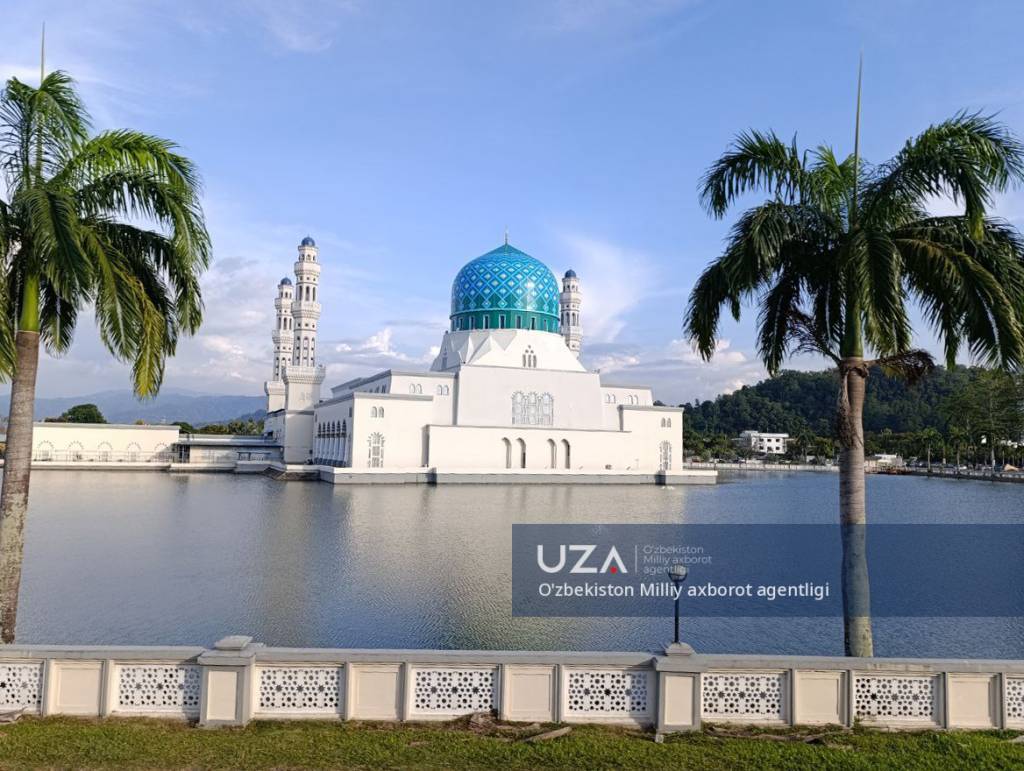
Malaysia is one of the rapidly developing countries of Southeast Asia, distinguished by its multinational society, stable economy, and open tourism policy.
The country’s territory includes the Malay Peninsula and the island of Borneo. The presence of natural resources, tropical forests, and coastal cities has turned the state into an important player in the international tourism market.
In recent years, Malaysia has been strengthening cooperative ties with Uzbekistan, especially in the fields of economy and tourism. The expansion of tourist geography, air travel opportunities, and joint projects of tour operators provides momentum in this process.
The cultural affinity, favorable conditions for Muslim travelers, and the development of halal tourism infrastructure make Malaysia an attractive destination for visitors from Uzbekistan. Interest among Malaysians in Uzbekistan’s historic cities and pilgrimage tourism is also growing.
The Government of Malaysia, which supports tourism as a strategic sector, pays close attention to infrastructure modernization, the expansion of air routes, and the strengthening of the international brand. Today, this country is in demand not only as a tourist destination, but also as a center for business and educational tourism.
From March 2 to 9 of this year, a press tour to Malaysia was organized for a group of journalists from Uzbekistan in cooperation with AirAsia X and Tourism Malaysia.
The trip was significant for its focus on strengthening cooperation in the tourism sector and demonstrating the country’s tourism potential.
Getting Acquainted with the City of Kota Kinabalu
Kota Kinabalu, the capital of the state of Sabah, is located on the island of Borneo. The city is distinguished by its tropical climate, clean air, and moderate pace of life. Throughout the year, the air temperature here remains at around 25-32 degrees Celsius, and nature and modern urban planning solutions complement each other harmoniously.
The most famous symbol of the city is Mount Kinabalu, which rises to 4,095 meters. It is located within a national park, is included in the UNESCO list, and attracts great interest from climbers and ecotourism enthusiasts.
Another national attraction is the Tunku Abdul Rahman Park, located near the city, consisting of five islands scattered 3-8 kilometers apart. It is named after Malaysia’s first Prime Minister, Tunku Abdul Rahman. The park is known for its natural beauty and beaches: the sea and coral reefs create unique conditions for water sports, snorkeling, and diving. Notably, the park’s plant and animal life, as well as its marine ecosystem, are protected. Tunku Abdul Rahman Park is a popular ecotourism area, which can be reached by boat from the center of Kota Kinabalu.
The city of Kota Kinabalu also plays an important role in education. Universiti Malaysia Sabah, a prestigious higher education institution that admits students from various countries, is located here.
The main sectors of the economy are closely linked to tourism, the service sector, fisheries, and the oil and gas industry. In this regard, the city offers opportunities not only for tourism, but also for work and education.
More than 30 ethnic groups live in the state of Sabah, speaking over 150 dialects. It is not surprising that each district has its own distinctive features. There are ancient villages, small towns, and large developing cities. Rich cultural diversity and natural landscapes shape the state’s unique character.
An Open-Air Museum and National Cuisine
It is an undeniable fact that the people of any country value their traditions and consider it necessary to pass them on to future generations.
We were once again convinced of this during a visit to one of the country’s well-known cultural and tourist sites, the MariMari Cultural Village museum, located near Kota Kinabalu. This cultural village, established in 1996, serves as an open-air museum, showcasing the lifestyle, traditions, and customs of the people of Borneo.
The journey from Kota Kinabalu to the village takes 20-30 minutes. The village features traditional houses of the local peoples – the Kadazan-Dusun, Rungus, Lundayeh, Bajau, and Murut.
During the village tour, tourists can learn about ancient hunting methods, the process of making fire with bamboo, and the preparation of local food. One of the museum’s main programs is to present national dances and cultural performances for visitors.
As specialists note, the village’s main goal is to preserve and promote the rich cultural heritage of the peoples of Borneo. History and traditions are expressed both in forms known since ancient times and in modern forms through art, music, and cuisine. The open-air museum is a source of pride for the residents of this area.
It should be especially noted that Malaysian cuisine has its own distinct character. This may be related to the specific climate, but the dishes here differ greatly from those common in Central Asia.
Dani Matias, the guide accompanying the press tour participants, noted that Kota Kinabalu is primarily known for its seafood. Restaurants and markets offer freshly caught fish, crabs, squid, and other seafood.
– Seafood cuisine is distinguished by its naturalness and refined taste. Malaysian national dishes are known for their aroma of curry, coconut milk, and a wide variety of spices. The city also has cafés and restaurants serving Spanish, Thai, and Italian cuisine. I have not been to Uzbekistan, but I would very much like to visit it and learn about its history, national culture, and traditional dishes. I hope our cooperation will only grow stronger, – said D. Matias.
Kota Kinabalu attracts tourists with its blend of cultures and traditions in one area.
Conversation with a Specialist
In recent years, the leadership of the state of Sabah has paid close attention to strengthening its partnership with Uzbekistan in the tourism sector. Today, confident and successful steps are being taken in this direction.
As noted by Zarinah Amiludin, Marketing Manager at the Sabah Tourism Board, in 2025, the state welcomed 3.7 million foreign and domestic tourists, most of whom were not from Central Asia. About 300 visitors came from Uzbekistan.
– We are studying additional opportunities to attract tourists from Central Asia, in particular Uzbekistan. I believe they will very much enjoy our islands, hotel complexes, and resorts. We are also interested in which dishes may appeal to them.
Our main task is to cooperate with travel agencies, provide extensive information about Sabah’s opportunities, support the development of the tourism market, and attract as many tourists as possible.
I would like to note an important aspect: Malaysia is a safe country. Tourist facilities operate around the clock, and travelers can walk along the streets calmly even late at night. A consultation service and a chatbot that helps resolve current issues are available to them. This option is available on the official website, and by scanning a QR code at airports, one can obtain information about the nearest hospital or police station. Sabah favorably differs from other states of Malaysia in the beauty of its islands and its national traditions, – said Zarinah Amiludin.
Acquaintance with Kota Kinabalu made a great impression. The city fully reflects Malaysia’s tourism potential, serving as an eco-territory with especially comfortable conditions for tourists.
[gallery-27976]
Nasiba Ziyodullayeva, UzA
Malaysia, Kota Kinabalu