
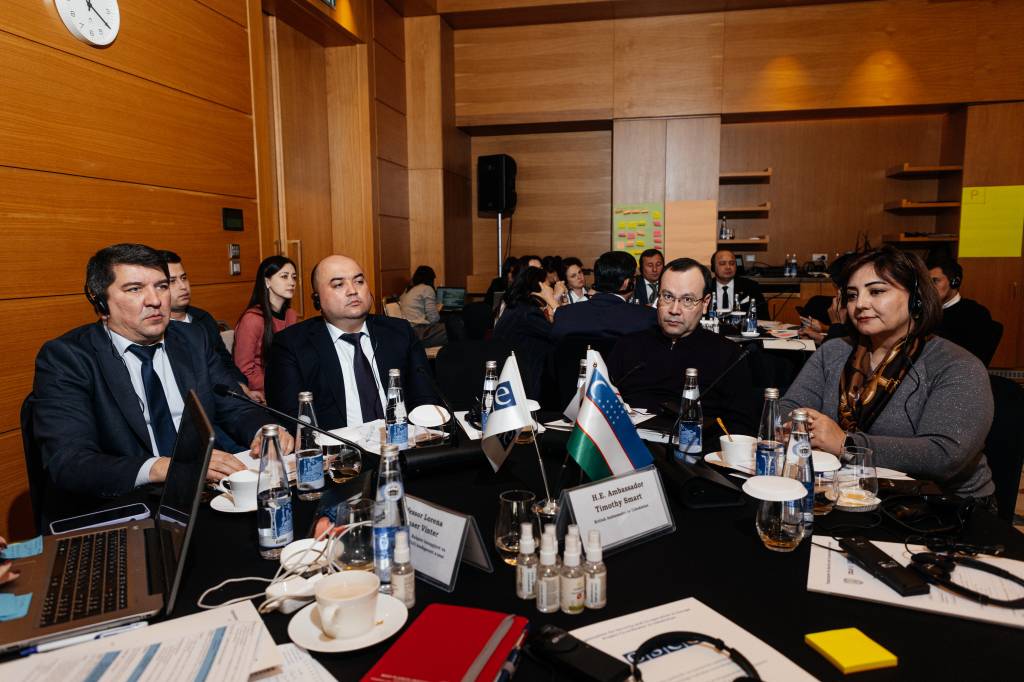
On 11-12 November,Tashkent hosted a workshop on “Ensuring Procedural Safeguards and the Protection of the Rights of Individuals in Criminal Proceedings”, organized by the OSCE Project Co-ordinator in Uzbekistan in cooperation with the Centre for Development and Justice (CDJI).

Representatives of law enforcement, the judiciary, and the defence bar learned international best practices and discussed how to make criminal proceedings fairer, more transparent, and more humane.
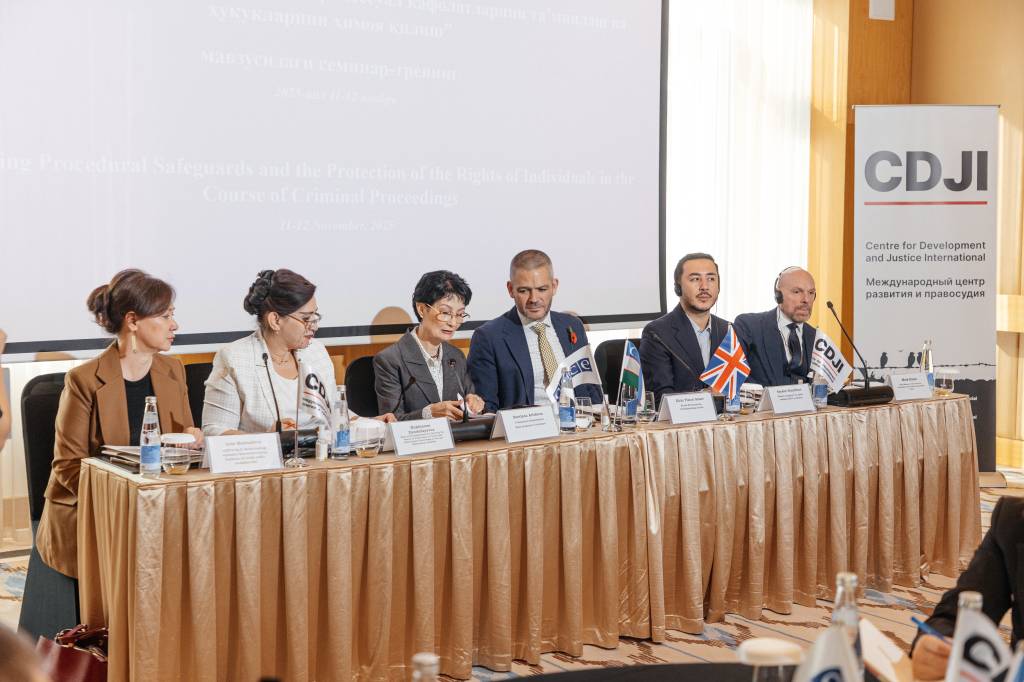
The training was delivered by international experts from the Centre for Development and Justice (CDJI) from countries such as Spain, the Netherlands, and the UK.

They provided an overview of constitutional safeguards and the so-called Miranda Rights – the rights of individuals to know the charges against them, to remain silent, and to have access to a lawyer during detention. These rules originated in the United States following the 1966 case of Ernesto Miranda and have since become a symbol of fair treatment for suspects. Participants discussed how such safeguards can be applied in criminal proceedings in Uzbekistan, ensuring that every detainee clearly understands their rights and can fully exercise them.
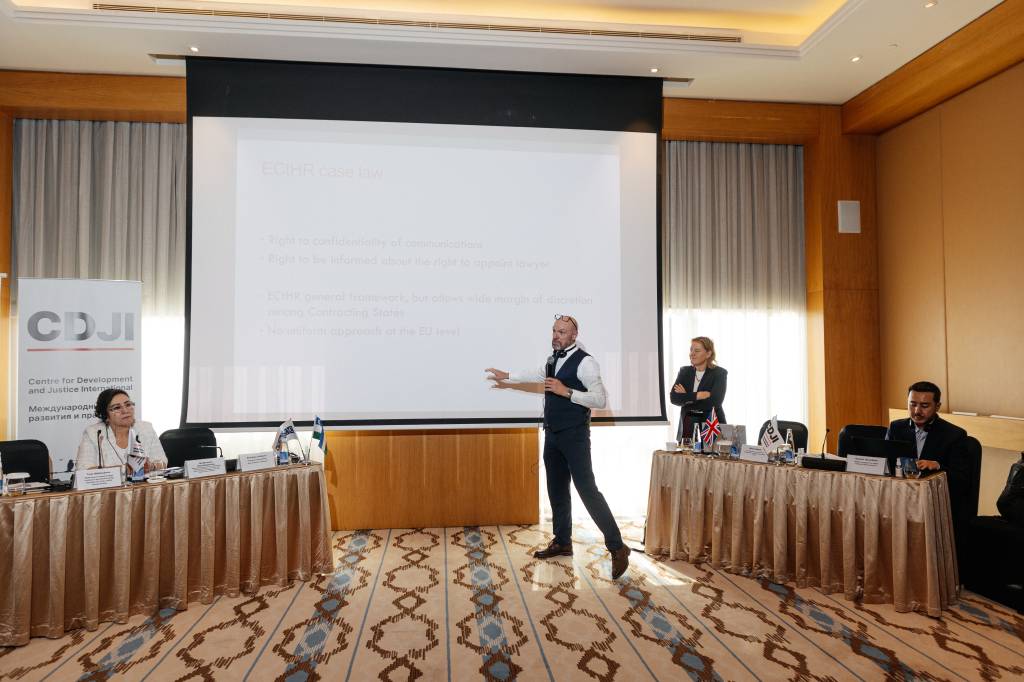
British expert – a former police officer and trainer in international interviewing standards – introduced participants to the P.E.A.C.E. model, a modern, ethical, and evidence-based approach to conducting interviews without coercion or pressure. 

Through practical exercises, participants honed their interviewing skills, emphasizing trust, respect, and transparency. Special attention was given to international standards such as the Mendez Principles, which help prevent torture and other forms of ill-treatment.

Discussions highlighted the fact that respect for human rights begins in everyday practice: in how an investigator asks questions, how a prosecutor evaluates evidence, and how a judge makes decisions. At the conclusion of the training, participants noted that the knowledge gained would help make criminal proceedings in Uzbekistan even fairer and more firmly rooted in adherence to the rule of law and the protection of human dignity.

UzA

English
Chinese
Turkish
Tajik
Kyrgyz
Turkmen
Japanese
Arabic
English
French
Spanish
Русский
German
Ўзбек
Oʻzbek
Қазақ
OSCE shares international experience for the effective protection of human rights in court and during detention

On 11-12 November,Tashkent hosted a workshop on “Ensuring Procedural Safeguards and the Protection of the Rights of Individuals in Criminal Proceedings”, organized by the OSCE Project Co-ordinator in Uzbekistan in cooperation with the Centre for Development and Justice (CDJI).

Representatives of law enforcement, the judiciary, and the defence bar learned international best practices and discussed how to make criminal proceedings fairer, more transparent, and more humane.

The training was delivered by international experts from the Centre for Development and Justice (CDJI) from countries such as Spain, the Netherlands, and the UK.

They provided an overview of constitutional safeguards and the so-called Miranda Rights – the rights of individuals to know the charges against them, to remain silent, and to have access to a lawyer during detention. These rules originated in the United States following the 1966 case of Ernesto Miranda and have since become a symbol of fair treatment for suspects. Participants discussed how such safeguards can be applied in criminal proceedings in Uzbekistan, ensuring that every detainee clearly understands their rights and can fully exercise them.

British expert – a former police officer and trainer in international interviewing standards – introduced participants to the P.E.A.C.E. model, a modern, ethical, and evidence-based approach to conducting interviews without coercion or pressure. 

Through practical exercises, participants honed their interviewing skills, emphasizing trust, respect, and transparency. Special attention was given to international standards such as the Mendez Principles, which help prevent torture and other forms of ill-treatment.

Discussions highlighted the fact that respect for human rights begins in everyday practice: in how an investigator asks questions, how a prosecutor evaluates evidence, and how a judge makes decisions. At the conclusion of the training, participants noted that the knowledge gained would help make criminal proceedings in Uzbekistan even fairer and more firmly rooted in adherence to the rule of law and the protection of human dignity.

UzA