

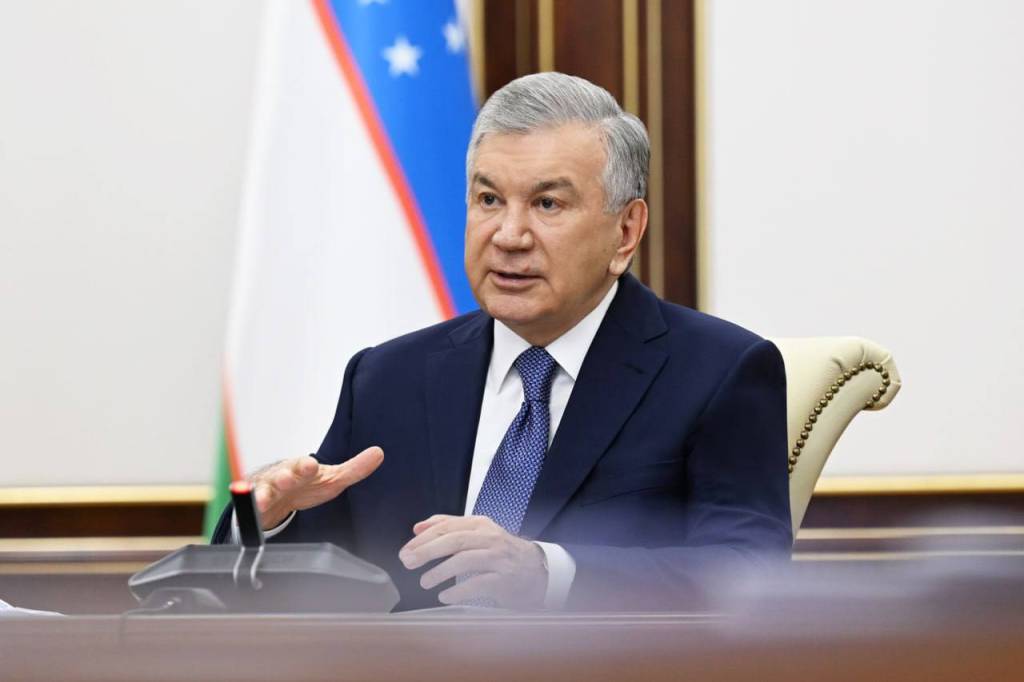
President Shavkat Mirziyoyev was briefed on the ongoing efforts and the 2026 objectives aimed at containing inflation and maintaining macroeconomic stability.
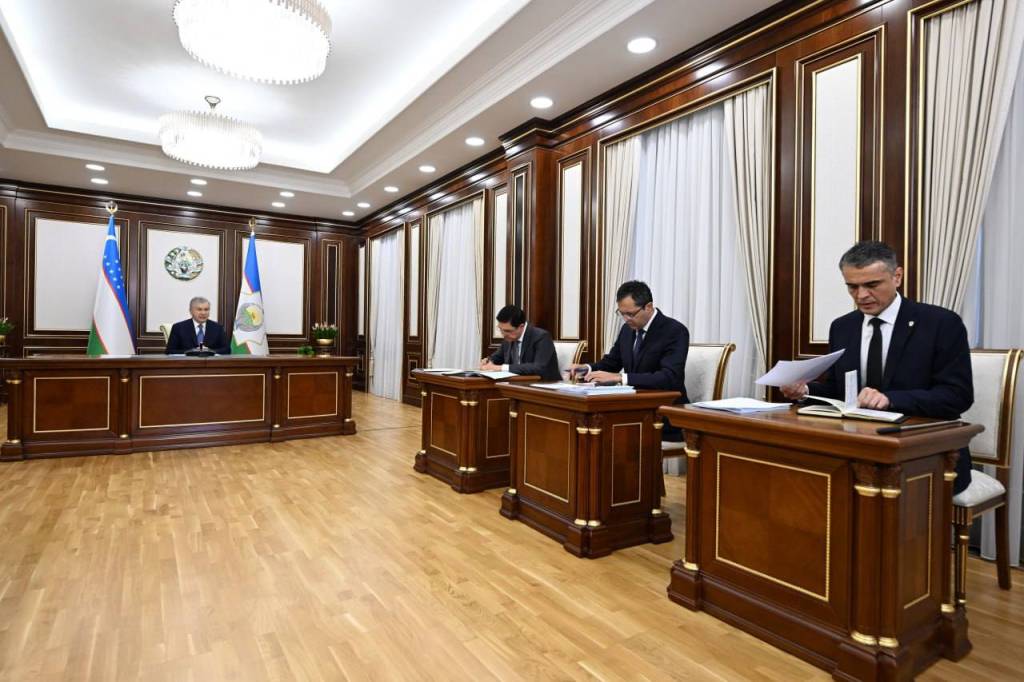
It was noted that consistent work to saturate the domestic market and curb inflationary factors has ensured steady economic growth, yielding positive results in reducing inflation and strengthening the national currency.
As of November 1, 2025, the annual inflation rate had decreased to 7.8 percent, compared to 10.2 percent a year earlier. In 2026, the goal is to lower this figure to 7 percent, and by 2027, to keep it within 5 percent.
To achieve these objectives, particular attention will be given to stimulating the supply of goods and services in the domestic market. In 2026, banks are expected to expand financing for projects in the agricultural sector, the food industry, and the services sphere.
At the meeting, the importance of taking all necessary measures to ensure price stability for essential food products was emphasized.
Next year, the volume of lending to the economy by commercial banks is expected to reach 450 trillion UZS, aimed at ensuring high growth rates and employment.
The Head of State was informed about the progress in implementing measures to support micro, small, and medium-sized businesses. Since the beginning of the year, 116 trillion UZS in loans have been provided to business entities, 1.4 times more than during the same period last year.
Through work carried out directly in mahallas, business initiatives of 89,000 individuals have been supported with loans totaling 1.1 trillion UZS. By the end of the year, this number is expected to reach 100,000 beneficiaries.
In 2026, efforts to reduce poverty and actively involve the population in entrepreneurship will continue. The volume of lending to micro, small, and medium-sized businesses is projected to increase to 140 trillion UZS, supporting another 100,000 projects.
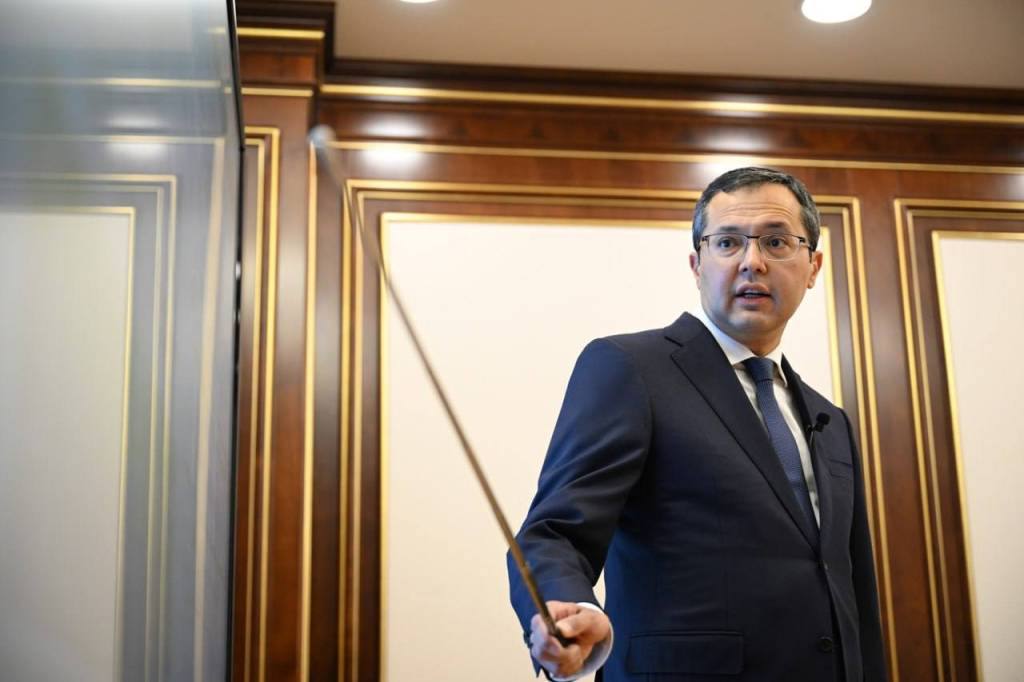
In conclusion, the President emphasized that the main objective of banking and financial policy must remain the creation of a stable economic environment for the population and businesses, the strengthening of trust in the banking system, and the fostering of healthy competition in the financial market.
Additional instructions were given to responsible officials regarding inflation control, support for entrepreneurial initiatives, and the reinforcement of the country’s macroeconomic stability.
UzA