
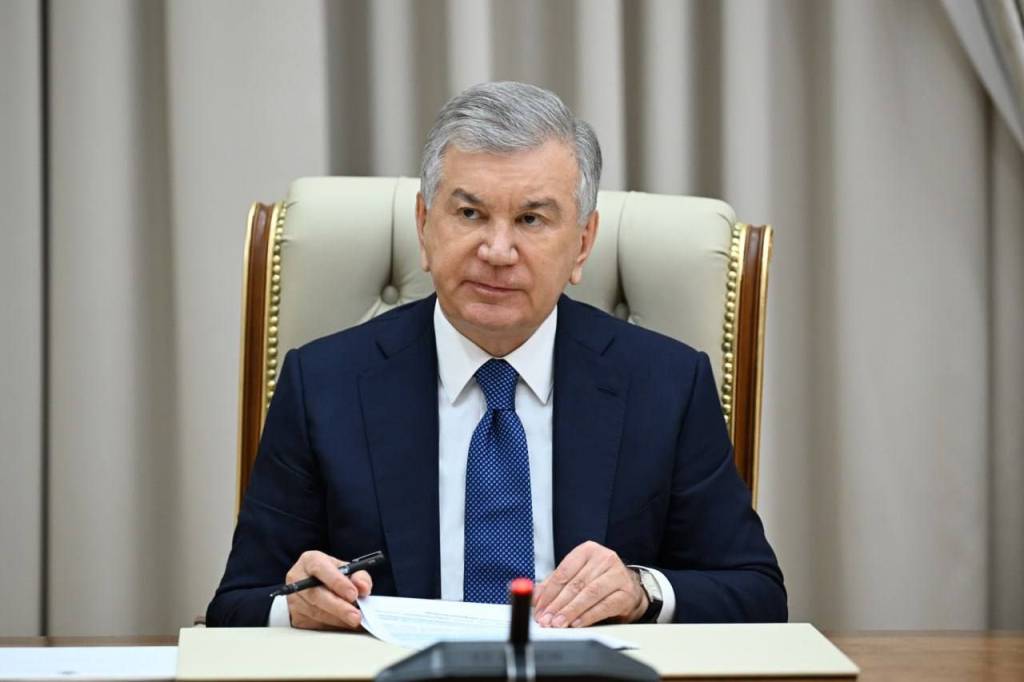
President Shavkat Mirziyoyev reviewed proposals for improving the system of support for socially vulnerable groups, expanding comprehensive social and rehabilitation services in the regions, and protecting children from all forms of violence.

Measures were considered to identify low-income families and families at risk of poverty, and to organize social assistance and services within a unified system that accounts for the population’s real needs.

Over the past period, the Unified Social Protection Register has assessed the social situation of 1,8 million families, of which 739 thousand, including low-income and near-poverty families, have been included in the register. They have been granted benefits and various types of material assistance.
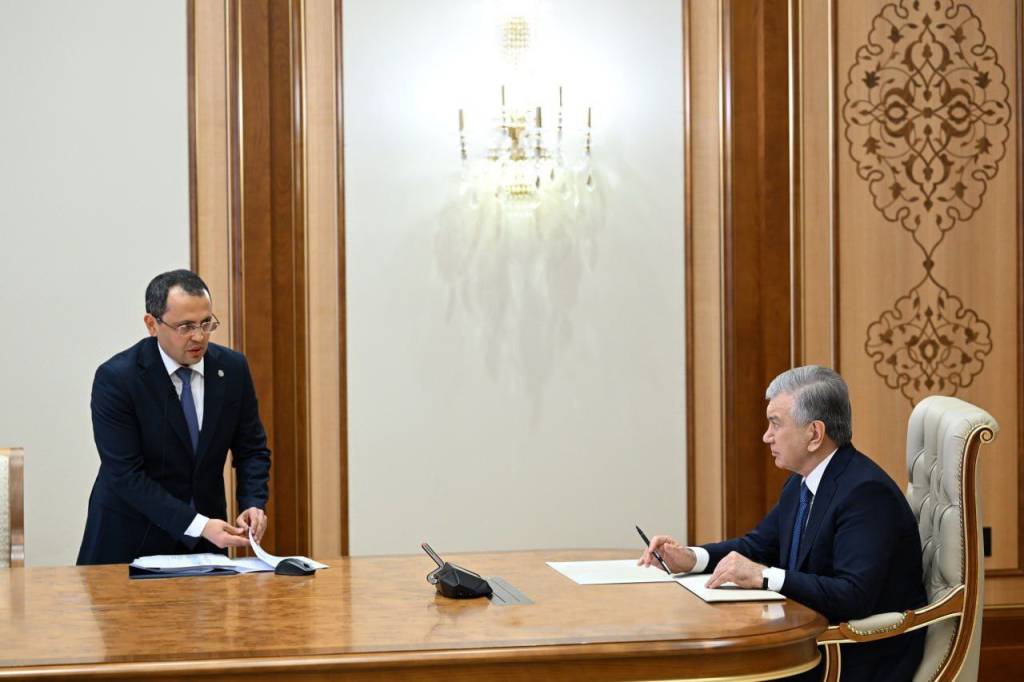
To improve this work, it is planned to create a Social Register based on the Unified Social Protection Register and the Register of Poor Families. Families will be classified by socio-economic status as receiving state support, being low-income, or being on the verge of poverty. Appropriate support measures and social service types will be determined for each category.

Social support will be provided through a differentiated approach, taking into account population income levels and employment opportunities.

In particular, for specific categories of families with disabilities, social assistance will be provided without requiring compulsory employment. At the same time, the “Mahalla of Seven” will be given the right to include in the Social Register families whose members are limited in their ability to work or are in difficult life situations.

In addition, measures are planned to increase the incomes of registered families, provide social services in healthcare, employment, housing, and related areas, and engage non-disabled family members in employment and entrepreneurial activities.

To expand comprehensive social and rehabilitation services for people in need across the regions, it has been proposed to establish regional social service centers. Twenty such centers are planned to open in 2026-2027. They will provide comprehensive care, supervision, habilitation, rehabilitation, and training services.
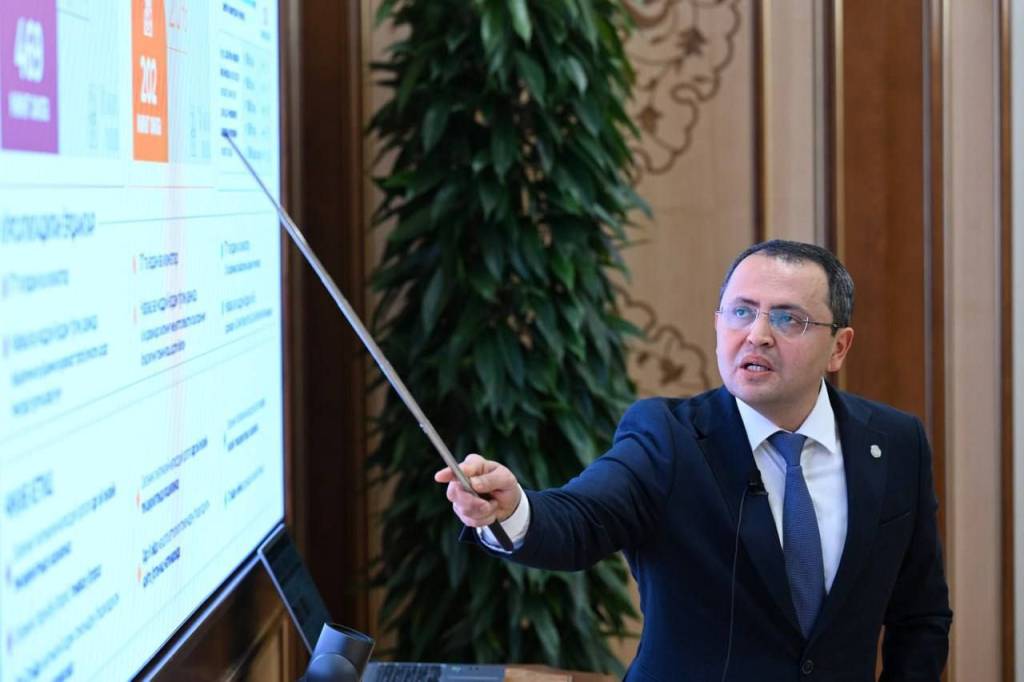
The centers are expected to serve persons with disabilities, citizens in need of outside care, and single persons. The development of day care services is expected to reduce the number of persons permanently placed in social institutions.

At the same time, plans are underway to digitize service delivery, introduce electronic referrals, and ensure continuous monitoring of the quality of care.

The President was also presented with information on the 2026-2030 strategy for protecting children from all forms of violence. 

The main goal of the strategy is to create a safe and violence-free environment for children, to identify children at risk at an early stage, and to provide comprehensive assistance to children who have been victims or witnesses of violence.

The strategy identifies priority areas for the prevention of violence against children, early work with families and children at risk, and the provision of social, psychological, educational, and legal services to children and their families.

The document outlines the introduction of small-scale “open” centers for working with children, the development of individual plans for each child, and measures to ensure access to education and social integration.

To strengthen the legal protection of children, tasks have been identified to ensure the child’s interests in procedural matters, provide specialized training for professionals working with children, and strengthen interagency cooperation on child protection issues.

In addition, the strategy provides for expanding coverage of socially vulnerable children through education, developing alternative placement mechanisms, providing career guidance, and implementing measures to support children’s social adaptation.

In working with families, specific tasks have been identified to reduce the risks of violence against children, support parents, and organize psychological and social assistance.

Another essential part of the strategy is to create a single electronic platform for child social protection and to introduce a unified system for recording and monitoring cases of violence against children.

The President instructed the responsible agencies to ensure a systematic approach to implementing planned tasks in social protection and child protection, and to maintain constant oversight of the implementation of these measures.

UzA

English
Chinese
Turkish
Tajik
Kyrgyz
Turkmen
Japanese
Arabic
English
French
Spanish
Русский
German
Ўзбек
Oʻzbek
Қазақ
Issues of expanding social services coverage in the regions and child protection are reviewed

President Shavkat Mirziyoyev reviewed proposals for improving the system of support for socially vulnerable groups, expanding comprehensive social and rehabilitation services in the regions, and protecting children from all forms of violence.

Measures were considered to identify low-income families and families at risk of poverty, and to organize social assistance and services within a unified system that accounts for the population’s real needs.

Over the past period, the Unified Social Protection Register has assessed the social situation of 1,8 million families, of which 739 thousand, including low-income and near-poverty families, have been included in the register. They have been granted benefits and various types of material assistance.

To improve this work, it is planned to create a Social Register based on the Unified Social Protection Register and the Register of Poor Families. Families will be classified by socio-economic status as receiving state support, being low-income, or being on the verge of poverty. Appropriate support measures and social service types will be determined for each category.

Social support will be provided through a differentiated approach, taking into account population income levels and employment opportunities.

In particular, for specific categories of families with disabilities, social assistance will be provided without requiring compulsory employment. At the same time, the “Mahalla of Seven” will be given the right to include in the Social Register families whose members are limited in their ability to work or are in difficult life situations.

In addition, measures are planned to increase the incomes of registered families, provide social services in healthcare, employment, housing, and related areas, and engage non-disabled family members in employment and entrepreneurial activities.

To expand comprehensive social and rehabilitation services for people in need across the regions, it has been proposed to establish regional social service centers. Twenty such centers are planned to open in 2026-2027. They will provide comprehensive care, supervision, habilitation, rehabilitation, and training services.

The centers are expected to serve persons with disabilities, citizens in need of outside care, and single persons. The development of day care services is expected to reduce the number of persons permanently placed in social institutions.

At the same time, plans are underway to digitize service delivery, introduce electronic referrals, and ensure continuous monitoring of the quality of care.

The President was also presented with information on the 2026-2030 strategy for protecting children from all forms of violence. 

The main goal of the strategy is to create a safe and violence-free environment for children, to identify children at risk at an early stage, and to provide comprehensive assistance to children who have been victims or witnesses of violence.

The strategy identifies priority areas for the prevention of violence against children, early work with families and children at risk, and the provision of social, psychological, educational, and legal services to children and their families.

The document outlines the introduction of small-scale “open” centers for working with children, the development of individual plans for each child, and measures to ensure access to education and social integration.

To strengthen the legal protection of children, tasks have been identified to ensure the child’s interests in procedural matters, provide specialized training for professionals working with children, and strengthen interagency cooperation on child protection issues.

In addition, the strategy provides for expanding coverage of socially vulnerable children through education, developing alternative placement mechanisms, providing career guidance, and implementing measures to support children’s social adaptation.

In working with families, specific tasks have been identified to reduce the risks of violence against children, support parents, and organize psychological and social assistance.

Another essential part of the strategy is to create a single electronic platform for child social protection and to introduce a unified system for recording and monitoring cases of violence against children.

The President instructed the responsible agencies to ensure a systematic approach to implementing planned tasks in social protection and child protection, and to maintain constant oversight of the implementation of these measures.

UzA