Tourism is continuing to develop in Navoi
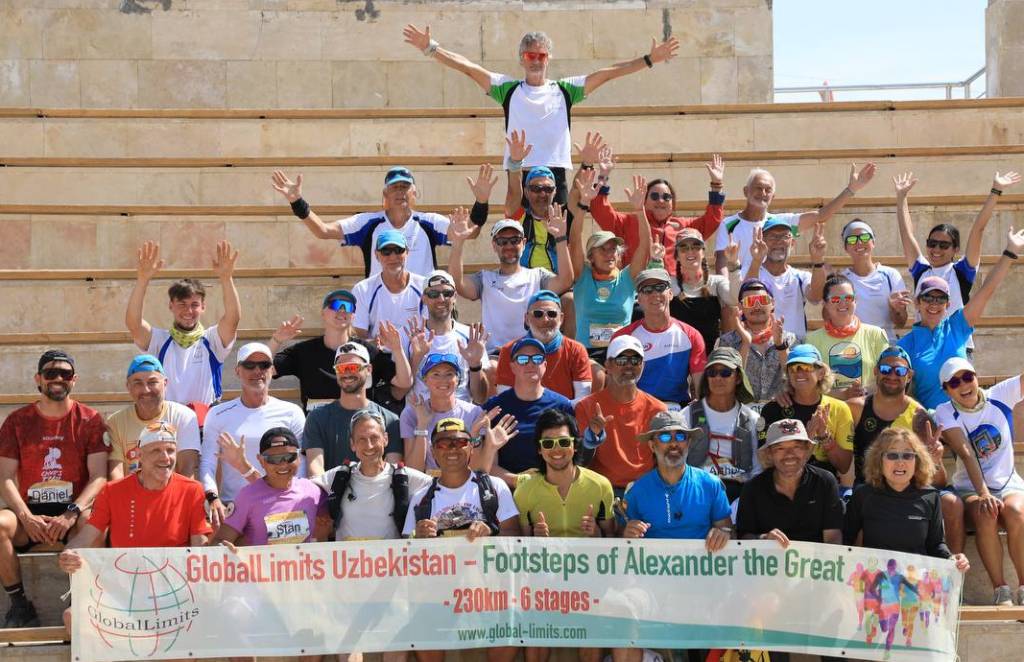
Reforms aimed at developing the tourism sector in Navoi region, making effective use of the tourism potential of its territories, and creating new sources of income for the population are continuing steadily.
As a result, nearly 2.7 million tourists visited the region in the first eight months of 2026. Of these, 443,200 were foreign visitors and 2.236 million were domestic tourists. The region aims to reach 3.6 million total visitors by the end of the year.
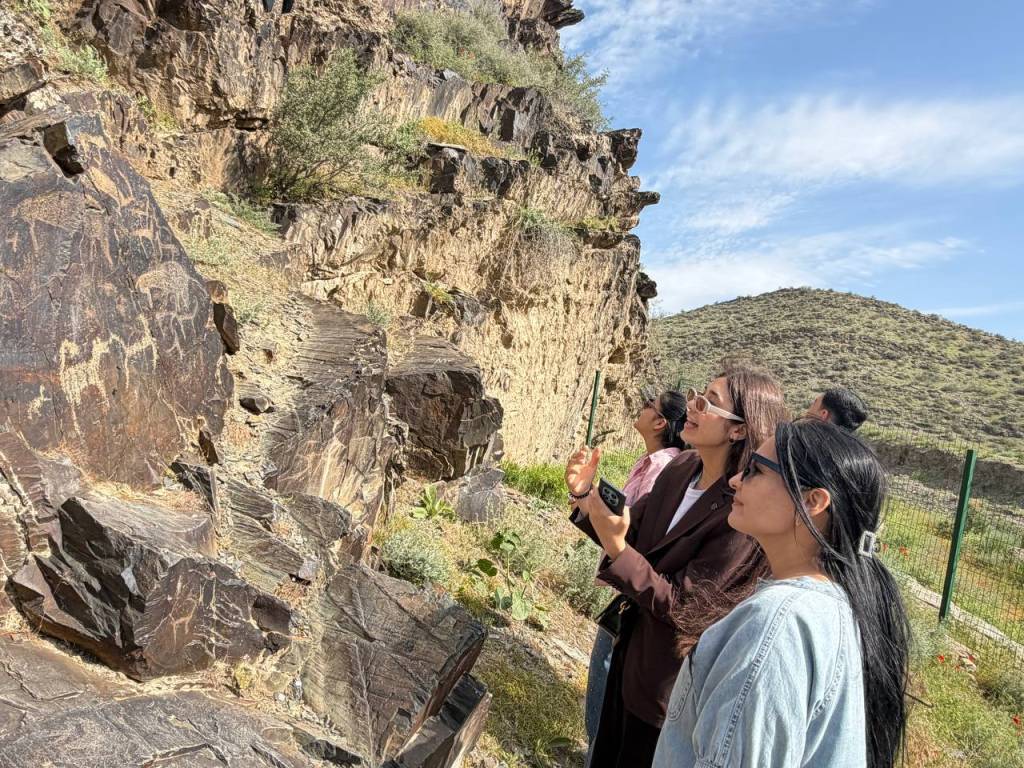
“Entrepreneurial and investment activity in the sector is also increasing”, said Komiljon Normamatov, Head of the Regional Tourism Department. “In the first eight months of 2026, 64 new accommodation facilities were established, including hotels, guesthouses, hostels, and yurt camps. This brought the region’s total to 368 accommodation facilities. The number of tourism organizations also reached 105. These facilities not only provide comfortable conditions for tourists but also create new jobs and business opportunities for residents. By the end of the year, 26 tourism projects worth 246 billion UZS are planned to be implemented, creating 345 new jobs”.
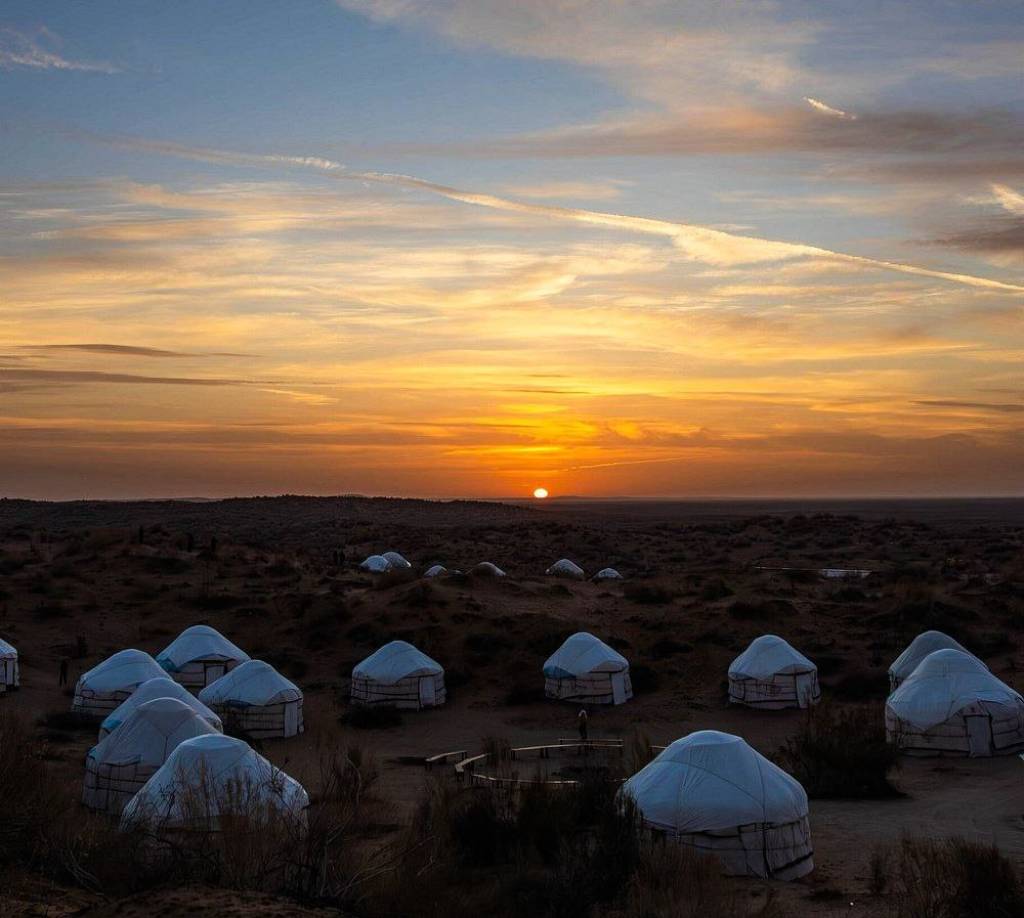
Particular attention is also being paid to specializing tourist destinations in the region. One key step in this direction was designating Qizilqum Safari LLC and Sputnik Navoi LLC as among the first entities in the country to receive Tourism Cluster status. These clusters are expanding opportunities to integrate tourism services, attract investment, and create comprehensive tourism products in the region.
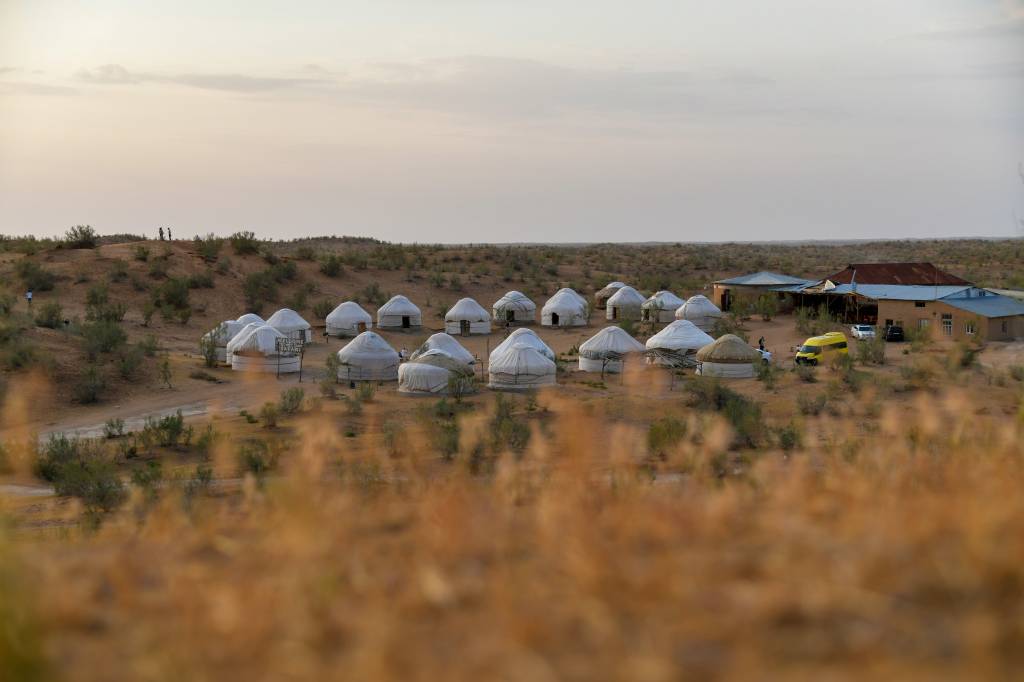
Over the past three years, six tourism villages have been established in the region, with guesthouses, campsites, and modern tourism services being developed in Sentob, Langar, Angidon, Chuya, Kichiksoy, and Mushkan. In Sentob alone, the number of business entities has risen from two in 2020 to more than 70 today. The village’s inclusion in the World Tourism Organization’s “Best Tourism Villages” list has strengthened its international tourism potential.
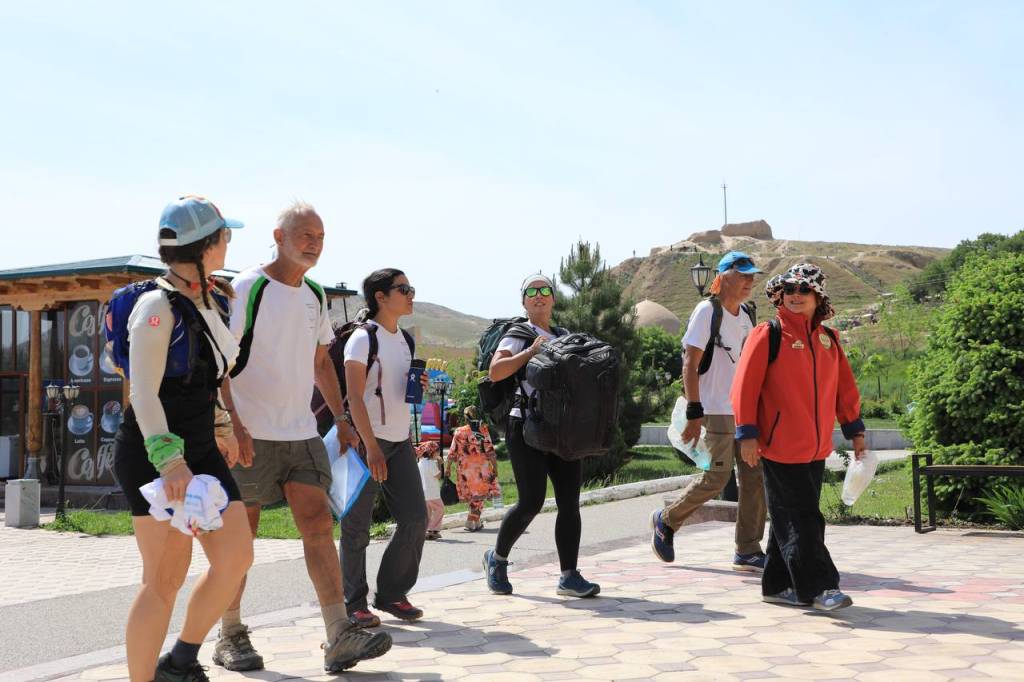
Tourism infrastructure and services have also expanded in Langar and Angidon areas of Khatirchi district, leading to a significant increase in tourist arrivals. Campsites and guesthouses have been established in these areas, along with modern tourism activities such as mountain hiking, ziplining, and tubing. As a result of measures implemented in 2025 alone, these communities welcomed 23,000 foreign and 317,000 domestic tourists.
New initiatives are also underway to promote safari, ecotourism, and desert tourism in Qizilqum desert. Plans are underway to transform the Yangiqazgan settlement in Kanimekh district into a tourism village and to organize the Qizilqum Desert festival there. These initiatives are expected to create new tourist routes and expand the market for tourism services.
Another key area of tourism sector reform is improving infrastructure that connects to tourist destinations. In 2026, 38 billion UZS was allocated to 11 projects, including repairs to 20.5 kilometers of roads, construction of 15 kilometers of pedestrian walkways and five bridges, expanded electricity networks, and improvements to the drinking water supply.
Projects to create modern recreational spaces for residents and tourists are also underway in Navoi. Plans include reconstructing Alisher Navoi Culture and Recreation Park and the Aquapark and its surrounding areas, expanding green spaces, and developing a modern 1.5-kilometer beach along the shore of Yoshlik Lake. Improvements to utilities, roads, retail, services, and other facilities in the New Navoi town and New Uzbekistan Park areas will create new opportunities for urban tourism.
By the end of the year, several projects are expected to be implemented, including the establishment of the “Patterns and Lights” National Embroidery Center in Nurata, the reconstruction of the Chashma complex and several pilgrimage sites, the transformation of the ancient karez underground water systems into tourist attractions, and the creation of the “Ancient Karmana” Tourist Center in Karmana. Measures are also underway to restore historical and cultural heritage sites, develop medical and water-based tourism in Khatirchi, and establish new tourist areas along Aydarkul Lake and the Zarafshan River.
To better align tourism development with employment and household incomes, plans are underway to convert homes into family-run guesthouses in 15 tourism mahallas across the Nurata and Khatirchi districts.
Overall, tourism reforms in Navoi are not only increasing tourist arrivals but also creating new jobs, promoting entrepreneurship, improving local infrastructure, and preserving cultural heritage. Combining the region’s potential for desert, mountain, pilgrimage, ethno, and ecotourism is laying the groundwork for Navoi to emerge as one of the country’s new tourism hubs.
A. Buriyev, UzA