The ancient city’s international recognition
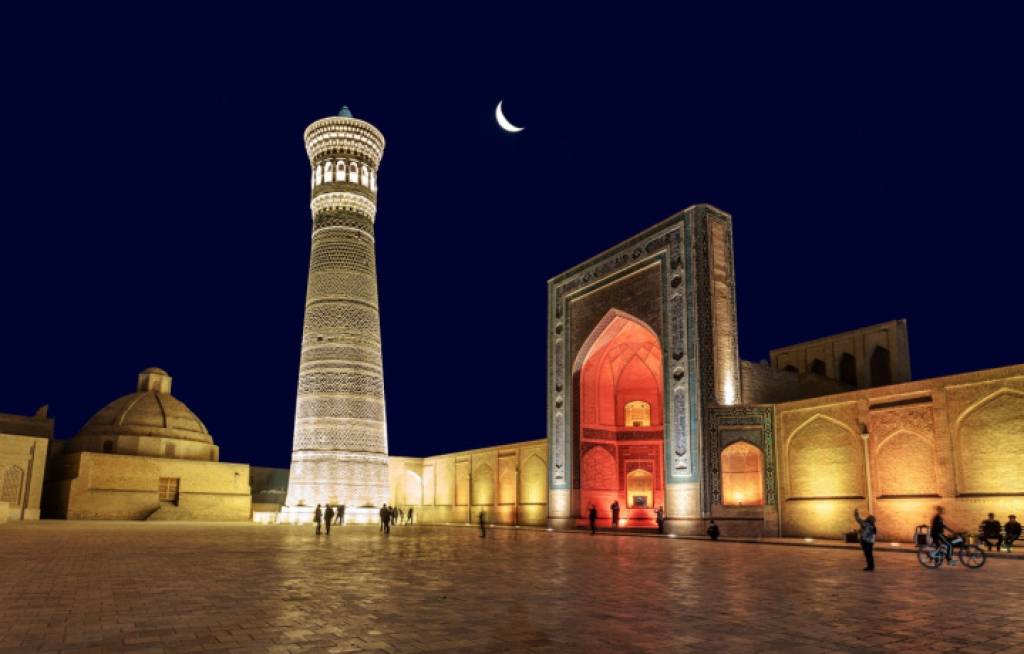
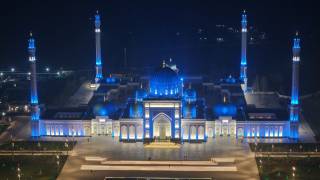
Bukhara not only preserves its history but also weaves it seamlessly into modern life. For centuries, science, architecture, literature, music, crafts, and trade flourished here, making the city a major center of Eastern civilization. Today, this rich spiritual and cultural heritage blends with a modern creative economy, tourism, and international cooperation, opening up new possibilities for the city’s development.
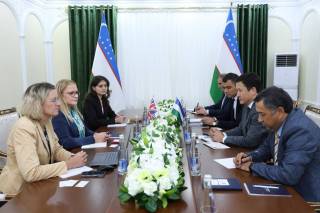
In this context, UNESCO’s selection of Bukhara to host the Creative Cities Network’s international conference in 2027 is far more than a routine event. It recognizes the city’s historical and cultural significance, its centuries-old craft traditions, its creative environment, and its place in international cultural relations. Alongside preserving cultural heritage, Uzbekistan continues to pursue large-scale reforms to make this heritage a key resource for modern development and to showcase the tourism and creative potential of its regions more broadly. Efforts initiated by the Head of State to develop tourism as a strategic economic sector, support traditional crafts and creative industries, and promote historic cities internationally are clearly reflected in Bukhara’s growing standing today.
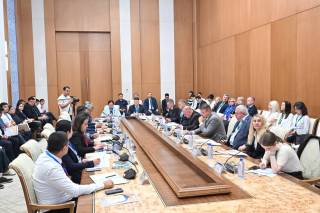
The international conference scheduled for Bukhara in 2027 is expected to bring together representatives of 408 Creative Cities from around 110 countries. These figures alone convey the event’s scale. Representatives from cities worldwide that integrate creativity, culture, design, crafts, literature, music, media, and other creative fields into urban development will gather in one place. For several days, Bukhara will be more than just the host city: it will become an important platform for cities worldwide to exchange ideas, experiences, and initiatives. This is a major opportunity for all of us. During the conference, foreign delegations will be able not only to visit the city’s historical monuments, but also to experience its vibrant cultural atmosphere, traditional crafts, mentorship traditions, contemporary creative figures, and younger-generation representatives.
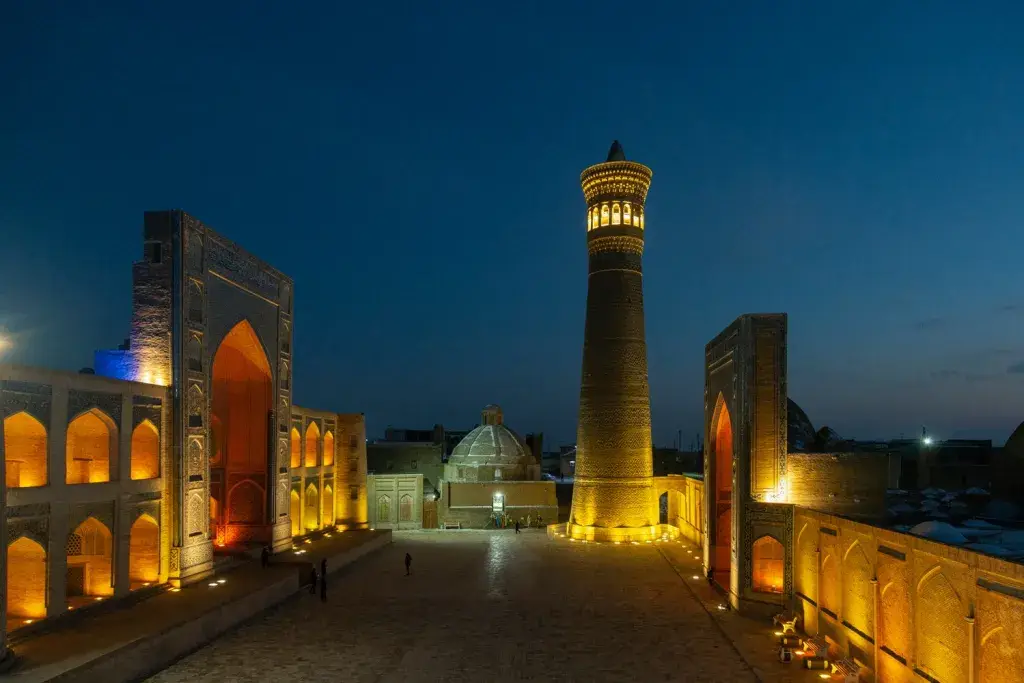
Bukhara’s creative potential extends beyond its historical monuments. Its greatest asset is its vibrant cultural life. For centuries, crafts such as coppersmithing, jewelry making, pottery, gold embroidery, needlework, carpet weaving, and wood carving have been passed down through generations. Every pattern, handmade item, and workshop reflects a distinct history, tradition, and way of life. Today, new opportunities are emerging to bring these traditions together with modern design, digital technologies, e-commerce, international marketing, and the creative industries.
The UNESCO conference could give this process fresh impetus. Through international exchanges, Bukhara’s artisans and creative professionals can learn about global trends, build ties with foreign partners, access new markets, and promote their creative products internationally.
Hosting the international Creative Cities Network conference in Bukhara is also a major boost for tourism. Today’s travelers want more than just a visit to a monument: they want to experience a city’s spirit, understand its culture, meet local people, and enjoy something distinctive.
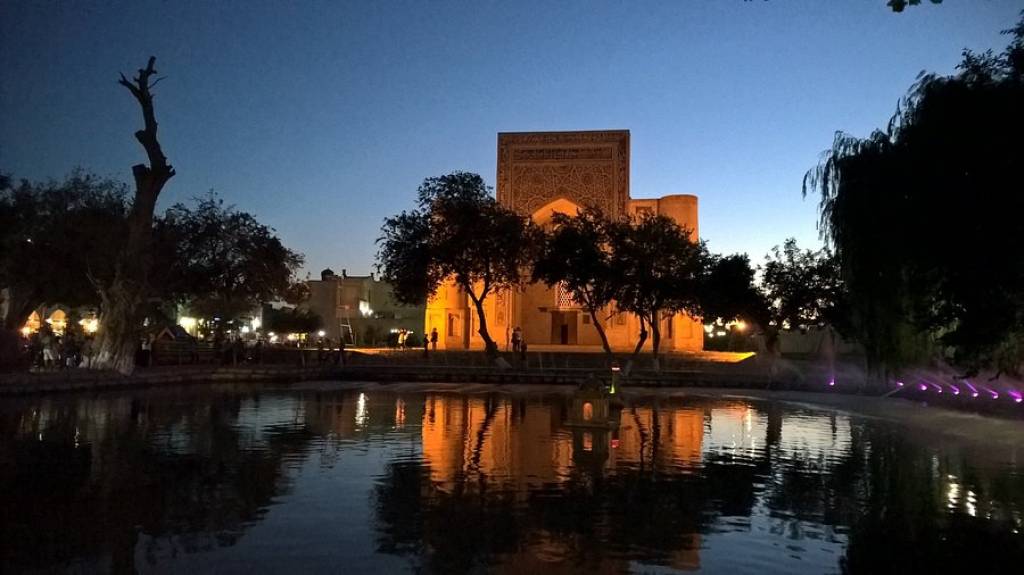
The atmosphere of Labi Hovuz, together with its ancient bazaars, trading domes, madrasas and mosques, artisans’ workshops, national cuisine, traditional arts, and contemporary creativity, creates a cohesive cultural experience for visitors. The conference can therefore be seen not simply as a one-off international event, but as an important opportunity to strengthen the city’s emerging tourism brand.
Today, Bukhara is portrayed as a place where its historical heritage meets the economy of the future. Here, traditional crafts can grow into new businesses, cultural heritage can become a tourism resource, creativity can create new jobs, and international engagement can lead to new partnerships.
Orash Akaboyev, UzA