Proposals to reform the liquefied gas supply system have been reviewed
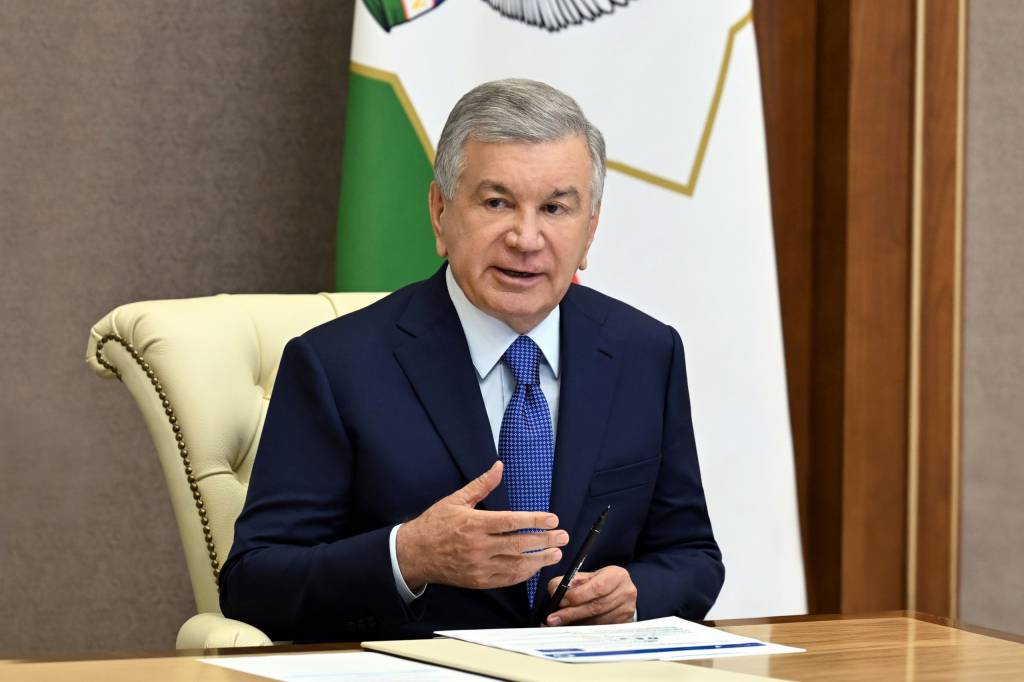
President Shavkat Mirziyoyev was briefed on proposals to reform the liquefied gas supply system for residents.
Liquefied gas is vital for supplying energy to residents in areas lacking access to the natural gas network. As a result, its prompt, safe, and dependable delivery is essential for daily life, social facility operations, and overall living conditions in these regions.
The balance of liquefied gas resources and distribution, the current supply system, price formation, subsidies, and their impact on the population were analyzed during the presentation.
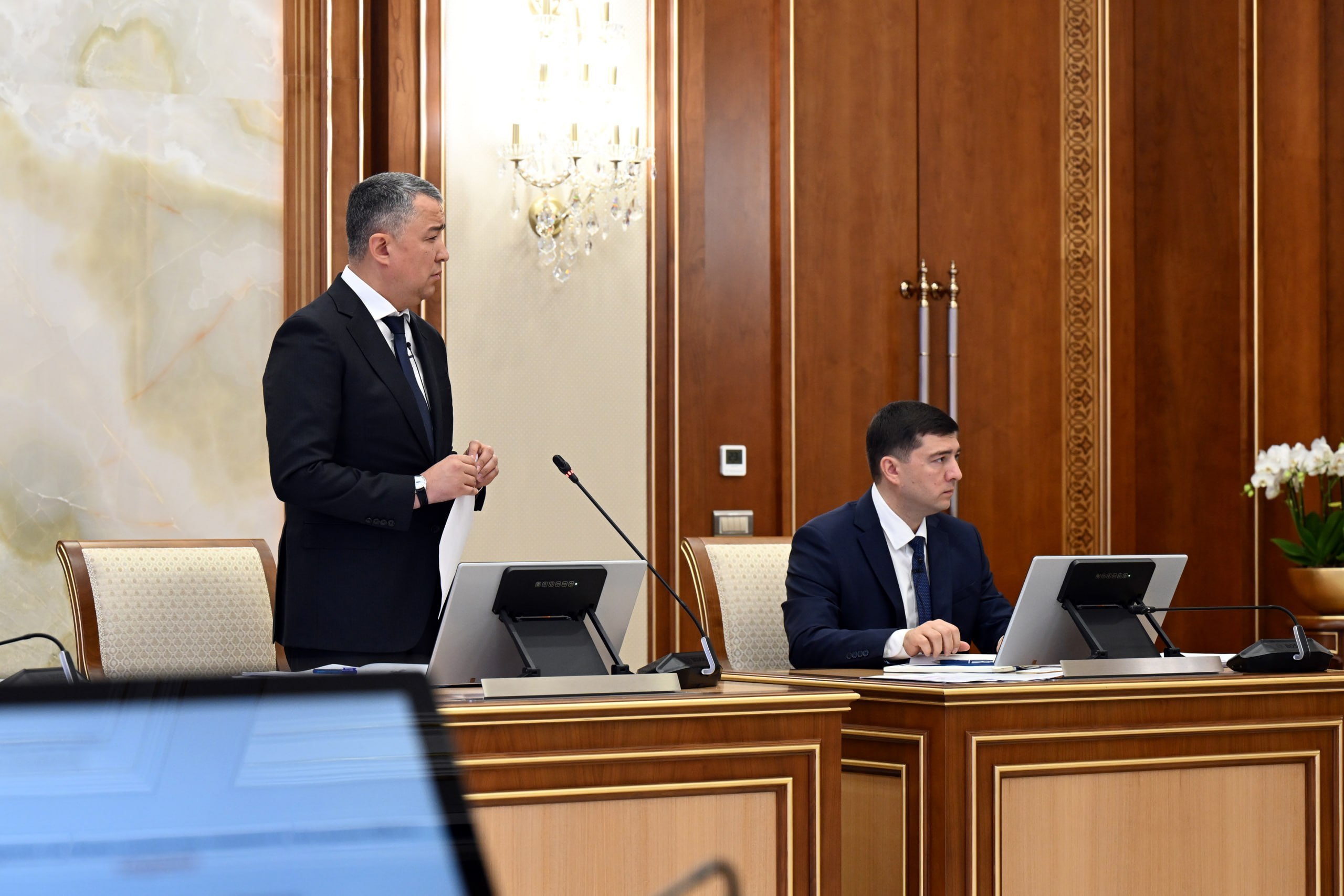
According to the data, approximately 3.8 million people and nearly 2,000 social facilities across the country receive liquefied gas. This year, 604.8 thousand tons of liquefied gas are planned to be supplied to meet the needs of the population and social facilities.
It was noted that several problems persist in the current system. In some regions, liquefied gas is not reaching consumers within the established timeframe. As a result, the population is forced to purchase what they need from automotive gas filling stations at market prices.
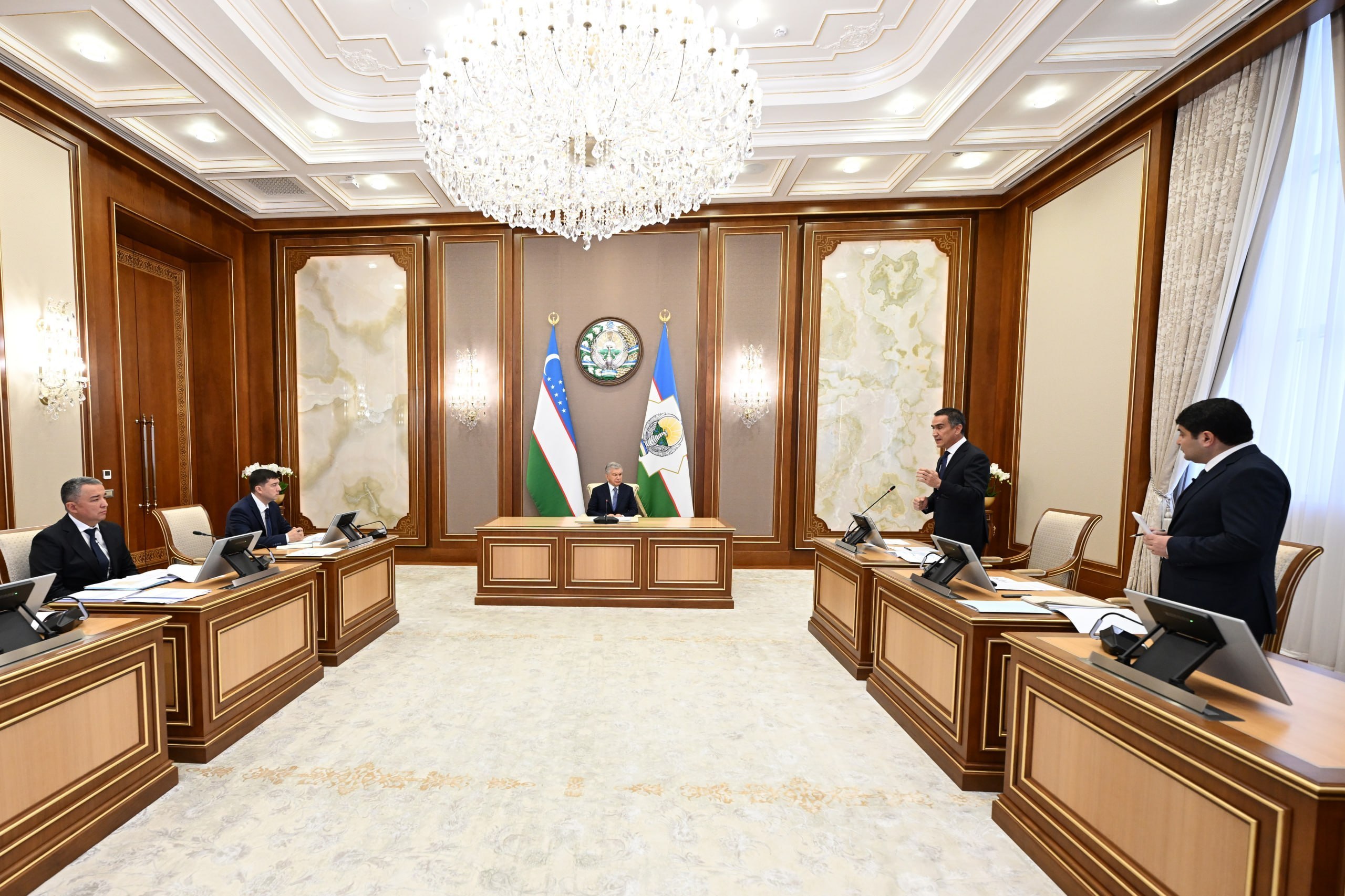
Analysis shows that 22 percent of consumers receive liquefied gas at intervals longer than 46 days. In these cases, some families’ monthly expenses are several times higher than the regulated price.
Currently, liquefied gas is provided to the public and social facilities at discounted rates. Meanwhile, the disparity between production, import, procurement, and delivery costs continues to grow annually, boosting the need for budget subsidies.
The Head of State emphasized that prioritizing the people’s interests is essential. He highlighted the importance of delivering liquefied gas promptly, avoiding supply disruptions, and supporting families requiring social assistance.
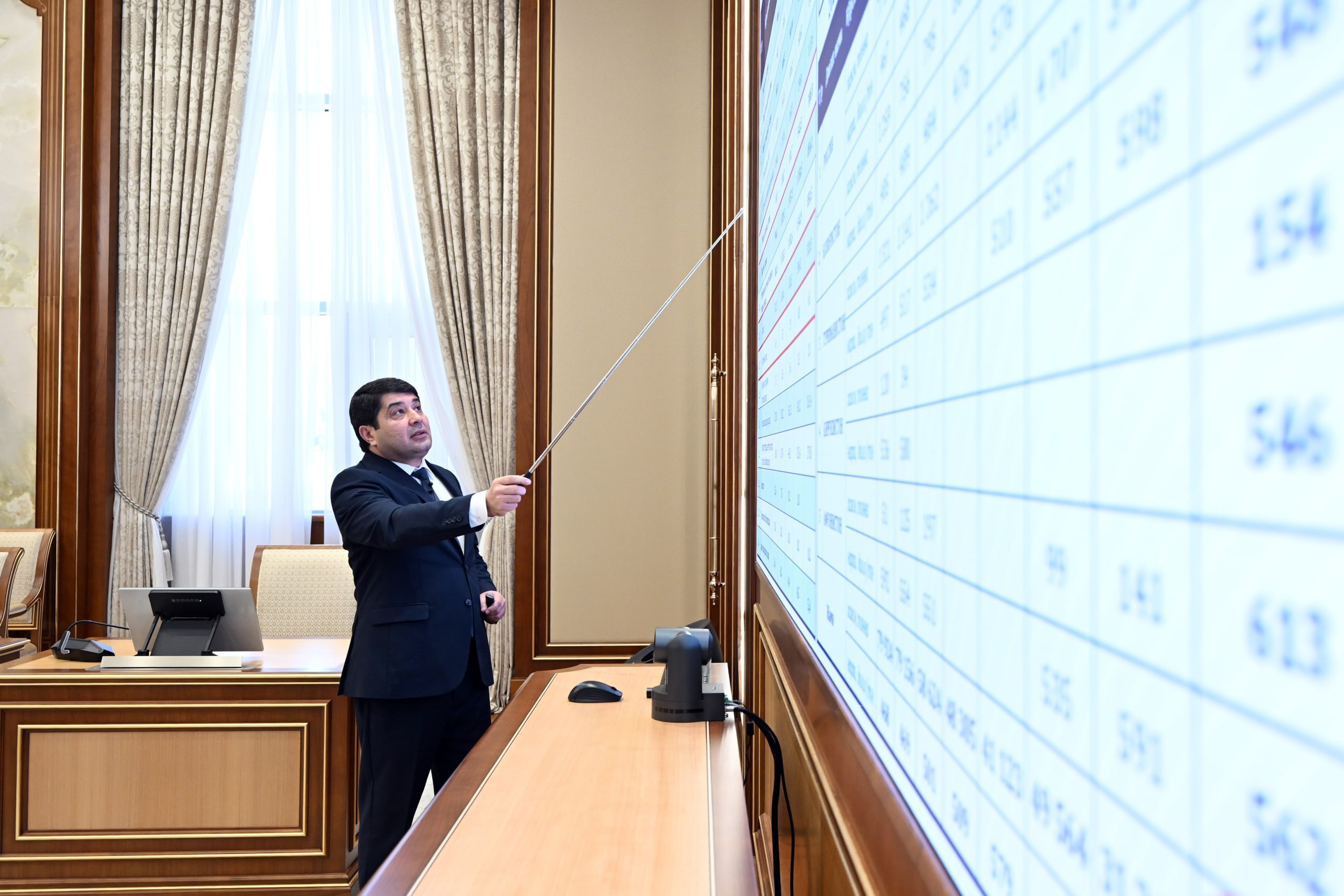
To this end, proposals have been developed to implement the phased reform of the liquefied gas supply system.
To reorganize the system for supplying liquefied gas to the population, it is proposed to establish LPG-Trade LLC, founded by Hududgazta'minot. This entity will be responsible for purchasing liquefied gas through the exchange and delivering it to the public in the prescribed manner.
Therefore, the effective operation of economically sound mechanisms will be ensured when setting the retail price of liquefied gas. In this process, compensation will be paid to socially vulnerable segments of the population for each kilogram of liquefied gas purchased.
This approach will gradually regulate the pricing policy and establish targeted support mechanisms for families in need. Allocating funds from the state budget directly to specific consumers, rather than providing a broad subsidy, will enhance both fairness and efficiency.
A procedure is also planned to address the negative difference – resulting from supplying liquefied gas to social sector facilities at exchange prices and selling it to the public at regulated prices – by using funds from the country’s budget.
Particular attention was paid to expanding private-sector participation. A pilot project is planned for Andijan region to involve private operators in the liquefied gas supply process.
In this process, operators must hold the necessary licenses and permits and employ qualified engineering and technical personnel; services must be provided by at least two operators; and mobile applications and online services must be made available to consumers. Based on the number of consumers and territorial distances, the establishment of distribution points that meet urban planning norms and fire safety requirements is planned.
The possibility of gradually implementing this experience in other regions will be considered later.
The President highlighted the importance of implementing reforms based on thorough calculations, prioritizing population convenience and social justice.
Officials were instructed to strictly establish a liquefied gas supply schedule, digitize accounting, ensure transparency in distribution, and prevent artificial shortages and unjustified price increases.
The tasks included ensuring timely payment of compensation for socially vulnerable groups, strictly adhering to safety requirements at gas filling facilities and during transportation, and establishing effective control over the activities of private operators.
The reforms are expected to create a transparent and stable liquefied gas supply system, decrease delivery times, enhance service quality for the public, and ensure more targeted and efficient use of budget funds.
Additionally, the presentation included information on the progress of implementing the supplementary instructions issued on September 2 regarding the external infrastructure of the integrated nuclear power plant under construction in Jizzakh region and the construction of an adjacent town.
UzA