New tasks to develop Karakalpakstan and improve people’s well-being
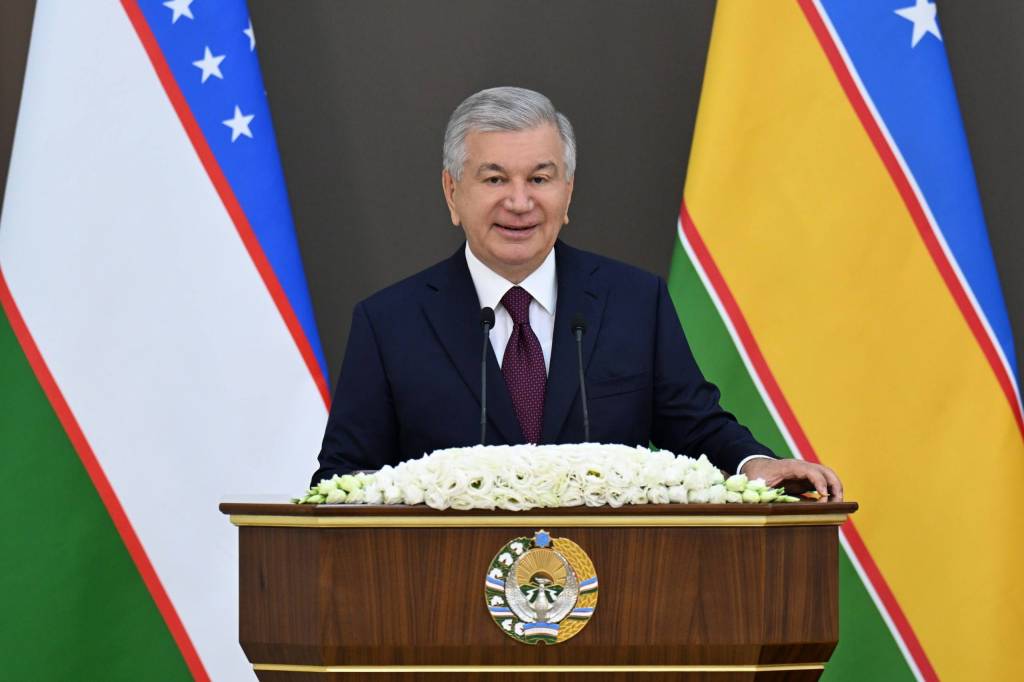
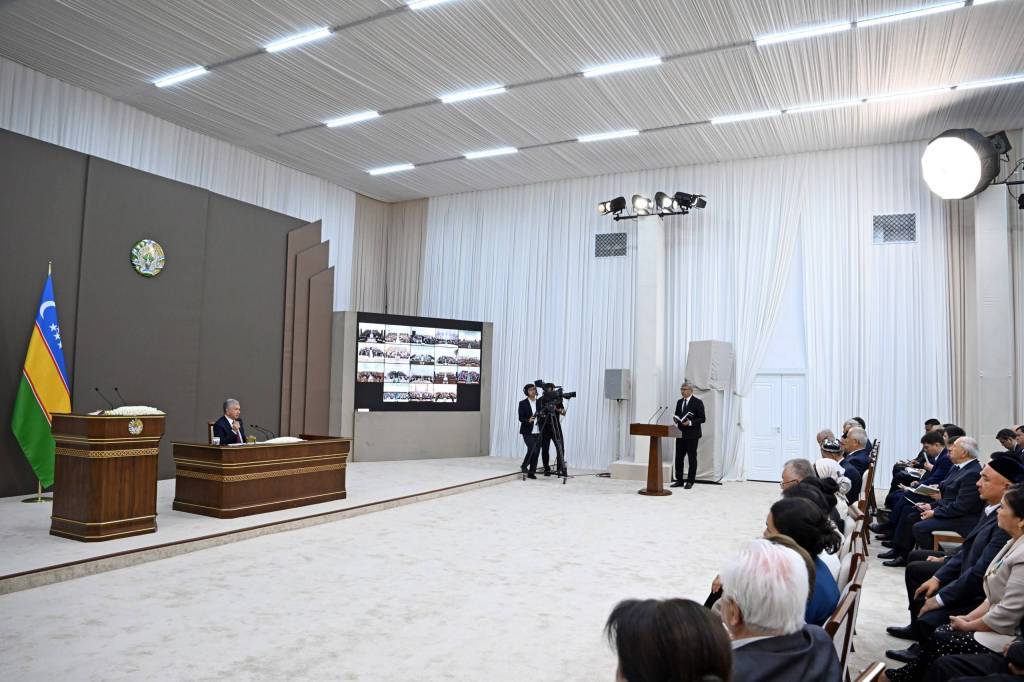
On September 19, President Shavkat Mirziyoyev chaired a meeting in Nukus to discuss Karakalpakstan’s socio-economic development.
In recent years, the region has received substantial funds for development, along with special incentives and favorable conditions. Corporate income, land, and property taxes have been halved, electricity tariffs for industrial enterprises have been reduced by 15 percent, and the social tax rate has been set at 1 percent. Last year, the region attracted $1.7 billion in investment, 22 times more than in 2021. In the first half of this year, the economy grew by 10.2 percent, making Karakalpakstan second only to Tashkent.
A stable energy supply plays a key role in these transformations. In recent years, 860 megawatts of new generating capacity have been commissioned. With the construction of wind power plants in Beruniy and Qorauzak districts, green energy now accounts for 23 percent. Electricity generation has increased fourfold to 5.33 billion kilowatt-hours. This is almost three times the annual consumption of households and enterprises.
During the visit, construction began on 47 projects totaling $7 billion. In particular, a 1,500-megawatt wind power plant worth $2.6 billion will be built in Kungrad district. As part of the project, 1,500 kilometers of high-voltage transmission lines will be laid, and three 500-kilovolt substations will be constructed. By 2030, wind power plants with a total capacity of 3,300 megawatts are planned to be commissioned, the share of green energy is expected to increase to 76 percent, and energy storage capacity of 400 megawatts is planned.
Major projects are also underway in transportation and social infrastructure. A sanatorium has been commissioned in Bozatau district, an oncology and radiology center in Nukus, a children’s hospital and maternity hospital in Kungrad district, amphitheaters in Amudarya and Turtkul districts, and a gymnastics center and a branch of the conservatory in Nukus.
A concrete pavement has been laid on a 240-kilometer section of the A-380 highway through Kungrad district, for $384 million. Construction has also begun on another 92-kilometer section through Turtkul, Ellikkala, and Beruniy districts, valued at $233 million. As a result, transit traffic will increase 1.5-fold, and freight delivery time from Turtkul to the border with Kazakhstan will be reduced from 24 hours to 10 hours. Starting next March, a high-speed train service will be launched between Tashkent and Nukus, cutting travel time from 16 hours to 7 hours. Work will also begin on reconstructing the Tuyamuyin water treatment facility and on constructing a 100-kilometer water pipeline from Kungrad to Muynak.
At the meeting, particular attention was paid to using available land, mineral, and energy resources to produce high-value-added goods. A new industrial and investment map will be developed based on the principle of “from resources to finished products”. The Kungrad – Qorauzak – Takhiatash corridor will be transformed into a green industrial corridor – a triangle of the intellectual economy.
Six projects totaling $8 billion will be implemented in the special zone established for the development of artificial intelligence and data centers. Instructions were given to develop a five-year program and to provide investors with a stable power supply capacity of 1 gigawatt.
Tasks were set to create 1,500 high-paying jobs in Nukus, Kungrad, Qorauzak, and Takhiatash over the next three years, as well as to increase annual exports of cloud technologies and artificial intelligence to $600 million.
It was noted that converting green energy into carbon credits could generate $50-100 million in annual revenue.
Instructions were given to launch this mechanism within a month and to hold negotiations with major importing countries. Proceeds from carbon credit exports will supplement resources allocated for infrastructure development and remain in Karakalpakstan. By the end of the year, a “forest carbon credits” program will be launched on 50,000 hectares in the Aral Sea area.
It was noted that geological exploration has covered only 20 percent of the region’s territory, and investors have not received comprehensive information on raw material reserves. A task was set to establish, within one month, a gold mining and processing cluster that will create 1,000 jobs, develop a comprehensive geological exploration program, and reassess mineral reserves at existing deposits.
At the district level, projects worth at least $150 million will be launched in the textile and leather industries, $200 million in the electrical engineering industry, $100 million in the production of energy-efficient construction materials, $120 million in automotive components, and $50 million in the pharmaceutical industry.
A $50 million project is being launched in Takhtakupyr district in partnership with the Italian company Bonifica Ferrarizi. Under the project, tomatoes and grain crops will be cultivated on 2,000 hectares, processed deeply, and exported to Europe.
Instructions were given to hold investment presentations in each district and, with the participation of regional hokims, to begin implementing projects that will create 2,000-3,000 high-paying jobs. A task was set to attract $5 billion in investment to Karakalpakstan next year.
To increase employment and household incomes, opportunities for financial support for entrepreneurship will be expanded.
A 300 billion UZS credit line at an interest rate of 16 percent will be available to reliable bank clients. The entrepreneurship development company will cover 4 percentage points of the interest rate, reducing it to 12 percent for entrepreneurs.
The interest rate on loans for developing family entrepreneurship will be reduced from 17.5 percent to 12 percent. Next year, the resource volume will be doubled, with $100 million allocated to “driver” projects. These funds are expected to create income opportunities for at least 50,000 people. An additional 100 billion UZS will be allocated to implement two more projects in each district to accelerate economic growth and increase employment. This will create income opportunities for 10,000 people.
It was noted that fully realizing the agricultural sector’s potential depends primarily on reducing water losses. Irrigating 417,000 hectares in the region requires 5.7 billion cubic meters of water. At the same time, losses amount to 38 percent, or 2.1 billion cubic meters.
A total of 135 billion UZS will be allocated to concrete the Yonbosh canal in Turtkul district and the Erkindarya canal in Bozatau district, as well as to construct hydraulic facilities and artesian wells. The task was to complete concreting of the two canals by March 1, plant fodder crops on 17,000 hectares, and provide income opportunities for 2,000 people next year. The volume of grants attracted for modernizing water management facilities will increase to $100 million. By April 1, 59 water pumps in Karakalpakstan and 200 pumps in other regions will be upgraded.
To strengthen the livestock feed base, unused pastures and land plots will be brought into productive use. In Kungrad, Beruniy, and Chimbay districts, 2,000 hectares of land are being restored, with another 5,000 hectares to be developed next year.
In Bozatau district, 100 billion UZS will be allocated to rehabilitate 7,500 hectares of land for fodder cultivation. A subsidy of 500,000 UZS per hectare will be provided for fodder crop cultivation.
A proposal to increase lending for large livestock complexes to 50 billion UZS was approved. For breeding bulls transported by air, a subsidy equal to 10 percent of their cost, up to 4 million UZS per head, will be provided.
A task was set to develop, within one month, projects to establish livestock complexes designed for at least 100,000 head of livestock.
In Takhtakupyr district, fodder production will be organized based on the Xinjiang experience, with 5,000 sheep and goats to be imported. By the end of the year, projects covering 10,000-15,000 hectares are planned, and annual production of 100,000 sheep and goats is to be established. A task was set to increase the capacity of the Kegayli Nasli Parranda enterprise two- to threefold, transform it into a holding company, and open poultry farming courses at the technical college.
In horticulture, a three-year program will be implemented to establish plantations of salt-tolerant plum varieties and late-ripening apricots across 30,000 hectares. Work on 10,000 hectares will begin this year. Regions will be allocated land plots and provided with a guaranteed water supply, seedlings adapted to local climatic conditions, and appropriate technologies.
Experienced farmers and agronomists will be engaged, and processing facilities will be established. These measures are expected to create 20,000 jobs and increase fruit exports to at least $500 million within three years.
Starting next spring, melons will be grown on 10,000 hectares in Nukus district. Leading varieties and specialists will be brought in from Spain, the United States, the Netherlands, and China, and a holding company will be established to process and export the produce. The local technical college will be equipped with a laboratory and a testing site and transformed into a methodological center to share expertise in melon growing.
Issues of creating a comfortable urban and mahalla environment for residents were also considered at the meeting. Construction of Nukus City, designed for 50,000 residents, has begun in the Ashshikol area of Nukus. The project will include energy-efficient buildings, business, trade, and service centers, as well as green promenades, across 270 hectares.
The Nur and Elobod mahallas in Nukus will be improved, following the example of the Qichqiriq mahalla. In Kegeyli, work has begun to cover 3.5 kilometers of a drainage canal and to create 100 service facilities and 320 jobs. Regional hokims were instructed to implement similar projects by Navruz, including one mahalla and one central street in their assigned districts.
Particular attention was paid to training young people in modern professions. A task was set to provide 1,000 young people with high-paying jobs in information technology and logistics within one year, and another 5,000 young men and women over the following two years. Instructions were also given to engage at least 10 talented compatriots to train young people in information technology in remote districts and to launch relevant projects.
The international Pearson BTEC program has been introduced at Technical College No. 1 in Nukus, where graduates receive vocational certificates recognized in 70 countries. The college produces 37 types of compact equipment and trains young people in instrumentation engineering. Starting next year, this program will be introduced at one technical college in each of the Amudarya, Beruniy, Chimbay, and Kungrad districts. From October 1, the amount of loans available for the purchase of tools and equipment will increase from 20 million to 50 million UZS, and the age limit for receiving compensation for vocational training costs under the “master – apprentice” system will be raised from 30 to 40 years.
It was noted that preschool enrollment has reached 84 percent, although the figure remains low in seven districts. Entrepreneurs opening private kindergartens in Karakalpakstan will receive loans at 7 percent per annum for 15 years, including a five-year grace period.
The range of high-tech medical services is expanding. Liver and kidney transplant operations are performed in Nukus, and the Aral Sea Region Children’s Hospital provides 150 types of high-tech medical services. This year, 1,500 complex surgical procedures have been performed. Health insurance has been introduced, and medical institutions have been equipped with $10 million worth of equipment.
The Nukus Medical Research Academy, Children’s Clinic, Oncology Center, and the new multidisciplinary hospital will be integrated into a University Medical Cluster. Effective January 1, the monthly allowance of up to 200 percent, currently provided to doctors working in Muynak, will also be extended to the Bozatau and Takhtakupyr districts.
The President emphasized the importance of combining the experience of mahalla elders, the energy of young people, and residents’ initiative to create comfortable living conditions in every city and aul. It was noted that officials should begin their work by visiting local areas and engaging with residents, while cleanliness and improvement should become part of everyday culture.
It was proposed to duly celebrate next year the 200th anniversary of the birth of Berdakh Kargabay uly, the great son of the Karakalpak people, a poet and thinker.
The President emphasized that the poet’s wise words, “Always serve the people, do not think of yourself, care for the people”, remain relevant today. Instructions were given to develop, within one month, a program to study, digitize, preserve, and promote the poet’s scientific and creative legacy among young people.
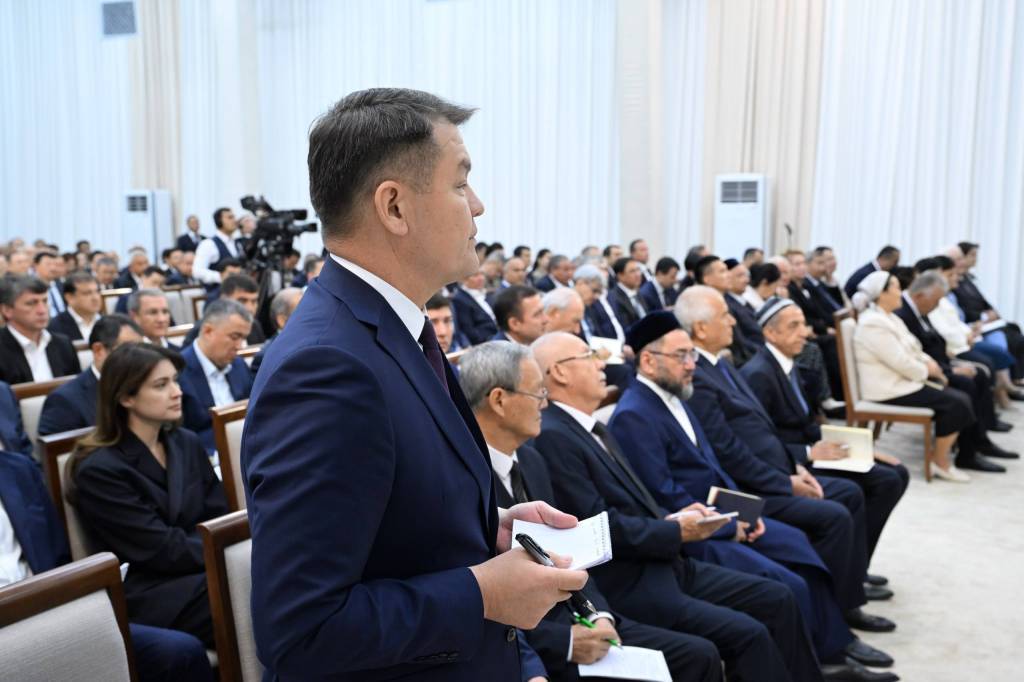
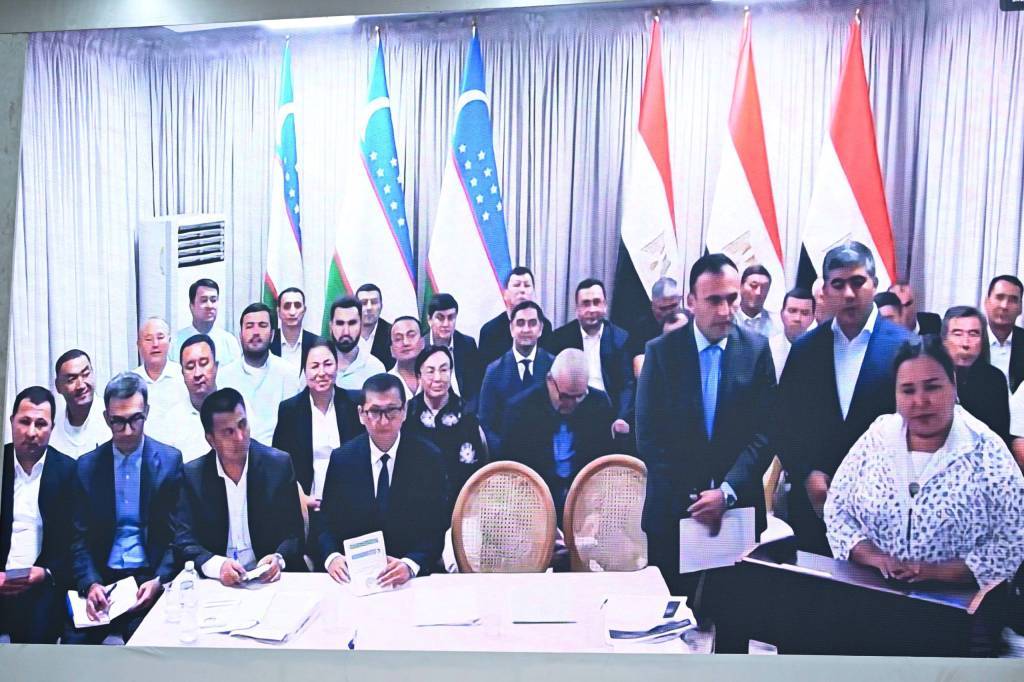
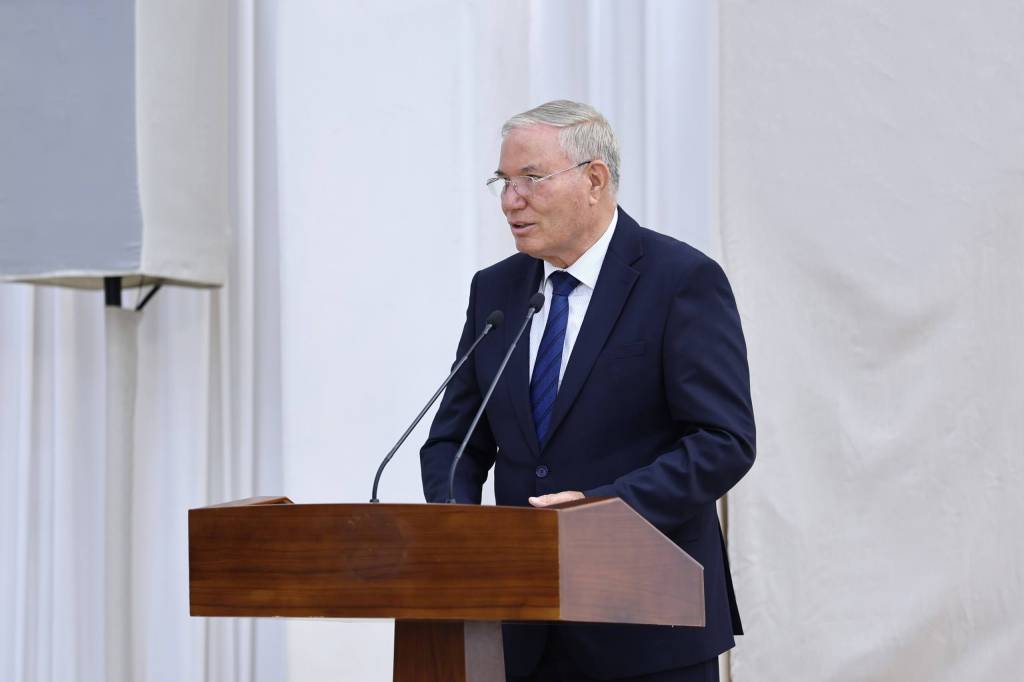
Following the meeting, reports from regional and sectoral leaders were heard, followed by a dialogue with representatives of Karakalpakstan’s public.
Thereupon, the President concluded his visit to Karakalpakstan and returned to Tashkent.
UzA