Measures to support small business growth reviewed
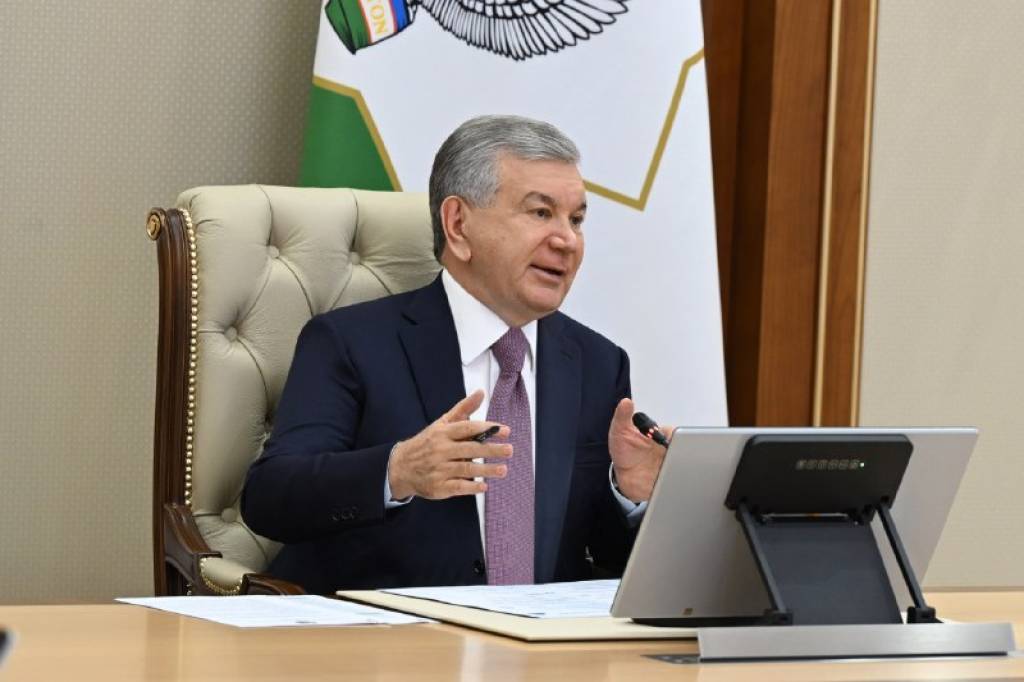
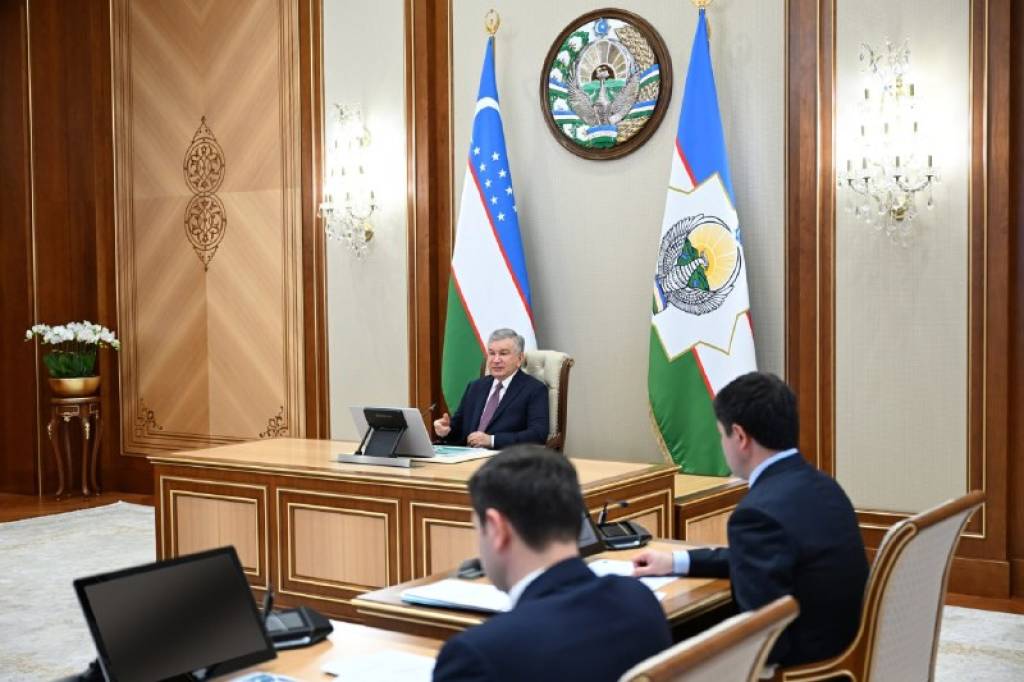
President Shavkat Mirziyoyev reviewed proposals to create more favorable economic conditions and a regulatory environment that supports small business growth.
Small business remains a vital sector of the economy, generating employment and income while fostering a competitive business environment. In recent years, consistent measures have been implemented to support entrepreneurship, reduce the tax burden, and simplify access to public services.
At the same time, some existing procedures hinder the natural expansion of businesses. In particular, if a small business’s turnover does not exceed 1 billion UZS, a simplified tax regime applies. Once this threshold is exceeded, the business must pay value-added tax and profit tax.
This threshold was established in 2019, and prices have risen significantly since then. As a result, some entrepreneurs approaching the 1 billion UZS threshold have begun understating turnover, failing to issue receipts, or splitting their businesses into multiple entities.
During the presentation, a proposal was put forward to raise the threshold for small businesses transitioning to the general tax regime from 1 billion to 5 billion UZS, effective June 1, 2026.
An initiative was also proposed to introduce a simplified procedure for paying value-added tax in the food service, retail, and service sectors. Under the new procedure, entrepreneurs will be able, at their discretion, either to pay VAT at a rate of 6 percent while remaining exempt from profit tax, or to continue operating under the current general tax regime.
This will simplify tax calculations and payment procedures for small businesses, reduce the administrative burden, and diminish incentives to conceal turnover and artificially split businesses.
Issues related to VAT administration were also reviewed. For taxpayers who have switched to paying VAT, reporting requirements double. In 2025, 77 percent of errors in taxpayer reporting were made by VAT payers.
In this regard, proposals were put forward to automatically refund negative VAT balances for low-risk entrepreneurs, abolish the practice of temporarily suspending VAT payer certificates, revise the mandatory requirement to pay VAT upon import, and automate the process of opening bank accounts.
To reduce the administrative burden on small businesses, proposals were put forward to allow entrepreneurs to correct their own mistakes. It was also proposed that tax audits not be conducted for tax risks up to 500 million UZS, while field tax audits would not apply to risks below 100 million UZS.
Several easing measures are also envisaged for the food service and hospitality sectors. In particular, proposals were made to permit the cash sale of alcoholic beverages and tobacco products, abolish the requirement that a share of non-cash revenue be used for partial VAT refunds, and simplify employee registration procedures for certain categories of workers.
These measures are expected to expand opportunities for legal business growth among more than 600,000 small enterprises. Increased transparency of the tax base is projected to generate at least 2 trillion UZS in additional annual budgetary revenue.
The Head of State approved the proposed measures and instructed the responsible officials to create favorable and fair conditions for small businesses, encourage enterprises to scale up their operations, and strengthen entrepreneurial confidence by simplifying and digitalizing tax administration.
UzA