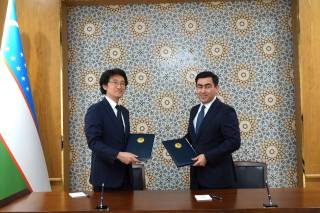
Exports of fruit and vegetable products from Uzbekistan to Latvia reach 7 million euros
The project “Developing the production and export of safe food products in Uzbekistan” is being implemented successfully in collaboration with the Ministry of Foreign Affairs of Latvia to ensure food security, increase the export potential of agricultural products, and improve the quarantine and plant protection system to international standards.
Uzbekistan’s specialists completed a training program in Riga focused on the phytosanitary export system, food safety assurance, and organizing plant protection and quarantine measures. They also became familiar with Latvia’s digital control and monitoring systems. As part of the training program, the participants focused on food security and sustainable agricultural development, farm support mechanisms, and the practical implementation of scientific and innovative approaches. Together with specialists from Latvia, participants conducted an in-depth analysis of how modern information systems can identify, monitor, and forecast harmful organisms, assess risks, and organize phytosanitary control by region. This approach is essential to ensuring plant health, preventing pest spread, enabling prompt monitoring, and timely identification of relevant phytosanitary measures.
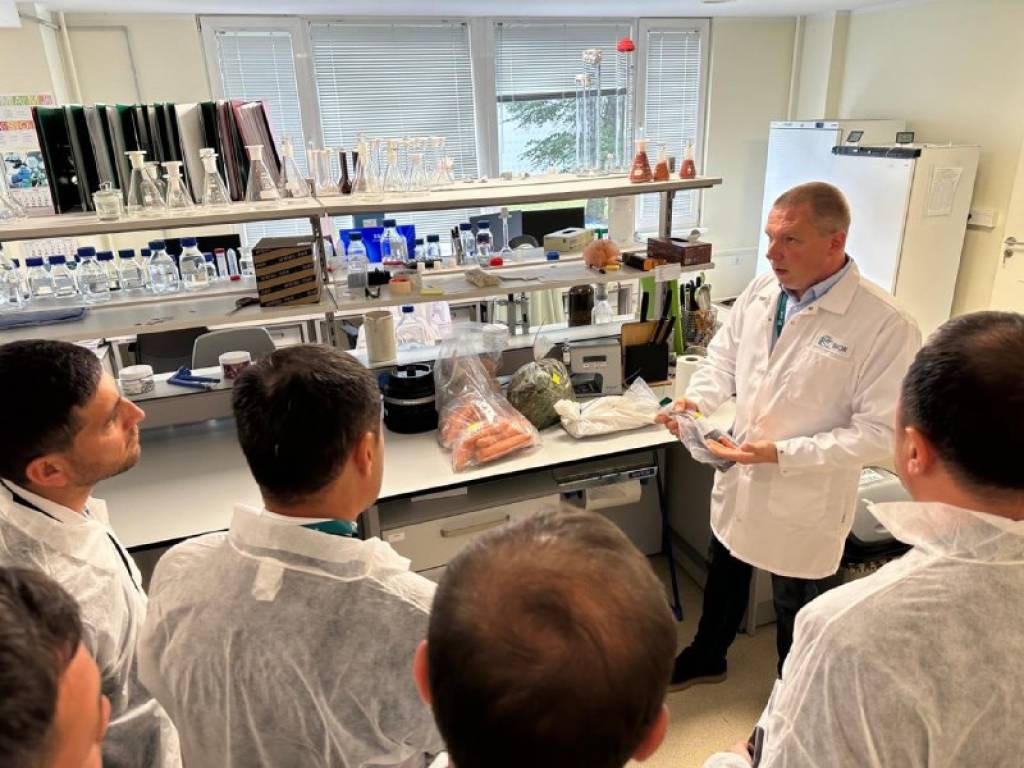
Representatives of the Committee on Food Safety visited the BIOR Scientific Institute of Food Safety, Animal Health and Environment and became familiar with the laboratory’s activities, advanced analytical methods, laboratory research organization processes, and methods for determining pesticide residues. Laboratory skills were demonstrated in determining chemical substances in food products, objectively evaluating the results, and ensuring the high reliability of the analyses.
BIOR laboratories apply nearly 400 accredited testing methods based on ISO/IEC 17025 international standards, with chromatography and mass spectrometry performed in the chemical laboratory. Strict control of pesticide residues is essential to food safety. Such laboratory testing helps detect plant-protection product residues in agricultural products and evaluate their compliance with safety regulations.
The participants exchanged views on sample receipt and preparation for analysis, quality management, and ensuring reliable results.
This cooperation between specialists from Uzbekistan and Latvia will serve to improve the quality of laboratory diagnostics, strengthen personnel capacity, and support the cultivation and export of safe agricultural products in Uzbekistan that fully meet international standards.
Mohigul Qosimova, UzA