Uzbekistan's first permanent Center for Contemporary Art opens in Tashkent
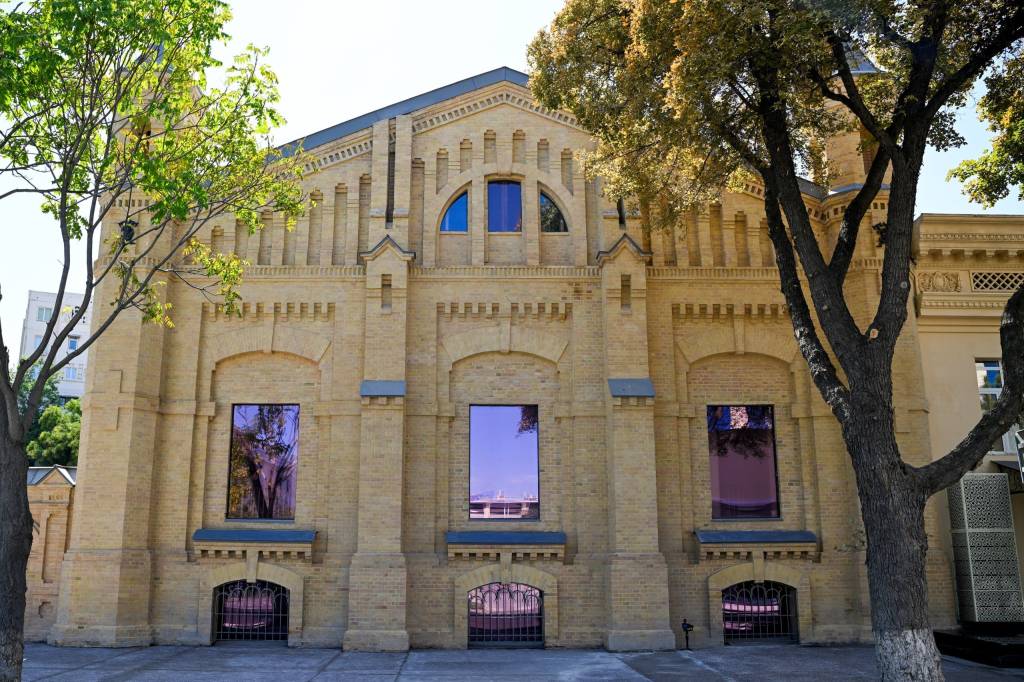
An important event in the cultural life of Uzbekistan has taken place: the Tashkent Center for Contemporary Art has opened. As the first permanent institution in Uzbekistan dedicated to contemporary art, the Center will become a new platform combining exhibitions, educational and research programs, international cultural cooperation, and various public cultural events.
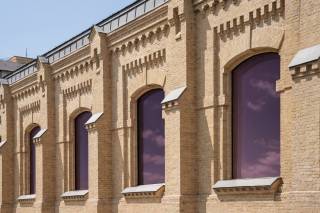
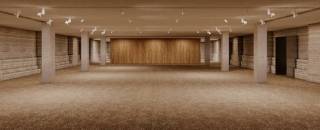
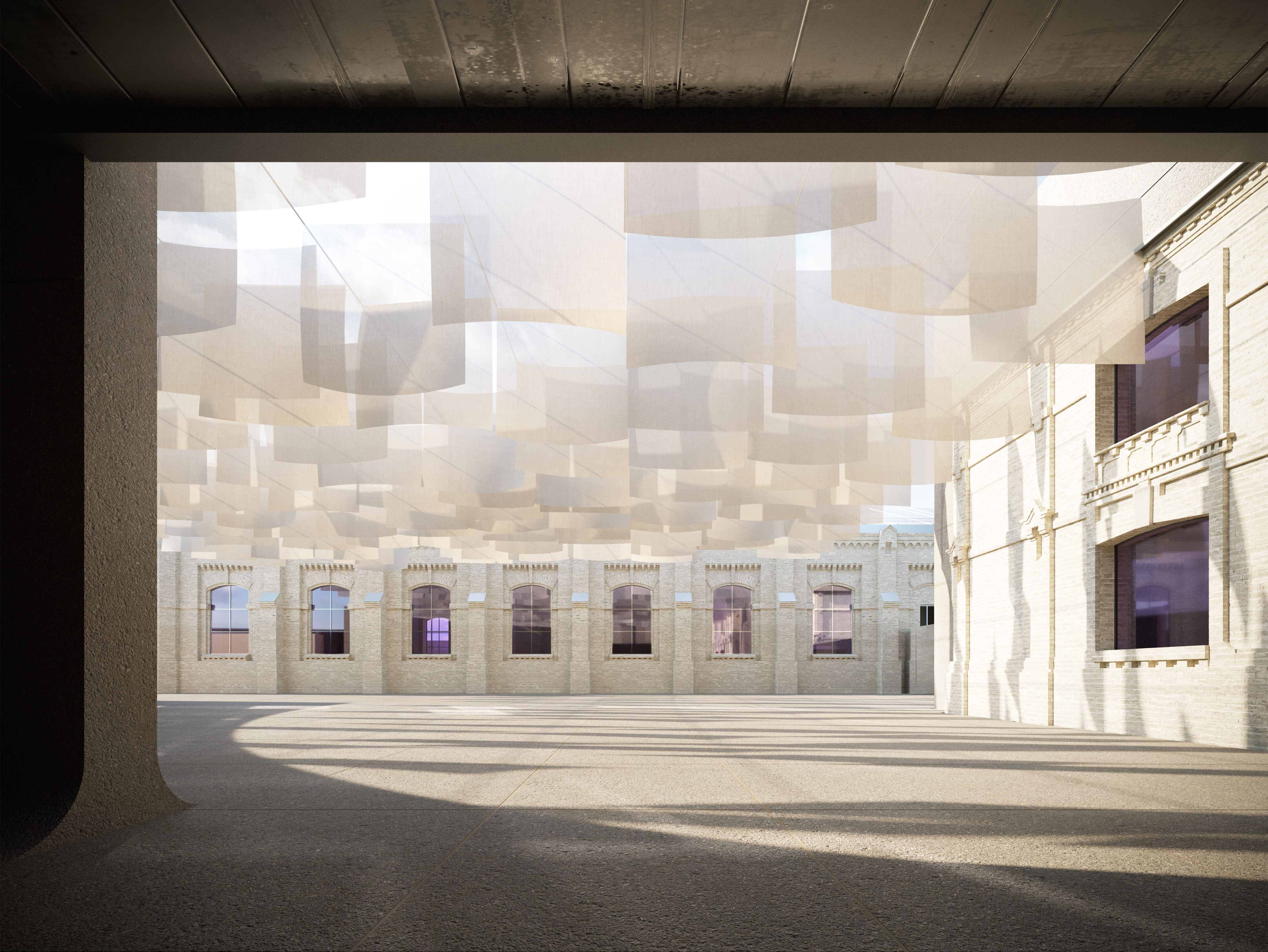
Located in the historic building of a former diesel power plant built in 1912, the Center includes exhibition spaces, a library, a concept store, a restaurant, educational areas, and public spaces for meetings and research—all essential for a modern cultural institution. This integrated approach makes the Tashkent Center for Contemporary Art a unique institution of its kind in Central Asia.
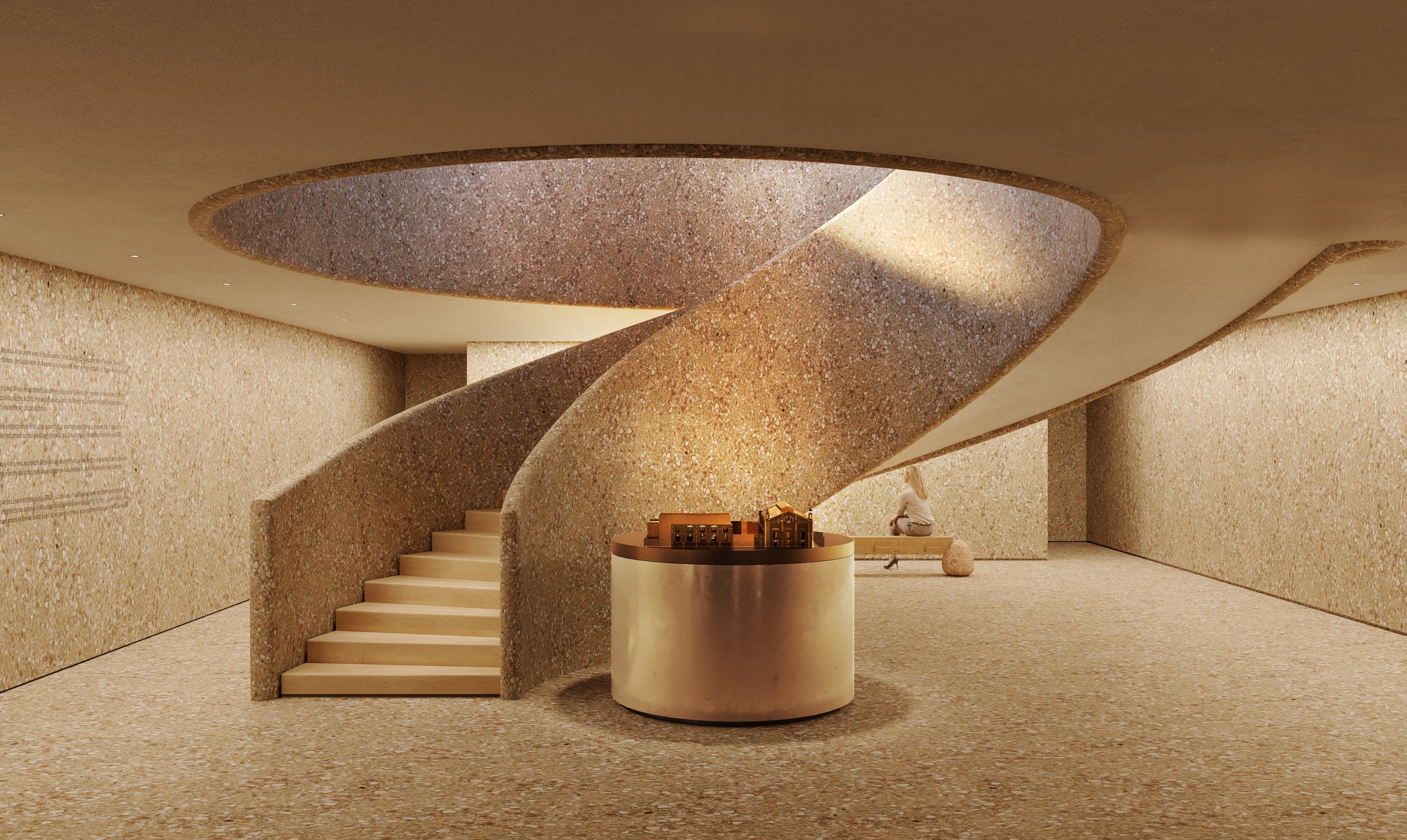
The architectural reconstruction of the Center's building was designed by the world-renowned architectural bureau Studio KO. During the process of transforming the building into a modern cultural center, its historical appearance and the characteristic features of its industrial architecture were preserved. As a result, the former power plant is being transformed into a new space where historical heritage blends harmoniously with modern art and architecture.
The Tashkent Center for Contemporary Art is a project of the Art and Culture Development Foundation of Uzbekistan. The Center's establishment was initiated by the President of the Republic of Uzbekistan, Shavkat Mirziyoyev. The project is part of a series of large-scale initiatives aimed at developing the country's culture and arts sector, expanding international cultural cooperation, and forming a contemporary art ecosystem.
The opening of the Center marks a significant milestone in the development of Uzbekistan's cultural infrastructure, serving to unite local and international art scenes through exhibition projects, research, educational programs, and cultural exchange.
"The opening of the Tashkent Center for Contemporary Art is an important milestone in realizing our long-term vision for developing Uzbekistan's cultural infrastructure and creating a sustainable contemporary art ecosystem. The Center will become a meeting place for artists, researchers, curators, and representatives of various communities. Here, the local art scene can fully engage with the international cultural sphere. We strive to create an institution that not only showcases contemporary art but also supports its development through education, research, and international cooperation," said Gayane Umerova, Chairperson of the Art and Culture Development Foundation of Uzbekistan.
On the opening day, guests were presented with a rich program that included regular exhibitions, panel discussions, lectures, concerts, performances, film screenings, and educational events, which will become an integral part of the Center's activities.
The Center's activities are aimed at supporting Uzbek artists, developing international cooperation, and introducing the local audience to the works of the world's leading contemporary artists. The Center will also serve to promote Uzbek artists internationally, creating new opportunities for collaboration, research, and participation in international art projects.
The Inaugural Exhibition: "Hikmat"
The first exhibition at the Tashkent Center for Contemporary Art was "Hikmat," curated by Dr. Sara Raza. The exhibition's title is derived from the Arabic word "hikmah," meaning "wisdom." The exposition explores the intersections of local traditions, spiritual heritage, and contemporary artistic practices.
"The 'Hikmat' exhibition explores new intersections between tradition, material culture, and contemporary artistic practices. The exhibition brings together artists from various countries and offers a new understanding of wisdom as a process of constant reflection on culture, memory, and art," said Dr. Sara Raza, Chief Curator of the Tashkent Center for Contemporary Art and an art historian.
The exhibition features works by Muhannad Shono, Nari Ward, Shokhrukh Rakhimov, Tarek Atoui, Kimsooja, Ali Cherri, and Nadia Kaabi-Linke, as well as Vladimir Pan, Daribay Saipov, and Bakhtiyor Soipov, whose works are presented from the collection of the I.V. Savitsky Karakalpakstan State Museum of Art.
In addition to the artworks, the exhibition program includes a sound installation prepared by Sabina Inoyatova, the Music Curator of the Tashkent Center for Contemporary Art.
The Center's First International Project
The Center is also presenting the exhibition "Instruments of Contemplation" as an official collateral event of the 61st Venice Biennale of Contemporary Art. This exhibition is currently on display at the Palazzo Franchetti in Venice and will be open to visitors until November 22, 2026.
The project is dedicated to the work of Vyacheslav Akhunov, one of Central Asia's most important artists, and is the first international exhibition project of the Tashkent Center for Contemporary Art.
International and Local Cooperation
On September 4, an exhibition by Dutch-Moroccan designer Mohamed Benchellal opened at the State Museum of the History of Uzbekistan as part of the public program of the Tashkent Center for Contemporary Art. The collection was created during the designer's art residency in Tashkent in 2025, inspired by Uzbekistan's culture, craft traditions, and architectural heritage.
Nazokat Usmonova, UzA