Uzbekistan – Tajikistan: A spiritual link connecting people
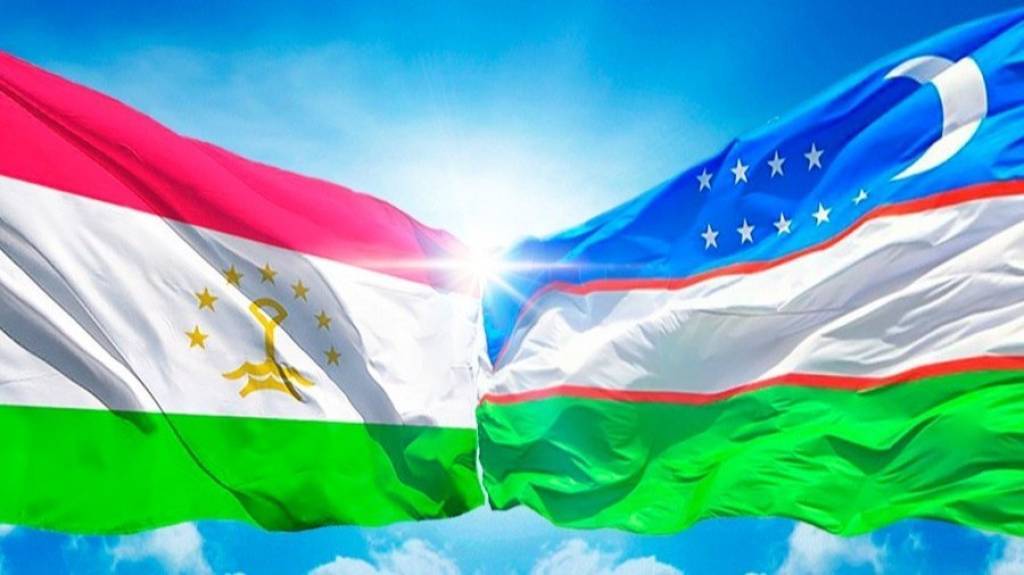
Within the positive integration process seen in Central Asia, cultural and humanitarian cooperation holds a special significance.
It is culture, spirituality, and the deep spiritual connection between people that create the most solid and lasting foundation for interstate relations. Cooperation between Uzbekistan and Tajikistan is growing not only on political and economic levels but also based on a profound civilizational bond.
As noted by Salima Gulomova, an employee of the Center for Analytical Research, thanks to the decisive and consistent efforts of the leaders of the two states, bilateral ties in recent years have developed dynamically and have reached the level of a strategic partnership and alliance oriented toward practical results.
As is well known, the relations between people of Uzbekistan and Tajikistan have deep historical roots. Since the formation of states in Central Asia, cultural, educational, economic, and diplomatic contacts among peoples have steadily grown. A shared history, close cultural and spiritual values, and longstanding traditions of good neighborliness ensure the stability of these relations. The significance of cultural diplomacy is increasing. Cultural events, creative exchanges, and interactions between ordinary citizens play a vital role in strengthening trust between the two nations. In this context, the events held in the country as part of the Days of Culture and Cinema of Tajikistan once again demonstrate the brotherhood and closeness of our peoples. Projects are underway to showcase the rich cultural heritage of both Uzbek and Tajik communities. The “Navruzi Olam” multi-generational gathering, the “Evening of Friendship” gala concert featuring talented artists, art exhibitions, and theatrical performances, all contribute to enhancing cultural ties. Such activities not only promote cultural heritage but also foster mutual understanding and trust.
It is important to highlight several key aspects. First, the ideas presented in the article “Uzbekistan – Tajikistan: Strong Will on the Path to Strengthening Trust, Friendship, and Good Neighborliness”, published in the official Tajikistan newspaper “Jumhuriyat,” are highly significant for young people. The author offers a detailed analysis of the historical, cultural, and economic connections binding the people. Notably, it is stressed that the Treaty on Allied Relations, signed on April 18, 2024, by the leaders of the two countries, provides a strong legal basis for expanding political dialogue, enhancing humanitarian cooperation, and fostering creative ties among youth. The article also shares information about the agreement on the delimitation of the border junction point, signed in 2025 in Khujand by the leaders of Uzbekistan, Tajikistan, and Kyrgyzstan. This agreement is viewed as a crucial step toward resolving longstanding issues in Fergana Valley. Such political moves create a stable and trustworthy environment for cultural and humanitarian collaboration. Second, a tangible example of cultural closeness is the exhibition of works by Tajik artists, hosted at the Gallery of Fine Arts of Uzbekistan with participation from students of Tashkent State University of Oriental Studies. This exhibition not only showcases the harmony of the artistic traditions of both peoples but also helps strengthen creative dialogue among young people. Cultural initiatives serve to broaden the perspectives of the younger generation, cultivate aesthetic thinking, and support professional development.
In the context of modern globalization, culture serves as both a spiritual value and a vital resource of intellectual and creative competitiveness for young people. In the information space, ideas, cultural products, and creative industries play a crucial role in shaping a country’s image. From this perspective, cultural and humanitarian cooperation between Uzbekistan and Tajikistan not only contributes to internal social stability but also helps expand cultural influence worldwide. The foundation of cultural connections is being strengthened, and initiatives in education, science, and the arts are being promoted. Student exchanges, joint research projects, and conferences foster closer ties among youth. Additionally, special focus should be given to policies aimed at protecting and nurturing the native language, culture, customs, and traditions of the Tajik community living in our country. Safeguarding the rights and interests of nearly 1.6 million Tajik nationals and creating conditions to preserve their national identity demonstrate Uzbekistan’s ongoing commitment to interethnic harmony and tolerance.
The preservation and support of cultural diversity within a country are essential for strengthening relations with neighboring nations. Specifically, the participation of the Uzbekistan delegation in the Navruz Youth Festival held in Dushanbe in 2025, as well as the performances by the troupe of the Alisher Navoi State Academic Grand Theatre of Uzbekistan on the stage of the Sadriddin Ayni Theatre, show that cultural connections have reached a new level.
It is also especially important that monuments to Alisher Navoi and Abdurahman Jami have been erected in Samarkand and Dushanbe. This reflects a symbolic connection between the two peoples’ history and spirit. The growth of cultural and humanitarian links is expected to continue through digital technologies, creative industries, and media platforms. Joint film initiatives, digital cultural archives, online educational platforms, and virtual exhibitions offer new opportunities in this field.
In conclusion, it should be emphasized that cultural and humanitarian cooperation between Uzbekistan and Tajikistan has become one of the most stable and effective areas of their interstate relations. It not only reinforces the historical closeness of the two peoples but also updates their existing ties with modern content, providing a strong spiritual foundation for future generations.
Cultural exchange and cooperation in education and culture are crucial strategic factors for maintaining the long-term stability of interstate relations. Further developing cultural and humanitarian ties is vital for ensuring peace, stability, and growth throughout Central Asia.
Musulmon Ziyo, UzA