Uzbekistan – Russia: Priority areas of partnership
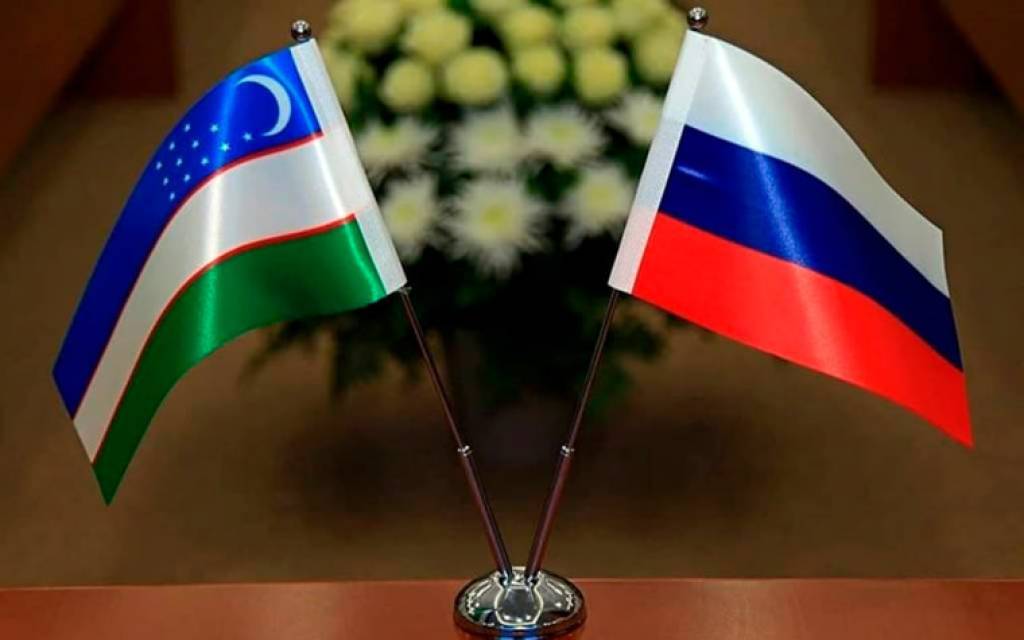
Given the rapid geopolitical shifts and the growing importance of regional security and economic stability, Uzbekistan’s foreign policy priorities are especially significant.
These processes are clearly evident in Uzbekistan’s multilateral cooperation with Russia, as well as in the new phase of bilateral political, economic, and cultural-humanitarian relations.
This analytical article is based on expert Sayfiddin Jurayev’s opinion on the current state and prospects of relations between Uzbekistan and Russia.
Cooperation between Uzbekistan and Russia is continually growing and establishing a strong institutional base. Over 400 interstate, intergovernmental, and interdepartmental agreements are currently in place between the two nations. This substantial legal framework results from a targeted policy focused on long-term and systematic development of their partnership.
Since 2017, bilateral relations have reached a new qualitative level. The political dialogue at the highest level has intensified significantly: over the past eight years, the leaders of the two countries have made about 20 reciprocal visits. This has provided a strong incentive to develop contacts among ministries, regions, parliaments, and business circles. The tangible, practical results of cooperation in nearly all areas have become the key outcome.
Russia continues to be a key partner for Uzbekistan. Consistently, initiatives are carried out to strengthen strategic cooperation and alliance ties. Cooperation advances not just through words, but through the execution of specific projects and sound, long-term decisions.
In today’s global environment, countries can no longer depend solely on the mechanisms of the international market. Protecting national interests and addressing specific issues become their main responsibilities. In this context, Uzbekistan and Russia are building cooperation based on the principle of a balanced integration of their national interests.
The global system is undergoing a period of change: competition is intensifying, trade and tariff disputes are escalating, and the influence of international institutions is waning. In this context, both countries are compelled to adjust their economic and political strategies to fit the new realities.
Eurasia is gradually developing as a region with high economic growth. The increasing connectivity among Russia, China, and India, along with the efforts of the United States and the European Union to boost their influence, creates a complex regional balance. Meanwhile, despite a slight decline in its position, the European Union remains a primary trading and investment partner.
The Central Asian countries are showing signs of convergence and working towards a shared development approach. These integration efforts are ongoing and aim to create a stable, constantly growing region. Russia backs these initiatives, as seen in the 5+1 format.
Internal factors also play a key role: societies are undergoing transformation, generational change is occurring, and the value system is changing. Against this background, common challenges such as water resources, climate change, and demographic processes require long-term and coordinated cooperation.
The development of advanced technologies, mainly in artificial intelligence, opens new doors for interaction. Russia’s strong potential in this area offers more opportunities to expand expert and practical cooperation with Uzbekistan.
Thus, Uzbekistan – Russia cooperation gains strategic importance not only from the perspective of bilateral interests but also in the context of maintaining stability and promoting sustainable development across the entire Eurasian region.
Joint efforts to address modern challenges, along with accumulated experience in solving urgent problems, are already demonstrating their effectiveness. There is a steady positive trend in the development of partnerships, which is becoming an important factor in maintaining regional stability in Eurasia. The political dialogue between Uzbekistan and Russia has significantly strengthened. The dynamic growth of trade and economic ties is of particular importance. Over the past five years, the volume of mutual trade has doubled, with high-value-added products accounting for nearly 70 percent of turnover. The total value of investment projects has reached $45 billion. These achievements are largely due to the accelerated development of industrial cooperation.
More than 150 joint projects are underway in key sectors of the economy. In a relatively short period, there has been a shift from mainly export-import activities to a comprehensive industrial and technological partnership.
During the Second Meeting of the Council of Regions in 2025, economic diplomacy was notably strengthened. The leaders of Fergana, Surkhandarya, Namangan, Navoi, Syrdarya, and Tashkent regions reached agreements with the industrialized regions of the Russian Federation.
Several key trends are clearly observable. Firstly, interregional industrial cooperation is actively growing in the economy, industry, agriculture, chemical, and energy sectors. Secondly, numerous agreements have been signed, covering the organization of joint business forums, the creation of bilateral trading houses and logistics centers, the opening of branded stores selling Uzbek products, and the expansion of collaboration in forestry, scientific-technical, educational, and cultural fields. In total, more than 30 agreements and joint projects have been carried out. Thirdly, representatives from Russian regions expressed interest in deepening cooperation. The Governor of the Krasnoyarsk Territory announced plans to develop trade and industrial cooperation as well as joint youth and sports initiatives. The Head of Bashkortostan announced the start of construction of an industrial park in Tashkent region and expressed a willingness to collaborate in agriculture. The Governor of Moscow Region highlighted the successful execution of industrial and humanitarian initiatives and the growth of partnerships in healthcare and education. Fourth, significant emphasis is placed on advancing cooperation in education. Russia plays a leading role in providing educational services to Uzbekistan, largely thanks to the establishment of effective cooperation mechanisms. The annual Russia – Uzbekistan Educational Forum and the Interregional Conference of University Rectors from both countries are key contributors to this progress.
It is equally important that cooperation is based on the principles of mutual consideration of interests and needs. Coordinating approaches, understanding each other’s priorities, and finding common ground are essential for building a sustainable and fair partnership.
In conclusion, it should be emphasized that developing bilateral relations with Russia remains one of Uzbekistan’s top foreign policy priorities. Active support from both sides fosters close cooperation across various fields. As a result, the number of exchanges between delegations from ministries, departments, parliaments, regions, and the business community has exceeded 1,000. Such an intensive and meaningful dialogue helps achieve concrete, tangible results across all areas of cooperation.
Musulmon Ziyo, UzA