Uzbekistan and Senegal open new chapters in cooperation
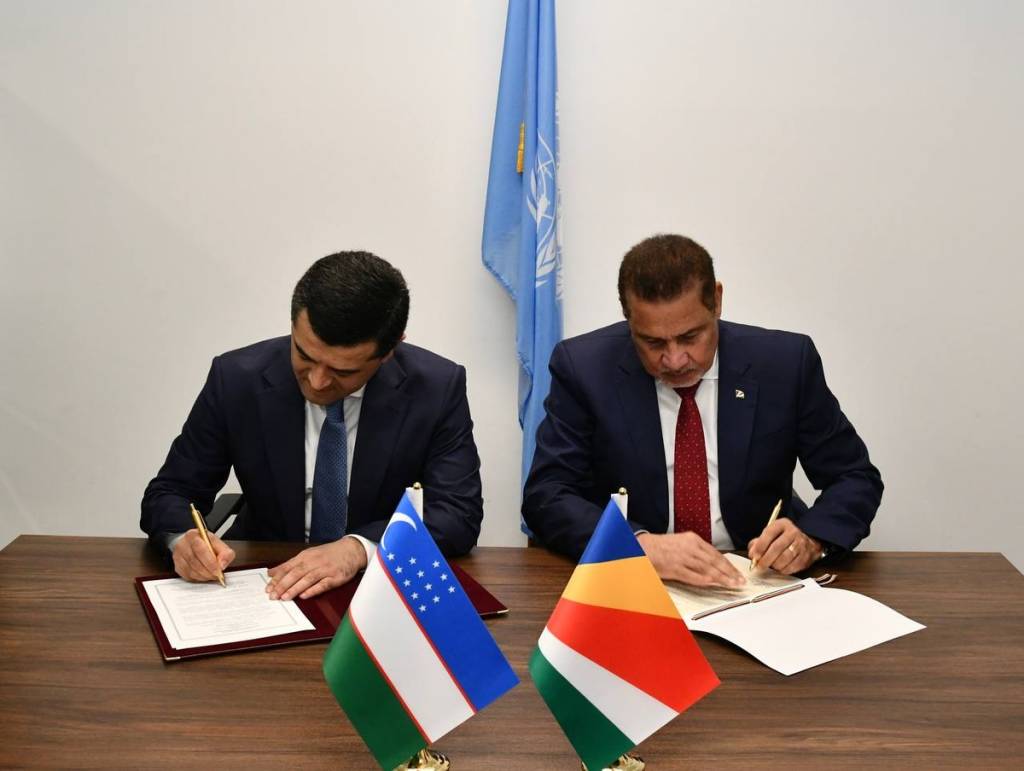
Uzbekistan and Senegal established diplomatic relations on October 6, 1995, making Senegal the 92nd country with which Tashkent had established official ties.
Thirty-one years have passed since then – enough time to assess what has been achieved and to identify what still lies ahead.
Today, relations between the two countries are developing at both the multilateral and bilateral levels. Tashkent and Dakar are members of the United Nations, the Organization of Islamic Cooperation, and the Non-Aligned Movement. These platforms provide natural points of convergence on issues such as support for multilateralism, respect for sovereignty, sustainable development, food and climate security, and reform of international institutions. Uzbekistan’s Minister of Foreign Affairs Bakhtiyor Saidov has spoken about the country’s upcoming chairmanship of the Non-Aligned Movement in 2027-2029, which will provide Tashkent with an opportunity to expand dialogue with dozens of African countries.
Political dialogue should provide the foundation for broader cooperation. This includes regular consultations between the two foreign ministries, reciprocal visits by ministers and parliamentary delegations, coordination of positions at the United Nations, and mutual support for candidacies in international organizations. A practical first step would require relatively few resources yet could pave the way for further cooperation: signing a Cooperation Agreement and establishing a working mechanism for consultations. If political dialogue forms the foundation of relations, economic cooperation gives them practical substance. Uzbekistan and Senegal have considerable opportunities in this area, as both countries seek to diversify their economies, attract investment, and gain access to new markets. Bilateral trade has significant growth potential, and interest among entrepreneurs in Tashkent and Dakar is gradually increasing. Digital platforms, online formats, and participation in international exhibitions help businesses find partners and close deals without intermediaries.
At the same time, the economies of the two countries complement each other. Uzbekistan has experience in agriculture, the textile industry, fruit and vegetable production, and construction materials, as well as a developing machinery sector. Senegal, for its part, is pursuing economic diversification through fisheries, mining, agriculture, services, and the recently launched hydrocarbon production. In addition, Dakar has historically served as a trade and transport hub in West Africa, and Senegal’s membership in regional organizations provides access to neighboring markets.
Education and science also offer considerable potential for cooperation. Uzbekistan is rapidly expanding its university network, introducing new academic programs, and attracting students from different countries. Senegal has a rich educational tradition and is widely regarded as one of West Africa’s centers of learning. Student and faculty exchanges, joint research projects, grants, and internships could help bring the younger generations of the two countries closer together.
Multilateral diplomacy remains an important pillar of bilateral relations. Uzbekistan and Senegal share a commitment to strengthening multilateralism, promoting sustainable development, ensuring food and climate security, and advancing a fairer system of international institutions. Uzbekistan’s upcoming chairmanship of the Non-Aligned Movement from 2027 to 2029 will open new opportunities for closer dialogue with African countries. Senegal, given its standing on the continent, could become one of Tashkent’s important partners in this process.
Over 31 years of diplomatic relations, Uzbekistan and Senegal have built trust, mutual respect, and goodwill, laying the groundwork for closer cooperation. The two countries share common values and multilateral platforms, and both have a genuine desire to draw closer, with no disagreements between them. Each new visit, meeting, and joint project strengthens their friendship.
Orash Akaboyev, UzA