Turon: The Uzbek martial art bridging continents
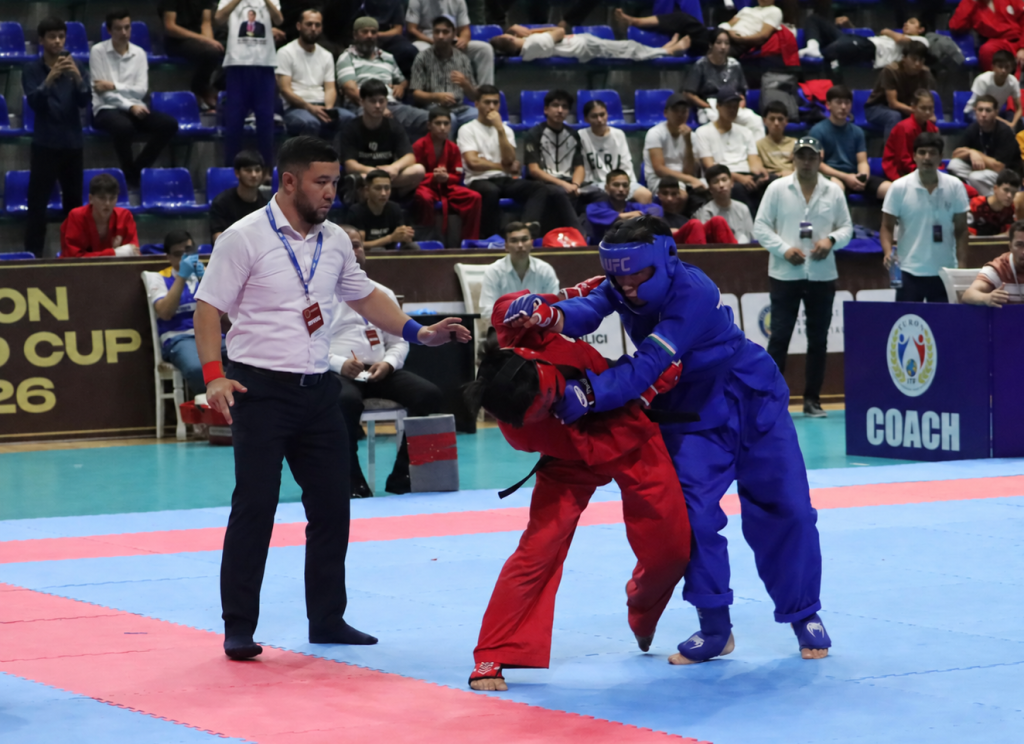
Every martial art embodies more than movement, technique or competition. It also carries history, culture, values, and the legacy of generations. Turon is no exception. Rooted in Uzbekistan’s rich martial traditions, this distinctly Uzbek sport is entering a new stage of development, expanding beyond the country’s borders and drawing growing interest from athletes and specialists, including in the Americas.
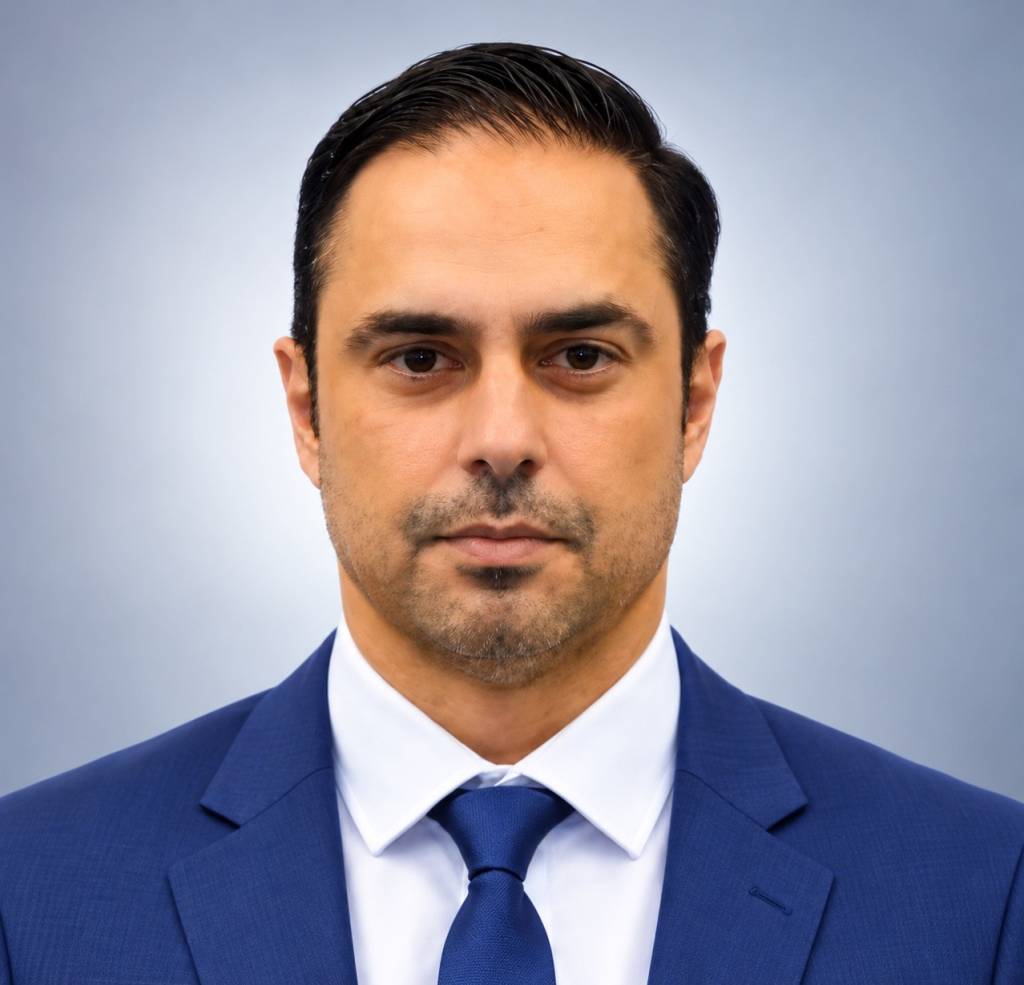
Having been involved in martial arts for many years, I follow Turon’s prospects in the Pan-American region with great interest. Recent changes in Uzbekistan show how strongly the country prioritizes physical education and sport as matters of state policy.
Under the leadership of President Shavkat Mirziyoyev, sport has become an important part of New Uzbekistan’s growing engagement with the world, its expanding international cooperation, and its long-term development programs. The growth of grassroots and youth sport, the development of modern infrastructure, and Uzbek athletes’ strong performances at major international competitions are practical expressions of this policy. This environment also provides a solid foundation for developing national sports, including Turon.
Master of Sports Bakhodir Saidov developed Turon’s modern competition rules in 1991, and the discipline was added to Uzbekistan’s official list of sports in 1992. In my view, Turon is more than a contest in the arena. Beyond physical fitness, it demands discipline, responsibility, courage, respect, and self-control.
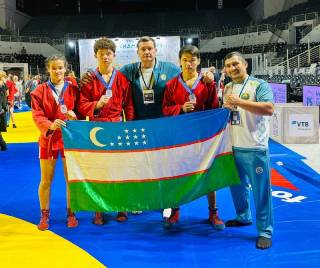
I believe Turon’s expanding presence across the Pan-American region marks an important step in its international development. The International Turon Federation reports that the United States, Canada, Mexico, Chile, Bolivia, Peru and Uruguay have organizations that are full members of the federation. Venezuela is also deepening its ties with the international Turon community.
Naturally, expanding geographical reach alone is not enough. A sport’s true development cannot be measured solely by the number of national flags represented at international competitions. A sustainable system needs coaches with a thorough command of the sport’s techniques, qualified referees, training programs, national championships, and, most importantly, a clear pathway for young athletes to progress from local training to national- and world-level competitions.
I believe Turon presents exceptional opportunities for Venezuela. Our country has built a strong tradition in martial arts and combat sports, and Venezuelan athletes regularly compete internationally in a range of disciplines. This experience could also lay a solid foundation for developing Turon.
Of particular importance is the official invitation for Venezuela’s national delegation to participate in this year’s Turon World Cup in Tashkent. I see this not merely as an opportunity to compete internationally, but as a tangible sign of a new sporting bridge between Venezuela and Uzbekistan. Located in northern South America, our country has close cultural ties with Latin American and Caribbean nations. For this reason, I believe Venezuela could help spread Turon further across the region.
Experience shows that sport develops not only on competition days. Most of the work happens behind the scenes. Universities contribute through education, academies by training athletes and coaches, and national federations by organizing competitions. Uzbekistan’s experience is especially important in this process. Specialists from the homeland of Turon can share their technical knowledge and expertise with other countries, enabling each country to train its own qualified coaches and referees. Preparing educational and methodological materials in Spanish, in addition to Uzbek and English, would also strongly support promoting Turon in Latin America.
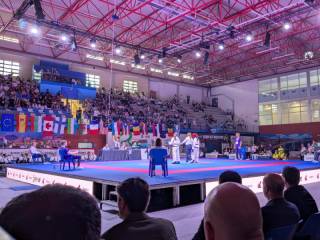
Establishing a Pan-American Turon Championship in the future would mark an important milestone in the sport’s development across the region. Imagine athletes from Venezuela, the United States, Canada, Mexico, Bolivia, Chile, Peru, Uruguay, and other countries that may join the Turon family competing on the same stage. Such a championship would be about more than medals. Athletes would experience a new competitive environment, coaches would exchange knowledge, referees would gain international experience, and national federations would build long-term cooperation.
Most importantly, these competitions give young people a clear goal. A child who practices Turon at a local sports club today should see a path to competing nationally tomorrow and, eventually, representing their country on the world stage.
In my view, Turon’s future depends above all on young people. Working with youth means more than simply organizing competitions for younger age groups. Young athletes need qualified coaches, a safe training environment, well-organized competitions, and opportunities to progress gradually. Turon teaches them not only strength and agility, but also discipline, responsibility, confidence, perseverance, and respect. Whether an athlete becomes a world champion or decides not to pursue professional sport, these qualities will remain important throughout life.
Uzbekistan and Venezuela are, of course, thousands of kilometers apart. Sport, however, has a unique way of bridging that distance. When an athlete in Caracas learns Turon, they connect with a martial arts tradition developed in Uzbekistan. As coaches in Latin America master Turon techniques, they pass that knowledge on to the next generation. And when a young athlete travels to an international competition, they return home with more than sporting experience: they also gain new friends and a broader understanding of another culture.
However widely Turon spreads beyond Uzbekistan, it must preserve its historical and cultural roots. In today’s globalized world, international growth should strengthen, not dilute, the sport’s identity and help share its history and values with a wider audience.
I believe Turon also has a future in the Americas. From Tashkent to Caracas, New York to Mexico City, La Paz to Lima, and Santiago to Montevideo, Turon can undoubtedly bring people together through sport, culture, discipline, courage, and mutual respect.
Gilberto Ayala,
Martial Arts Master, International Combat-Sports Competitor
Venezuela