The Russian language remains highly relevant and important in Uzbekistan
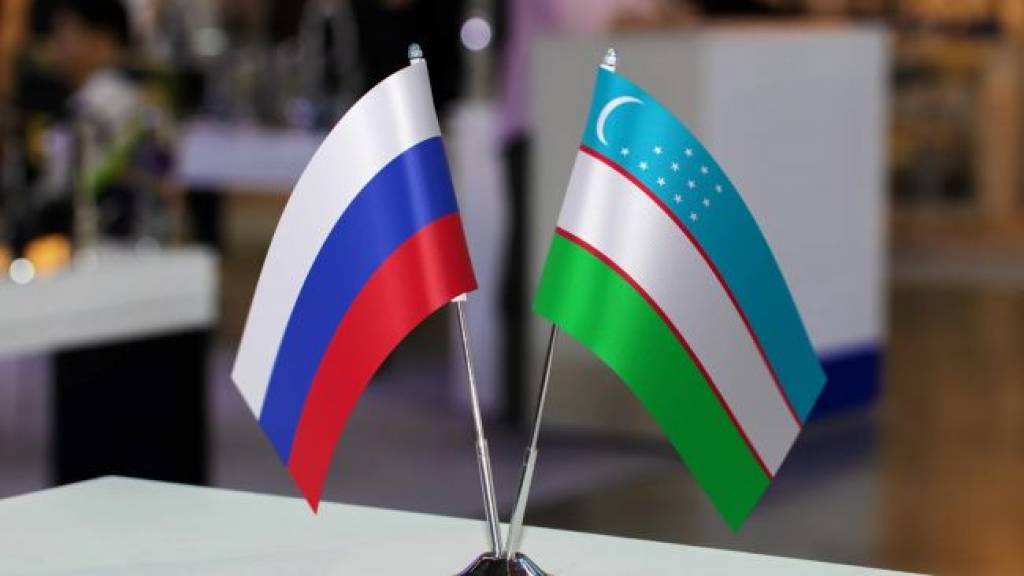
For many decades, the Russian language has remained an important part of Uzbekistan’s cultural and educational landscape. People speak and read it, study through it, use it to communicate, and maintain professional and humanitarian ties. Amid rapid changes in the linguistic and information environment, the role Russian plays today and its prospects for development in the country have taken on special significance.
Alexey Yerkhov, Ambassador Extraordinary and Plenipotentiary of the Russian Federation to the Republic of Uzbekistan, spoke about the significance of the Russian language and its place in the education system, the role of literature and culture in strengthening humanitarian ties between the two countries, and support for Russian-language teaching.
“Language is an outstanding and powerful tool – not only for communicating with people, but, more importantly, for acquiring, in the words of the classic, “all those riches that humanity has developed”, Alexey Yerkhov noted. “You know, I’m happy that discovering and learning Russian in all its diversity and magnificence somehow came very easily to me. I won’t say it was easy, but I didn’t encounter any particular problems. Perhaps it was because of the hundreds of books I read as a child – sometimes even under the blanket with a flashlight at night – or perhaps genetics played a part, since my mother happened to teach Russian language and literature. Sometimes my friends would ask me how to spell certain words, saying, “His mother is a teacher, he knows”. My colleagues used to say the same thing about my father, even though he was a pure technician: “But his wife is a teacher, he knows”.
Alexey Yerkhov also focused on the role of the Russian language in Uzbekistan’s educational sphere. According to him, the Russian language remains in demand and widely spoken in the country.
“Russian is still needed in Uzbekistan and, I’m not afraid to say, we love it. Many people know Russian well. First of all, it is the language of high-quality education, textbooks and programs, especially in the exact sciences. Russian is also an important factor for those who may move to Russia for work: about 1 million Uzbekistan citizens currently live there, and they must take a Russian language proficiency test when applying”.
Speaking about measures to support the Russian language, the Ambassador first highlighted training teachers and increasing their numbers.
“First of all, we need teachers: Russian-as-a-foreign-language teachers and subject teachers who can teach various classes in Russian. Our partners in Uzbekistan keep asking us to increase their numbers. This academic year, through existing programs, we managed to bring their number to about two hundred, but that’s obviously not enough. We need more, and we’ll do our best”.
The Ambassador says cultural cooperation is key to sustaining interest in the Russian language. Russian concerts, theatrical performances, and cultural festivals in Uzbekistan continue to draw large audiences.
“They are not becoming such a bridge. They have been one for a long time, and I want to believe they will continue to be. The need for this is immense. Concerts by Russian performers, theater groups, and cultural festivals consistently draw capacity crowds and sell out completely. This only confirms the strength of our cultural and humanitarian bonds”.
Aziza Alimova, UzA