The President visits the Mausoleum of Imam Bukhari
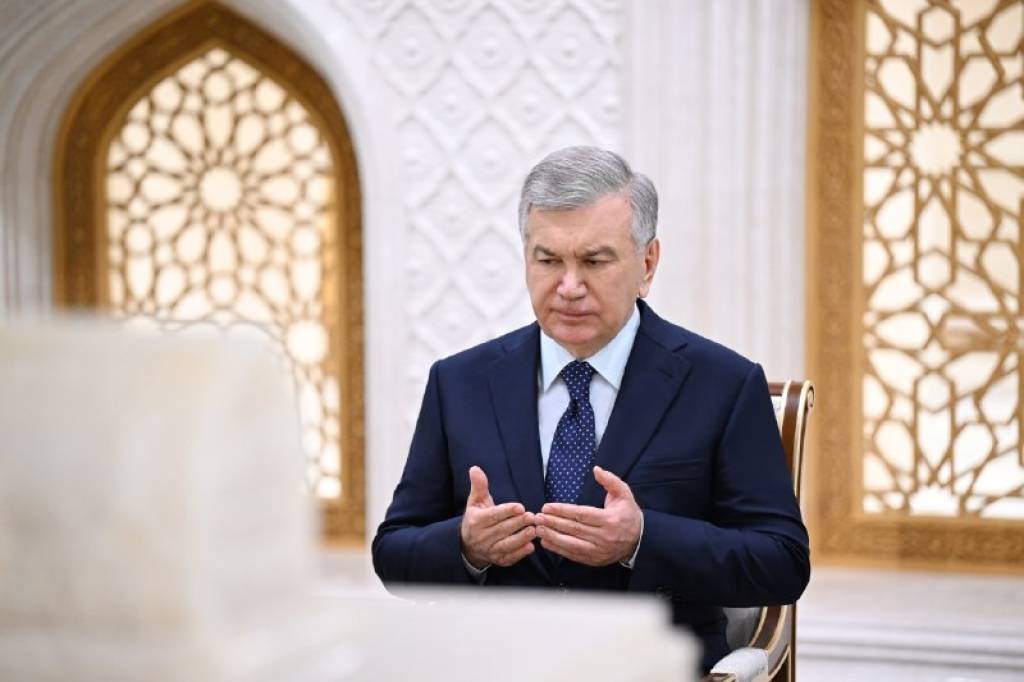
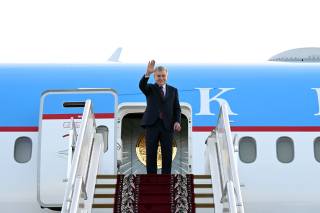
On May 3, President Shavkat Mirziyoyev arrived in Samarkand.
Following a longstanding tradition, the visit began with a trip to the Imam Bukhari Complex. At the mausoleum of the great hadith scholar, verses from the Quran were recited and prayers were offered.
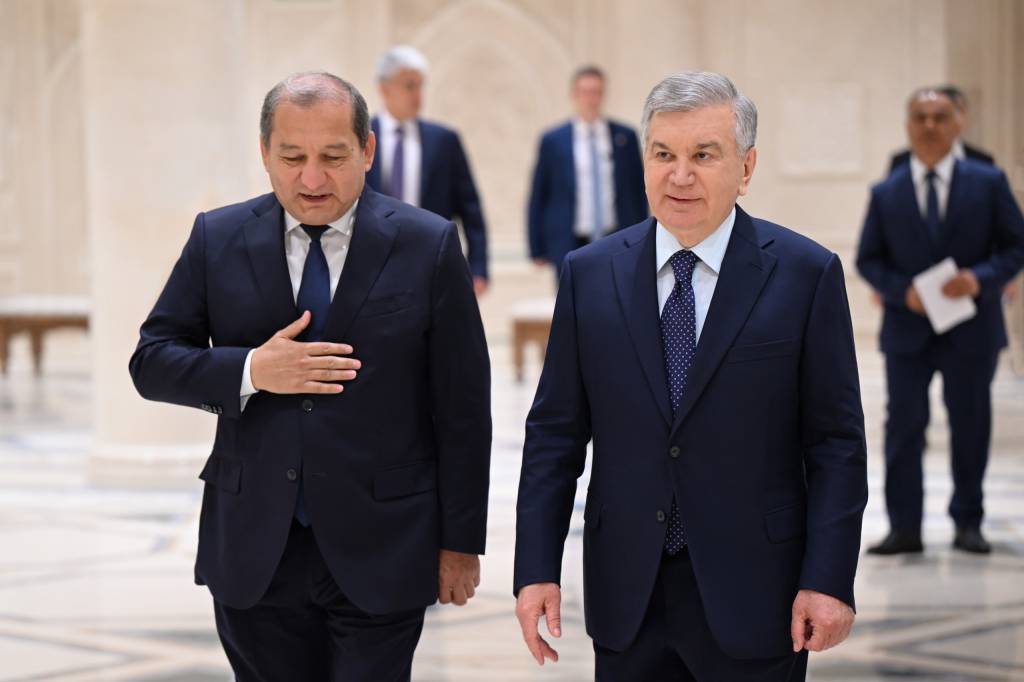
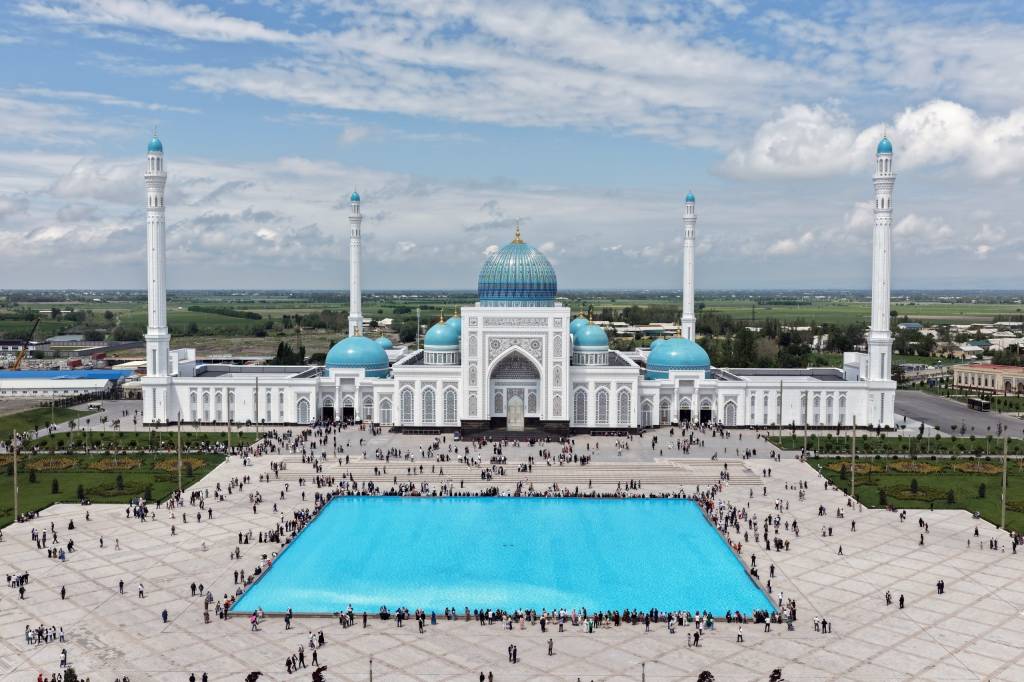
As is well known, at the initiative of the Head of State, this sacred site was rebuilt to reflect Imam Bukhari’s high status in the Islamic world and his immense spiritual legacy. Comprehensive facilities have been provided for pilgrims. This year, on the eve of Ramadan Hayit, the complex once again opened its doors to visitors, and more than 60,000 compatriots and international guests performed the prayer at this blessed site.
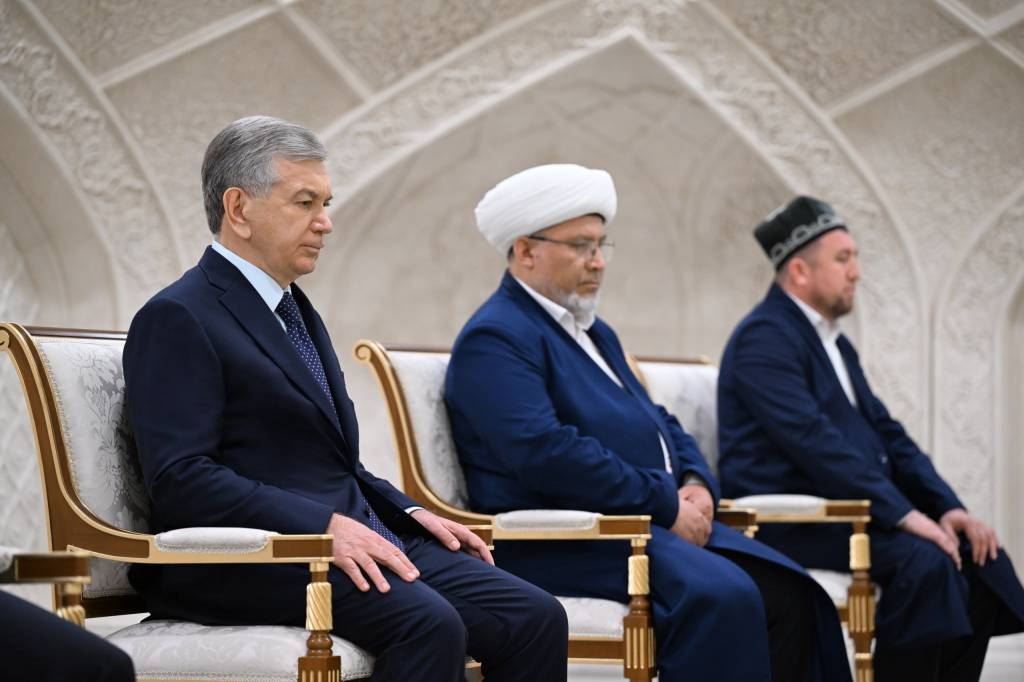
As a result of large-scale construction and development, the Imam Bukhari Complex, which previously served up to 12,000 pilgrims per day, can now accommodate up to 65,000 visitors.
According to estimates, more than 1 million domestic and foreign visitors have visited the complex in the first month after its reopening.
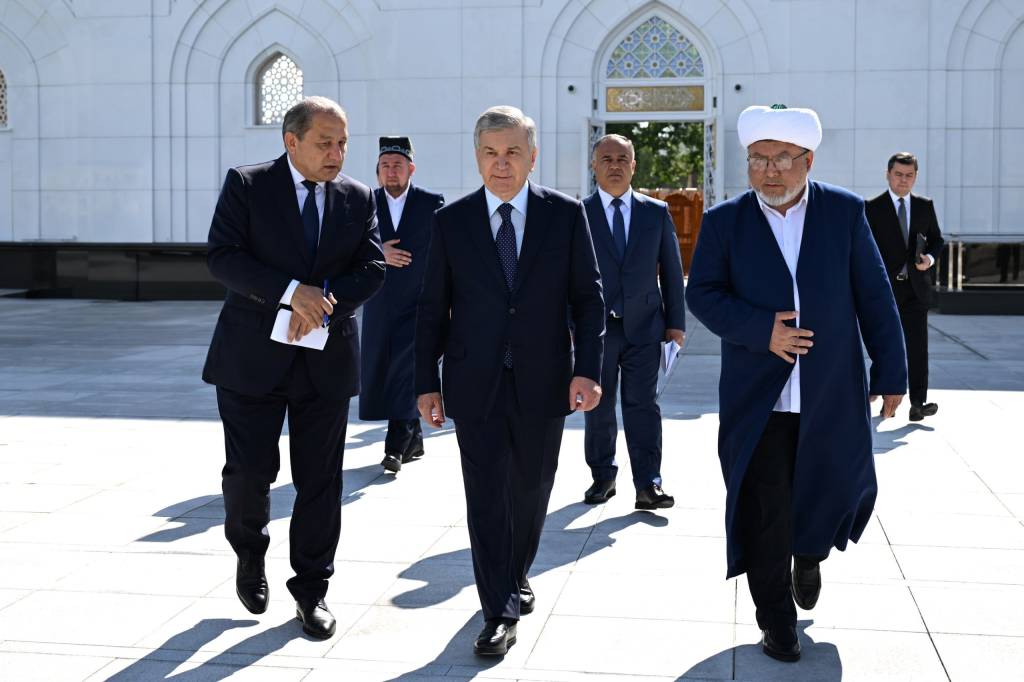
President Shavkat Mirziyoyev gave instructions to create even more comfortable conditions for visitors, expand opportunities to perform religious rites, and facilitate closer familiarity with the legacy of the great hadith scholar.
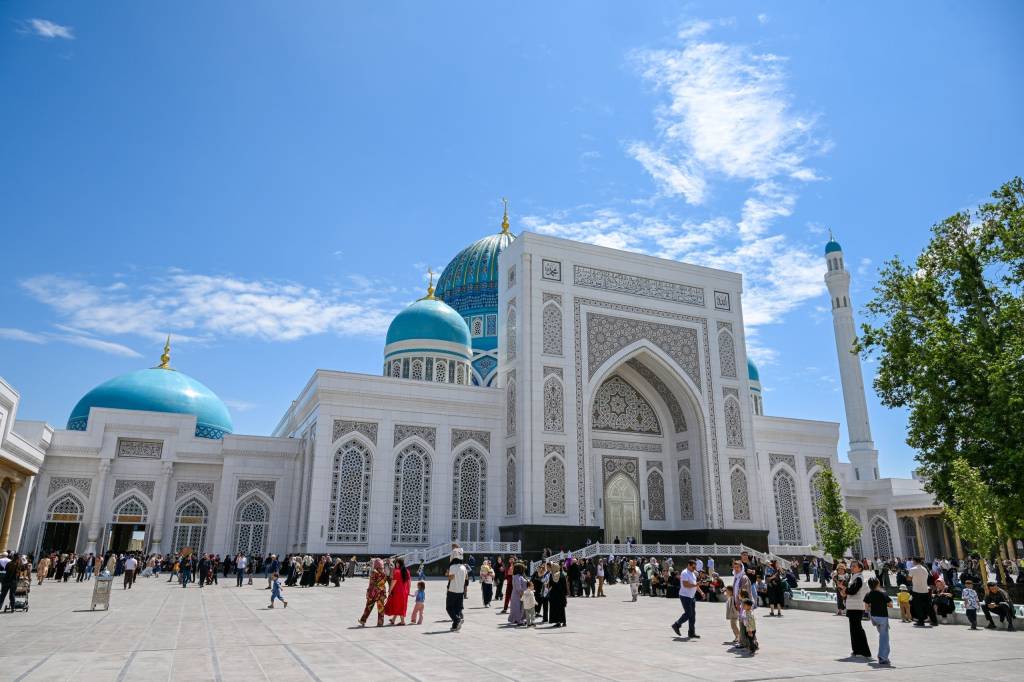
The importance of expanding parking capacity for visitors arriving by car was also emphasized, along with further improvements to walking areas for pilgrims and the creation of a natural, comfortable environment for their rest. The need was noted to continuously analyze the work carried out in this area, to review the conditions created for pilgrims every six months, and to identify additional measures. It was also noted that imams from across the country should be invited to the complex to enhance their qualifications.
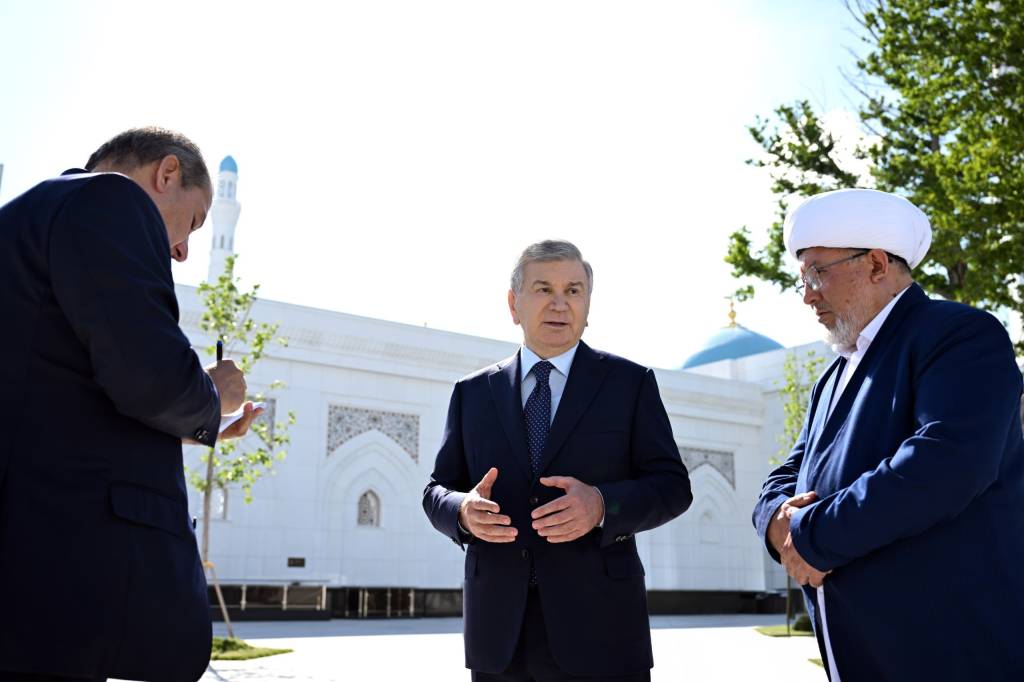
The Head of State highlighted the importance of systematic efforts to improve the culture of pilgrimage, enhance sacred sites and cemeteries, and create decent conditions for their visitation. It was emphasized that strengthening a respectful attitude toward the memory of the deceased has significant spiritual and educational value and helps foster a sense of identity and continuity of national values among the younger generation.
UzA