The energy of change: how SPIEF 2026 is shaping the contours of a new world order and fostering internal resilience
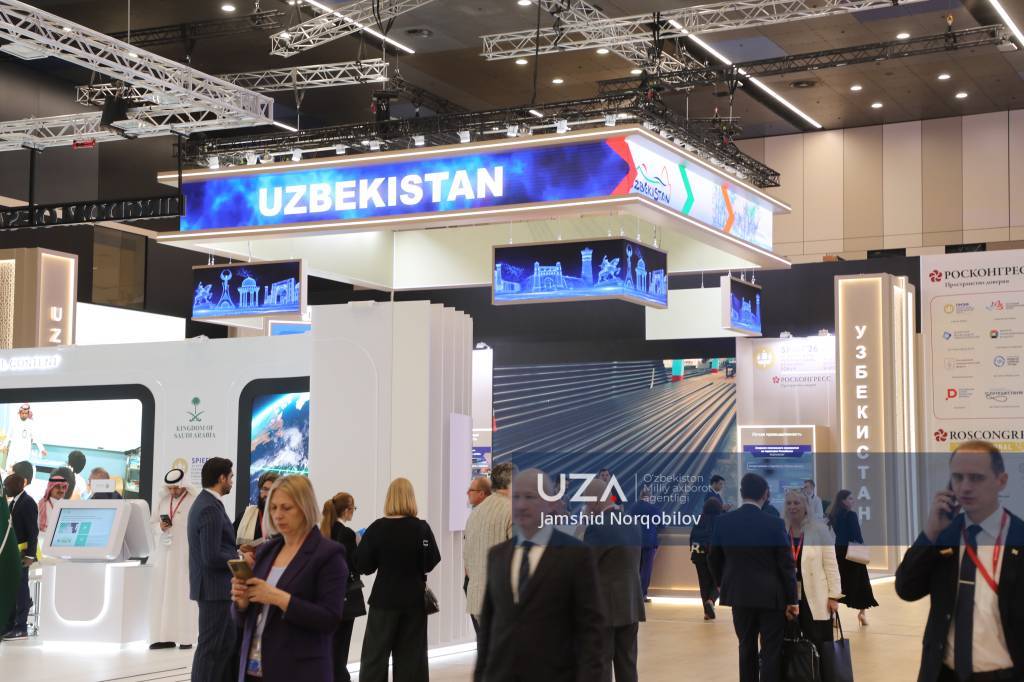
The 29th St. Petersburg International Economic Forum (SPIEF 2026) unfolded like a well-oiled machine, where major global geopolitical changes effortlessly integrated into conversations about practical business issues.
The forum’s main event was traditionally the plenary session. Addressing the participants, the President of Russia Vladimir Putin presented a broad picture of global structural transformation, in which former financial dominants are rapidly losing their legitimacy.
According to the Russian leader, the sovereignization of financial flows is clearly illustrated by domestic indicators: the share of the ruble in Russia’s export settlements has already reached an impressive 65 percent.
The course toward building a multipolar and technologically independent world received strong support from the forum’s foreign guests. Vice President of the People’s Republic of China (PRC) Han Zheng stated that Beijing and Moscow are united in rejecting all forms of hegemonism and are focused on creating a space of mutual respect. The vector of good-neighborliness was also supported by Uzbekistan’s President Shavkat Mirziyoyev. He analyzed the key areas of relations between Uzbekistan and Russia, including strategic partnership and alliance, highlighting the qualitative development of trade and economic cooperation, interregional interaction, industrial cooperation, and energy sector cooperation.
The President of Tanzania Samia Suluhu Hassan, in turn, noted that her country is one of the fastest-growing in Africa. She suggested that Russia export more to her country. Tanzania would also like to export more to Russia, the politician added.
[gallery-29839]
Roman Bondarchuk, UzA
Saint Petersburg