Relations between Uzbekistan and Kazakhstan are in the focus of experts’ attention
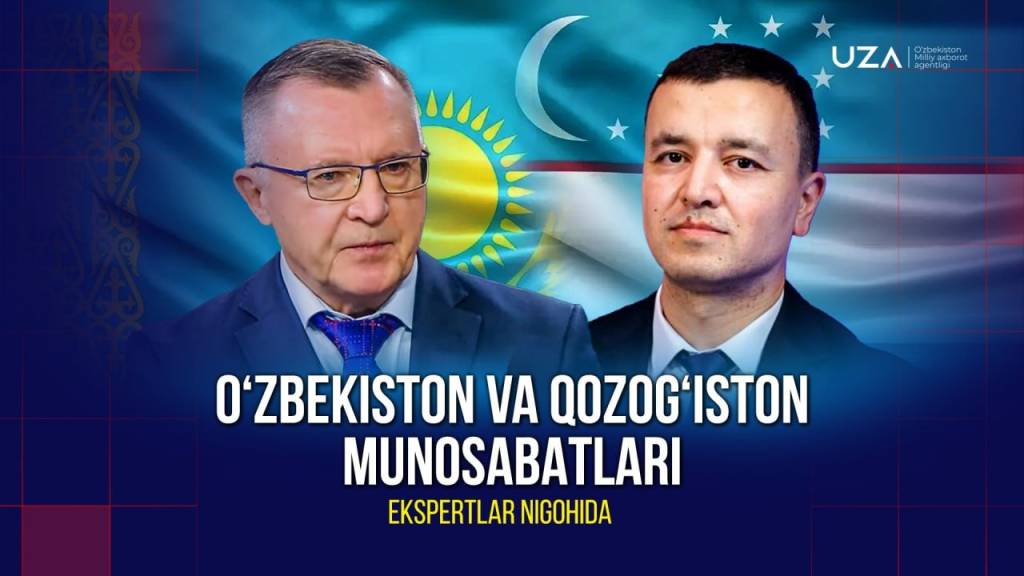
Regular high-level dialogues contribute to deepening the strategic cooperation between Uzbekistan and Kazakhstan.
During the recent summit, the task was set to increase mutual trade volume to $10 billion.
Currently, experts from the two countries are actively discussing possible ways and mechanisms to achieve this goal.
Mukhtor Nazirov, Associate Professor at the International Islamic Academy of Uzbekistan, and Valery Sitenko, senior expert at the Foreign Policy Research Institute (FPRI) under the Ministry of Foreign Affairs of the Republic of Kazakhstan, shared their views on the current state of bilateral relations and the geopolitical situation in Central Asia.
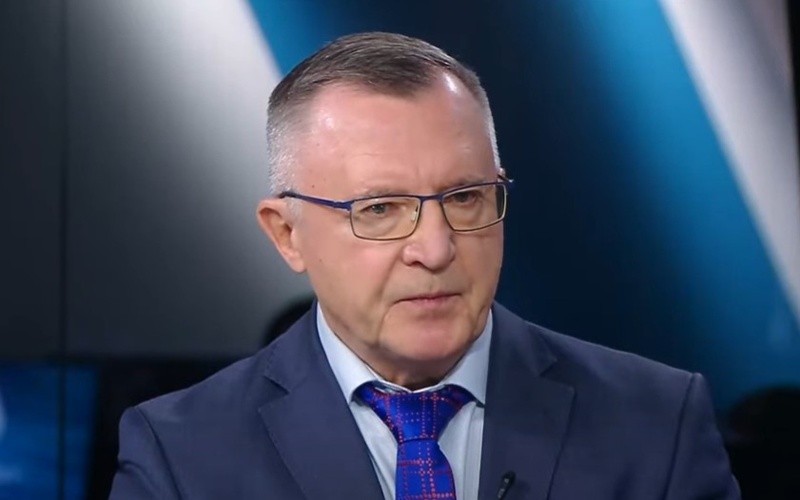
Valery Sitenko:
– Bringing the volume of mutual trade to $10 billion under current conditions seems achievable.
Today, we can observe growing global interest in Central Asia. This is due to geopolitical changes. The region has enormous political and economic potential.
It should be noted that Uzbekistan and Kazakhstan are the primary drivers of the region’s integration process.
Recently, a forum was held in Khiva, with the participation of analysts from Central Asian countries and Germany, where five priority areas for the development of regional integration were identified: the opening of regional institutions, the creation of a single economic space, the improvement of transport corridors, the coordination of foreign policy, and the formation of regional identity.
A new Germany – Central Asia expert dialogue mechanism has also been established in Khiva. These meetings are held regularly. The next meeting will be held in Kazakhstan.
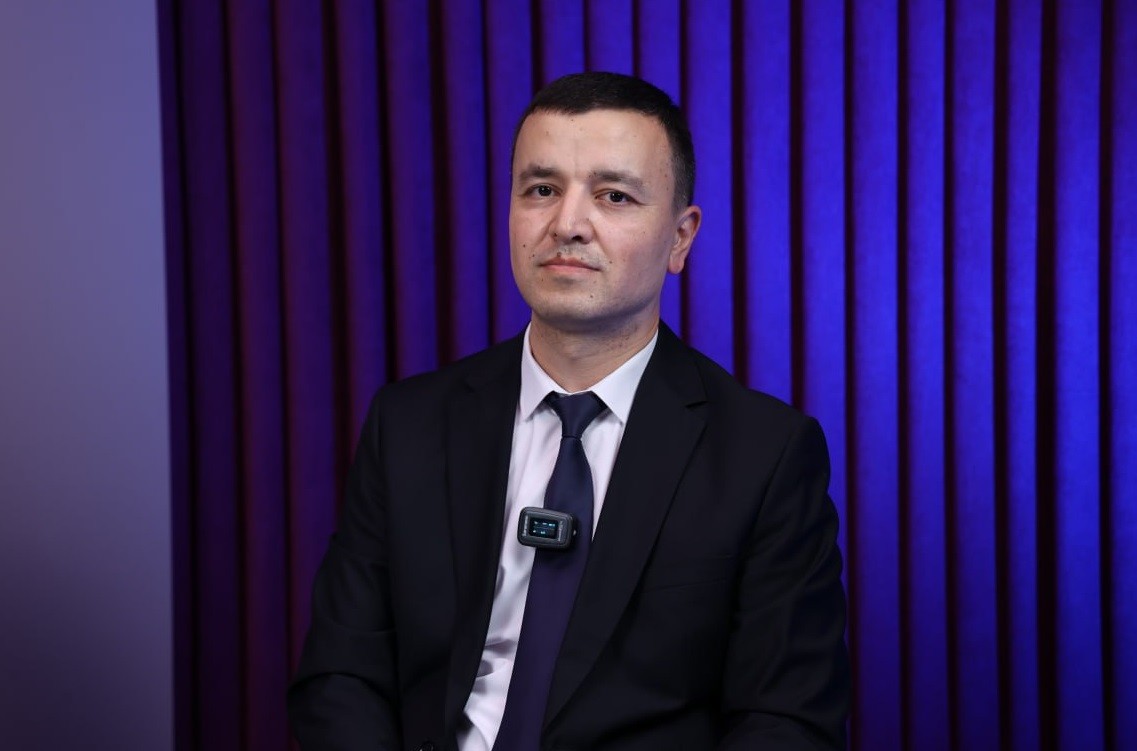
Mukhtor Nazirov:
– Uzbekistan and Kazakhstan have a sufficient economic base to reach the $10 billion milestone. For example, in recent years, mutual trade turnover has exceeded $4 billion. This data indicates that trade relations are transitioning to a phase of sustainable development, strengthening mutual trust and deepening economic integration.
The main feature of the Bukhara dialogue is the presence of a “practical agenda”. Cooperation projects in automotive, logistics, energy, and building materials bring the relationship to the stage of industrial integration.
More than 1,000 joint ventures currently operating in the two countries span the fields of industry, agriculture, building materials, and services. New initiatives in chemistry, geology, and the manufacture of automotive components indicate a continued deepening of the partnership.
Considerable attention will be paid to developing industrial cooperation. In particular, the production of high-value-added products is important. In addition, the efficient use of transport corridors and the simplification and digitalization of customs procedures are of strategic importance.
As is known, the opportunities for the Central Asian states to enter foreign markets are relatively limited. From this perspective, improving border infrastructure and establishing efficient transport corridors help strengthen the geo-economic positions not only of the two countries but also of the entire region. It is not only about the transportation of goods but also about integrating Central Asia into the global supply chain.
Dilshod Hakimov, UzA