Priority tasks outlined in physical culture and sports
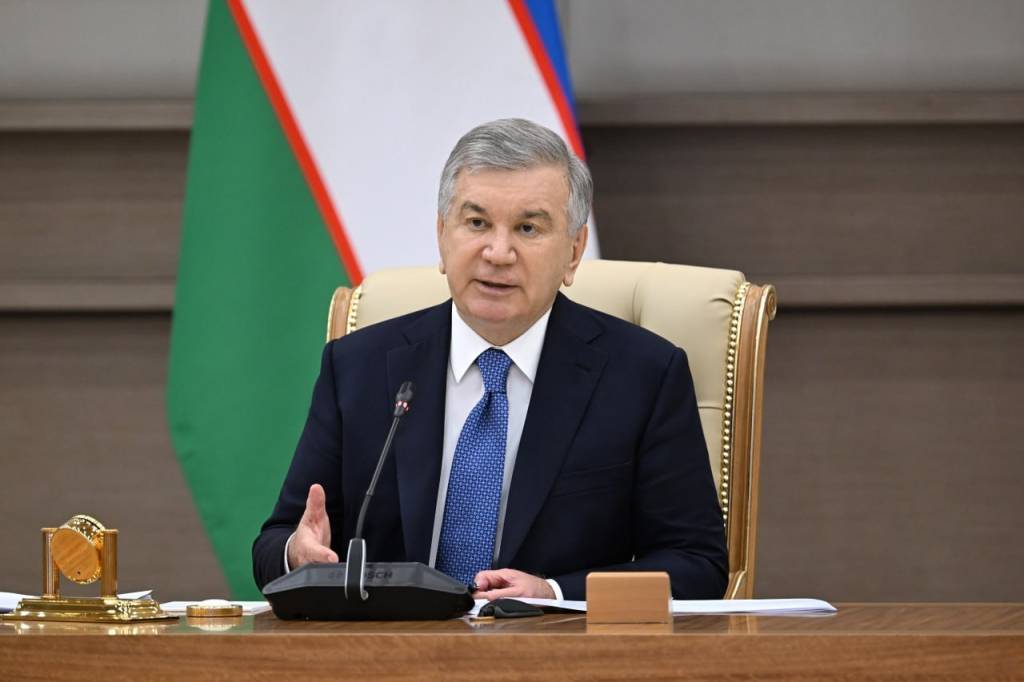
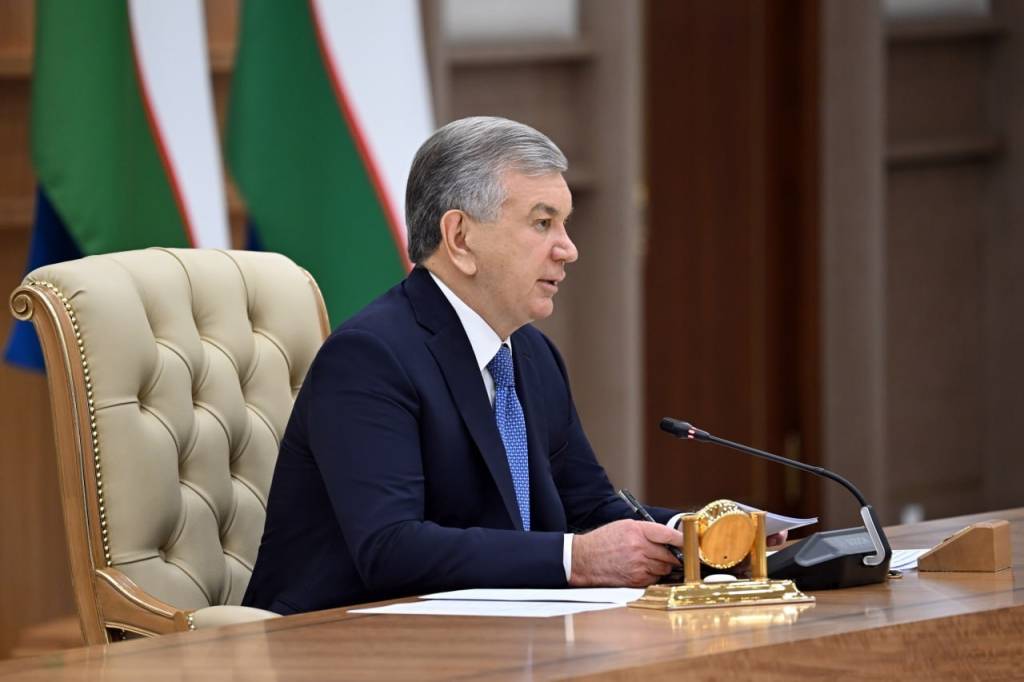
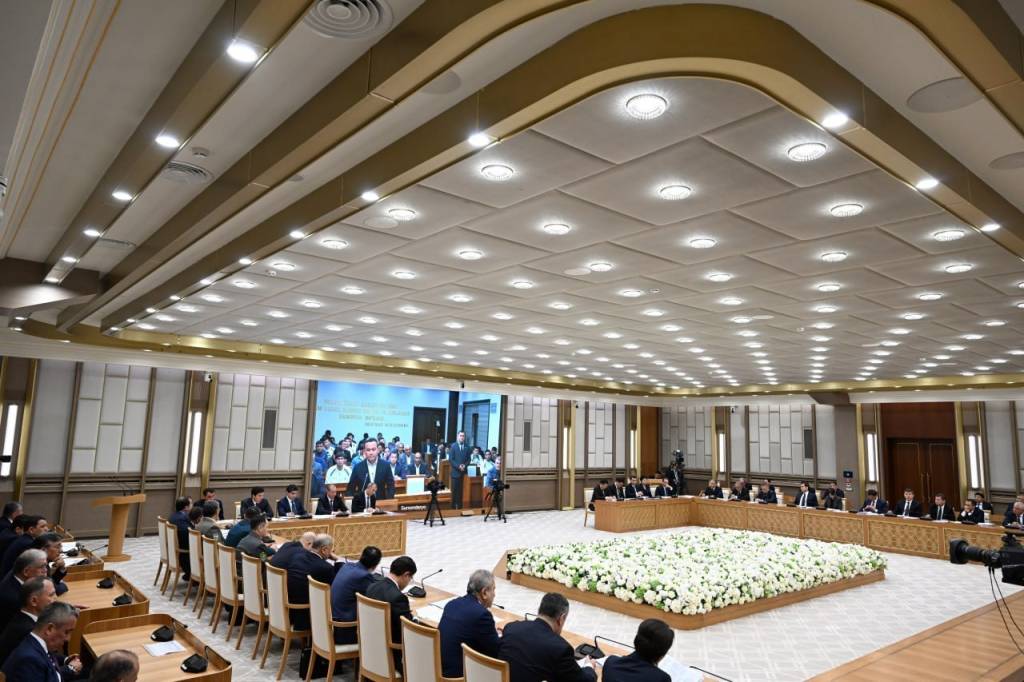
President Shavkat Mirziyoyev chaired a videoconference meeting focused on elevating the physical culture and sports sector to a new level, promoting sports more widely, and improving selection and training systems.
At the meeting, the Head of State emphasized that sport is more than just competitions. It is a powerful force that promotes healthy living, discipline, patriotism, and the country’s reputation.
As noted, over the past nine years, 1,774 modern sports grounds have been constructed in more than 1,500 districts. More than 200 large sports facilities and around 4,000 private sports clubs have been opened across the regions. The number of young people professionally involved in sports has doubled, while the number of athletes in Olympic and Paralympic teams has increased twofold and threefold, respectively.
In the past year alone, the country’s athletes secured 452 gold, 418 silver, and 501 bronze medals at international competitions. Over 50 of them set world and Asian records.
During the meeting, in addition to reviewing the results achieved in this field, a comprehensive analysis of existing problems and shortcomings was conducted.
The activities of the leaders of 26 federations in Olympic sports and of regional hokims were criticized for failing to utilize local potential fully. It was noted that by effectively leveraging the capacities of 207 higher education institutions, 15 Olympic and Paralympic centers, 310 sports schools, and 16 sports boarding schools, outcomes in training champions and earning competition licenses could improve further.
Positive experiences in this area were also noted. Specifically, in Zarbdar district, last year, 34,000 boys and girls from 23 mahallas participated in mass sports activities. Three new sports halls dedicated to table tennis, taekwondo, and volleyball have been constructed in the district. In collaboration with entrepreneurs, two indoor football fields and a fitness club have been established. As a result, Zarbdar district will host Uzbekistan’s volleyball and table tennis championships for the first time this year.
Responsible officials have been instructed to review the Zarbdar experience and apply it across all regions.
It was noted that in some schools, clubs are only formally organized, which is why only 3-4 children attend. For example, last year, a quarter of schoolchildren in Jizzakh, Kashkadarya, and Fergana did not meet the minimum physical fitness standards.
Hokims have been assigned the responsibility of creating the necessary conditions for sports sections to operate in every school, as well as expanding coverage and increasing children’s participation in sports.
Today, the results of some specialized sports schools are no different from those of regular sports schools. For example, the performance of four specialized schools in Termez is not comparable to that of just one sports school in Jarkurgan. Last year, this sports school won six medals at Asian and world championships, while the four specialized schools in the region only earned one medal.
It was emphasized that the working methods of the director, staff, and coaches at each specialized sports school need to be changed. Growth points should be clearly defined, and a link should be established between their monthly salaries and their trainees’ results.
Additionally, sports schools that have achieved high results will receive a separate reward system of 500 million UZS, in addition to existing incentive procedures.
The work on the development of sports in higher education institutions was also critically reviewed. Insufficient interaction with federations and limited work on assigning individual coaches to talented students were noted. At Jizzakh Polytechnic Institute, the Termez branch of the Tashkent Medical University, Karshi State Technical University, and Bukhara State University, 70 percent of students did not meet the physical fitness standards. This indicates shortcomings in the work of sports clubs at these institutions.
In this regard, the rectors of 207 higher education institutions have been instructed to examine Termez State University’s positive experience in this area and to develop specific annual plans for sports development.
During the meeting, the results were also examined by individual sports disciplines. In particular, it was noted that positive outcomes are being achieved in this sport due to the creation of necessary conditions at the shooting base. Growth was observed in football, wrestling, cycling, athletics, and swimming.
At the same time, criticism arose that the number of athletes training at six fencing bases in Jizzakh does not even reach 100, and that the potential in ski jumping, acrobatics, tennis, and equestrian sports is not being fully utilized.
It was noted that today, the rehabilitation of athletes after injuries, muscle condition assessments, and functional analysis are mostly conducted abroad, and federations are compelled to hire foreign sports doctors, pharmacologists, and dietitians.
In the future, each specialized medical center will collaborate with the relevant sports federations. The centers will conduct monthly health assessments of national team members, evaluate injury risks, analyze physical loads, and provide medical advice to coaches.
The Head of State also proposed several initiatives to elevate reforms in this area.
From now on, the effectiveness of mass sports in mahallas will be evaluated not only by coverage but also by public health indicators. In each region, one district will be chosen to develop a “health balance”. A team of healthy lifestyle volunteers will be formed from residents who are actively involved in sports. They will promote sports activities and healthy lifestyle principles in mahallas.
In each district, within this system, the 10 most exemplary mahallas will receive free sports uniforms and equipment. In mahallas where sports participation increases, public health improves, and cases of cardiovascular diseases and diabetes decline, the volunteer and the mahalla chairperson will earn an incentive of up to 15 million UZS at the end of the year. The coach overseeing mass sports activities in the mahalla will be awarded a salary bonus of up to 200 percent.
It was noted that intensive workouts that do not require special equipment or extensive infrastructure, such as CrossFit, are growing in popularity worldwide. Accordingly, the task was assigned to establish CrossFit clubs in all schools and technical colleges by May 1. Next year, CrossFit will be added to the “Five Initiatives” system.
A new procedure to promote sports within government agencies and organizations was also established at the meeting. From now on, each minister, head of a sector, bank, as well as regional and district hokims, must set an example for their employees by encouraging sports and creating more opportunities for them.
To serve this purpose, one day each week will be designated as Sports Day. On this day, sports activities will be organized in ministries, agencies, and organizations. Starting this year, national championships will be held annually among ministries, sectors, banks, and hokimiyats.
Additional opportunities for developing public sports will also be created in the private sector. Specifically, entrepreneurs will be able to deduct expenses related to the construction and equipment of gyms and sports fields for their employees from their corporate income tax base. The personal income tax and social tax for coaches will be set at 1 percent.
It was also announced that a fundamentally new approach will be introduced, based on the “district – school – sports institution – federation” cycle, to engage the population in sports and in selection work.
From now on, a tripartite agreement will be established among the university rector, the federation head, and the hokim. Under this agreement, hokims will provide the necessary conditions and facilities for organizing sports sections in schools, technical colleges, and other sports facilities in the region, where students can participate in sports outside of class hours.
The significance of involving students from sports universities in dual education and assigning them roles as coaches in sports clubs was also highlighted. Such students will automatically receive a coaching certificate. Fifty percent of the club’s income will be allocated to the student coach. Graduates of dual education will earn a refereeing certificate along with their diploma.
At the meeting, a goal was set to double the number of citizens actively involved in sports this year through the new system, reaching 1 million people.
Responsible officials have been instructed to develop a unified platform that uses artificial intelligence to analyze athletes’ and coaches’ performance and facilitate the creation of training plans.
It was emphasized that scientific research in sports should now focus solely on addressing urgent problems and that its results should be applied directly in practice. If scientific advancements produce tangible effects, help improve athletes’ achievements, and increase the number of medals at international competitions, those researchers will receive a bonus of 100 million UZS.
Particular attention was given to developing the Olympic and Paralympic movements. Starting this year, as part of the Presidential Olympics, the number of sports disciplines in which competitions will be held will double to 21. These events will now also include Paralympic sports. Each district and regional hokim will host a Hokim’s Olympics in their respective areas, with the winners earning qualification for the Presidential Olympics.
The training and advanced qualification system for personnel in adaptive sports will also be significantly updated. The Tashkent branch of Herzen Russian State Pedagogical University will serve as the main institution for inclusive sports.
The President specifically highlighted that the success of Uzbekistan’s para-athletes largely relies on the dedication of those who support them around the clock. From now on, expenses for transportation and lodging for their companions to training camps, national, and international competitions will be covered. Additionally, they will receive a monthly salary equal to that of coaches at sports schools.
The Head of State emphasized that in Uzbekistan, sport should become not only a guarantee of health and high results, but also a profitable sector.
From this perspective, issues related to organizing matches of the national football championship were also examined. It was noted that because some matches are held during working hours, fan attendance remains lower than expected.
Responsible officials have been instructed to create a program to significantly boost stadium attendance by rescheduling matches to weekends or to evening hours after 7:00 PM, organizing additional services and musical and entertainment events around the stadiums, ensuring convenient transportation options for fans, and offering affordable football tour packages.
The meeting also examined the state of sports infrastructure in the regions. As noted, 39 outdoor and indoor sports facilities in the regions are not being fully utilized because they need repairs. In this regard, responsible officials have been instructed to prepare a draft resolution to transfer these facilities to public-private partnership arrangements, transforming them into modern sports complexes.
A proposal to open sections for non-Olympic sports that are of interest to young people in sports schools, as well as to establish the Confederation of Non-Olympic Sports of Uzbekistan, was also approved.
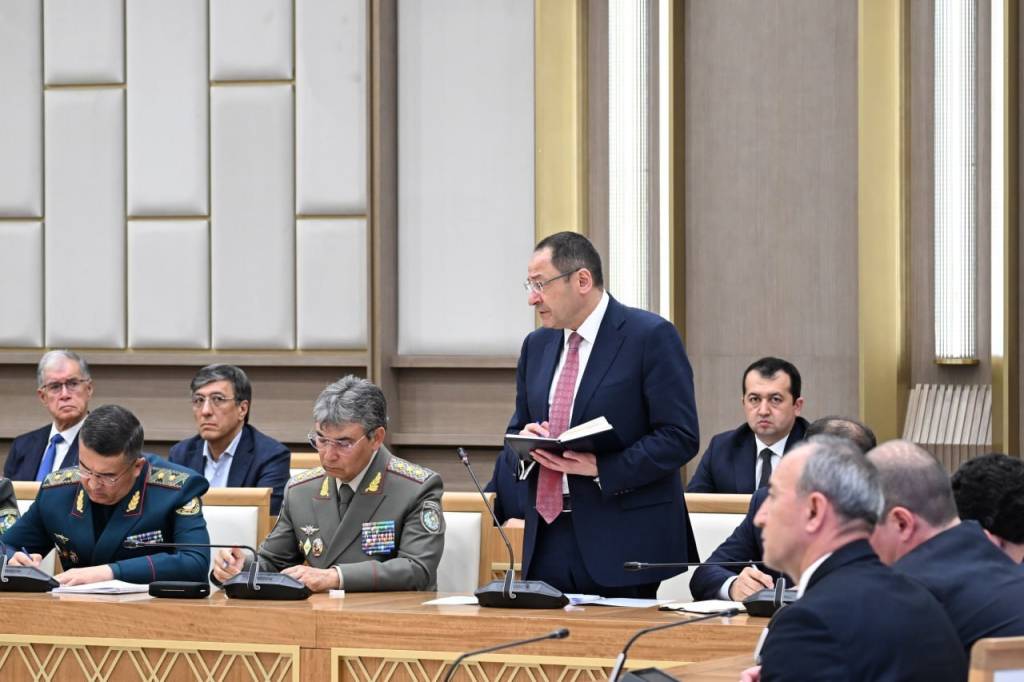
During the meeting, the Head of State listened to reports from sector leaders and hokims, and also talked with entrepreneurs and athletes.
UzA