President reviews progress of major healthcare investment projects
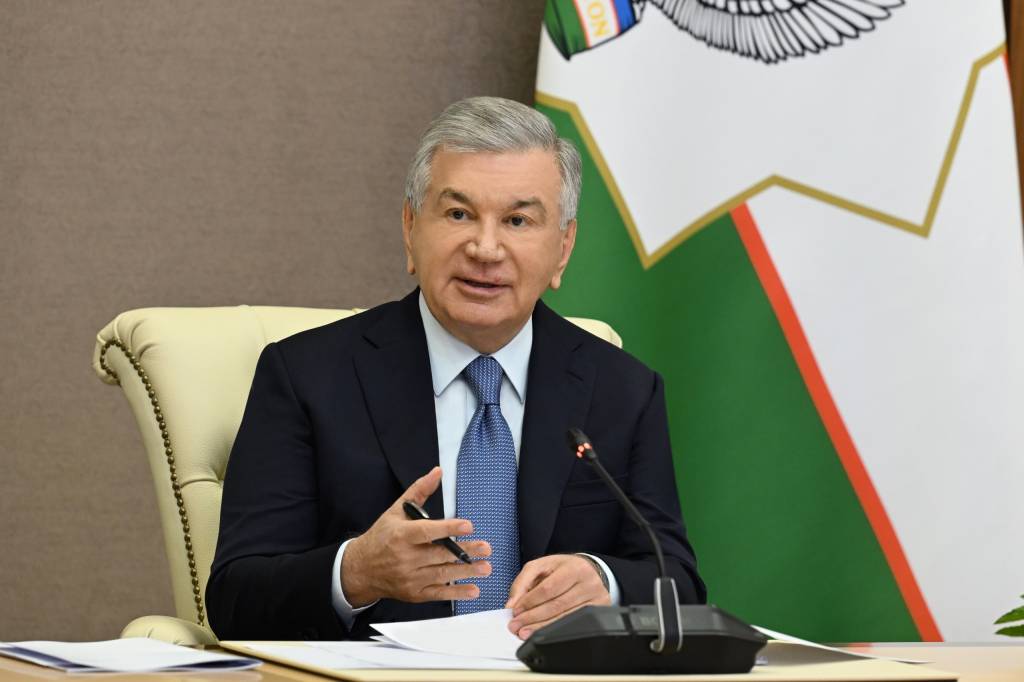
President Shavkat Mirziyoyev reviewed the progress of major investment projects aimed at modernizing Uzbekistan’s healthcare system and expanding access to high-quality medical care.
A portfolio of 35 investment projects worth a total of $2.7 billion has been formed in the healthcare sector. The projects envisage the construction of new specialized centers and multidisciplinary hospitals, the modernization and advanced equipment of existing healthcare facilities and the training of highly qualified medical professionals.
The location, capacity, and range of services provided by new and modernized healthcare facilities must match the needs of the population. The presentation focused on shaping investment projects on this basis, increasing private sector participation, and introducing new approaches to the management of medical institutions.
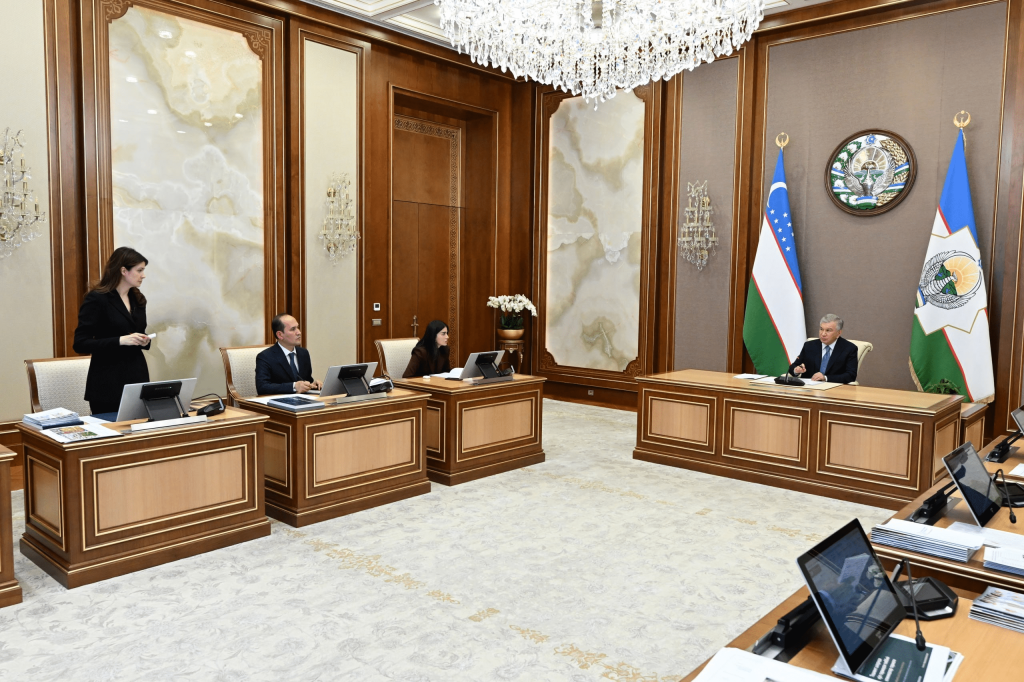
Plans include constructing the National Oncology Center, the Republican Neurology and Stroke Center, a multidisciplinary medical center for adults in Tashkent region, new hospitals in Kashkadarya region, and a Maternal and Child Health Center in Nukus. Other initiatives include launching medical education programs in Termez, establishing an 800-bed hospital in Samarkand under a public-private partnership model, and creating a multidisciplinary medical facility in Bukhara region.
Information was presented on the progress of work being carried out within the framework of these projects.
In addition, proposals have been developed for nine prospective projects with a total value of $1 billion. These initiatives cover the development of neurology and stroke services, the expansion of pediatric oncology and hematology infrastructure, improvements to emergency medical care and its vehicle fleet, and the training of healthcare personnel.
In the future, investment attraction in the healthcare sector will be linked to the master plan for healthcare infrastructure development. On this basis, it was proposed to develop an investment strategy extending through 2040. Existing projects will first undergo a comprehensive review to assess their relevance and implementation potential. Projects aligned with the needs of individual regions will then be selected, and a unified portfolio together with investment passports will be prepared. The strategy will define priority areas for cooperation with private investors, international financial institutions and development partners.
Outsourcing was highlighted as an important mechanism for expanding private sector participation in healthcare. Under new regulations due to come into effect next year, healthcare institutions will be permitted to purchase certain medical and support services from private providers. The proposals envisage long-term contracts with service providers, predefined service volumes and quality standards, and performance assessment based on clear criteria. The objective is to increase the share of outsourced services in healthcare procurement to 30 percent by 2030.
To ensure transparency, the introduction of a dedicated electronic Healthcare Outsourcing system is planned. The platform will maintain a unified registry of services, providers and contracts, while also tracking service volumes, quality indicators and payments. Integration with the public procurement system is also envisaged.
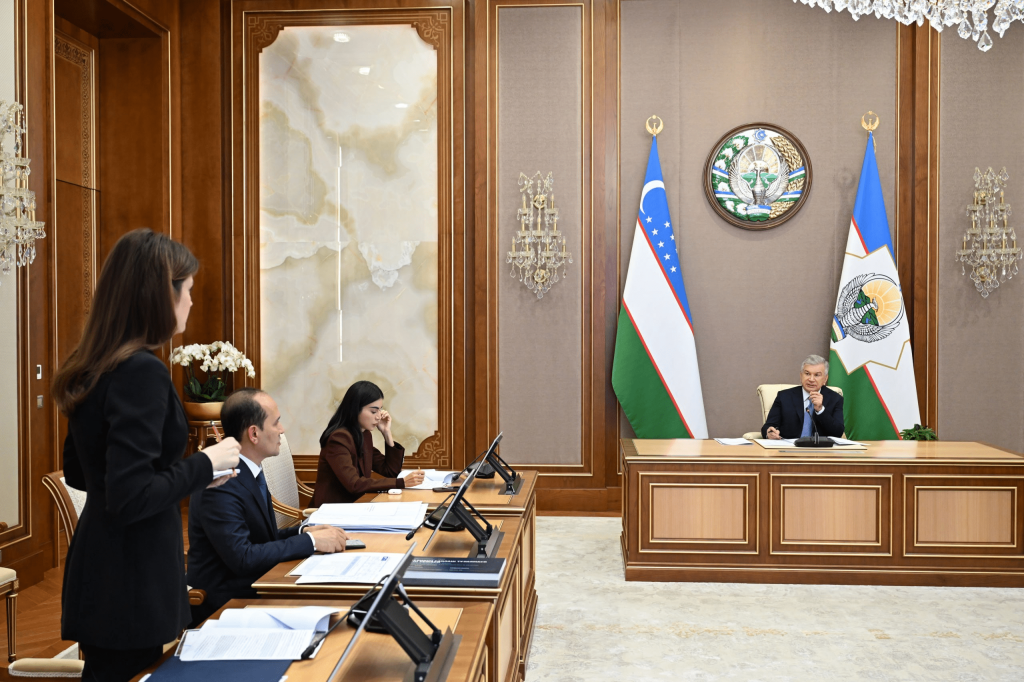
The issue of attracting professional managers to major medical institutions was also discussed. Plans call for their selection through open competition and the annual evaluation of their performance against established key indicators. By 2030, this management model is expected to be introduced in five major healthcare institutions.
The Head of State instructed responsible officials to develop the sector’s investment strategy and proposed projects based on the healthcare master plan, and to accelerate the implementation of ongoing initiatives.
UzA