Nadia Zakariah: “Cooperation between states is also built on communication and trust between people”
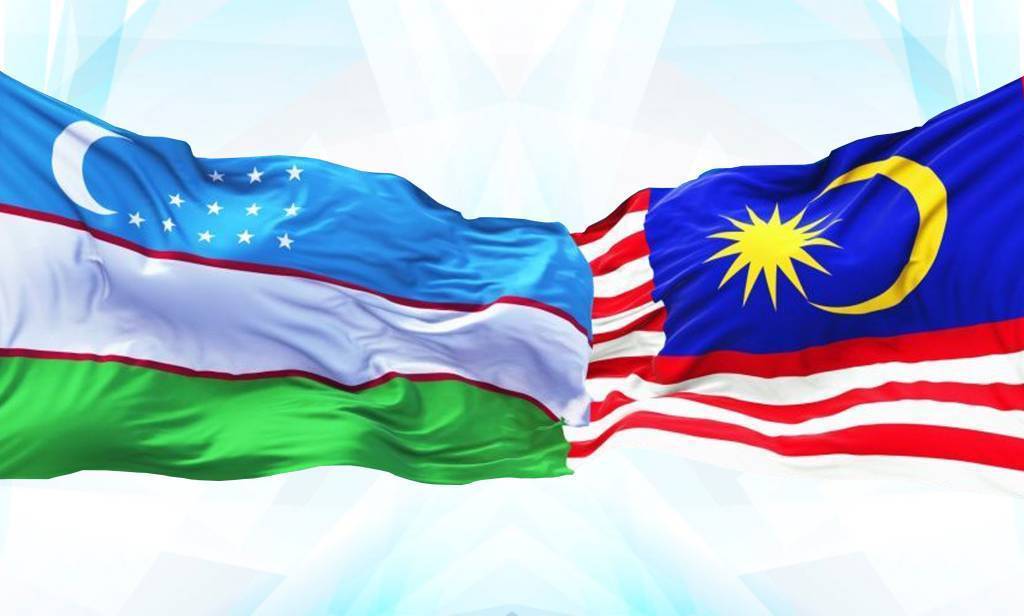
Uzbekistan and Malaysia are consistently deepening cooperation in tourism, culture, and education. In recent years, this process has intensified, particularly due to the launch of direct flights between the two countries, the signing of memorandums on cultural cooperation, and the growing mutual interest in the tourism market.
Halal tourism, family travel, and the development of cultural and educational routes are considered especially promising areas.
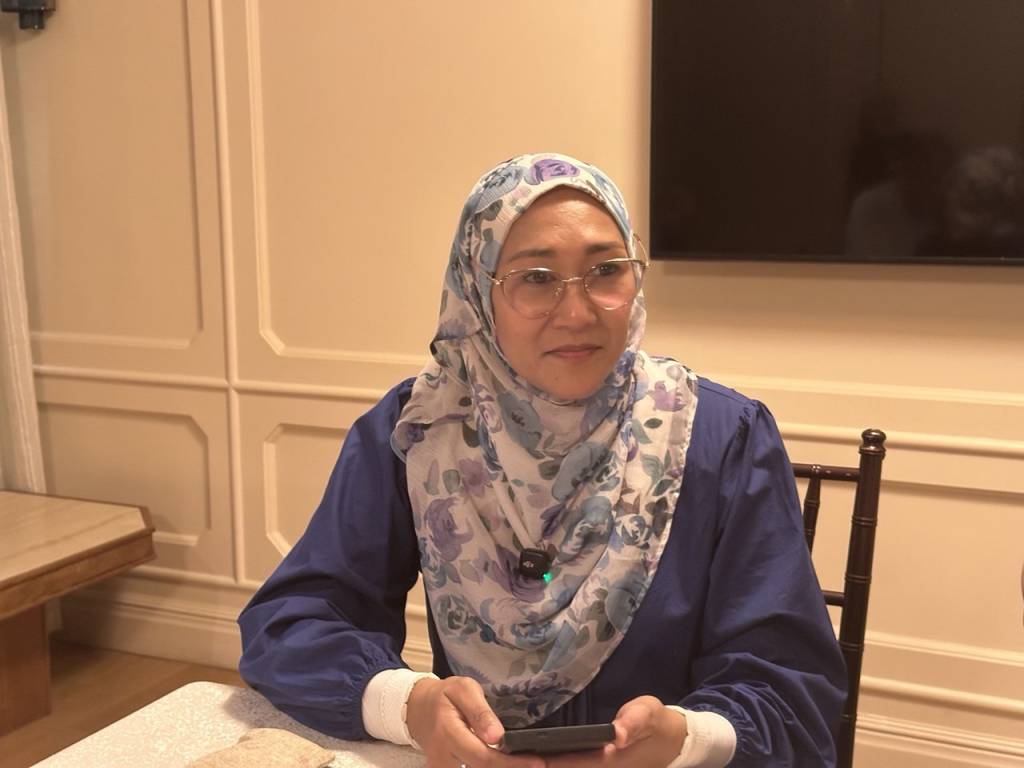
As part of a press tour in Malaysia, a conversation took place with Nadia Zakariah, Senior Assistant Director of the International Promotions Division at Tourism Malaysia, under the Ministry of Tourism, Arts and Culture.
– Would you please tell us what steps our countries have already taken to develop cooperation in the field of tourism?
– Friendly relations between our states continue to strengthen. It is important to note that tourism plays a significant role not only in economic development but also in strengthening mutual understanding, cultural affinity, and friendship between people. In 2025, a Memorandum of Understanding (MoU) on cultural cooperation was signed between the governments of the two countries. This document became an important step toward expanding the exchange of experience in various cultural fields.
This cooperation is planned to be implemented through platforms such as international art festivals, symposia, and bilateral seminars. The memorandum reflects the two states’ commitment to developing culture as an important component of modern diplomacy. In addition, it aligns with Malaysia’s policy of supporting the national creative industry and contributes to achieving the United Nations Sustainable Development Goals.
In 2025, a delegation of nearly 30 representatives from Malaysian tourism companies paid a working visit to Uzbekistan. The main purpose of the trip was to strengthen cooperation in the tourism sector and explore new opportunities for interaction.
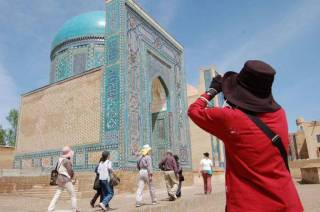
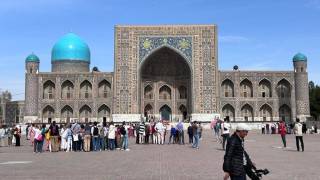
The visit was organized with the support of the Embassy of Uzbekistan in Malaysia and the Tourism Committee of Uzbekistan. During the week, the delegation visited the country’s key tourist destinations – Tashkent, Samarkand, Bukhara, and Jizzakh. The guests became acquainted with cultural heritage sites, Islamic tourism locations, and tourism infrastructure projects. Meetings were also held with representatives of government institutions and businesses, during which issues related to developing new tourism products and marketing initiatives were discussed. The delegation arrived in Tashkent from Kuala Lumpur on a direct flight, underscoring the importance of developing direct air connectivity.
Such events open up broad opportunities to identify prospects for the industry’s development and to strengthen partnership.
– What dynamics has the flow of tourists from Uzbekistan to Malaysia shown recently?
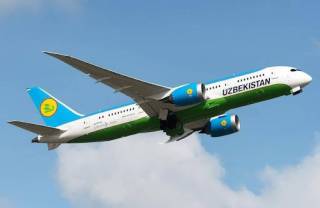
– In 2025, the Central Asian market demonstrated noticeable growth compared to previous periods. The launch of new direct flights largely facilitated this. In particular, on October 16, 2025, AirAsia launched flights on the Tashkent – Kuala Lumpur route, operating three times a week. In addition, on December 15, 2025, Batik Air Malaysia began operating weekly flights on the Tashkent – Langkawi route. These routes have significantly improved transport connectivity and strengthened Malaysia’s image as an attractive tourist destination in the region.
The majority of travelers are families, tourists who prefer relaxing beach holidays, and those interested in halal tourism. At the same time, interest in active forms of recreation is also growing. Tourists are increasingly choosing trekking, mountain biking, and active exploration of natural landscapes.
– Would you please tell us about the cities in Malaysia that are most interesting for tourists from Central Asia? What exactly attracts their attention?
– Malaysia offers its guests a wide variety of experiences, destinations, and types of leisure. For example, the Langkawi archipelago is known for its picturesque islands and is considered an ideal place for tourists who prefer seaside holidays.
Kuala Lumpur attracts travelers as a modern metropolis where a dynamic urban environment, rich cultural life, and extensive shopping opportunities are harmoniously combined. Pulau Pinang, better known as Penang, is one of the most popular destinations for those who value cultural and gastronomic experiences. Its scenic nature and cool climate distinguish the Cameron Highlands region. The state of Sabah also attracts considerable interest among foreign visitors, as it harmoniously combines unique natural beauty, rich culture, and opportunities for active recreation.
Cultural and religious similarities play an important role in strengthening tourism exchange between Malaysia and Uzbekistan. Travelers seek not only to see attractions, but also to experience cultural closeness. Such an atmosphere fosters trust and makes it easier to choose a travel destination.
Knowing that Malaysia offers halal cuisine, prayer facilities, and a favorable cultural environment, tourists from Uzbekistan find it easier to decide to travel to this country. In turn, Malaysians show great interest in Uzbekistan’s rich Islamic heritage, its historic madrasahs and mosques, and the country’s role in the development of Islamic scholarship.
– How much can tourism help build friendly relations between Uzbekistan and Malaysia?
– In many cases, tourism becomes the first step toward mutual understanding between countries. Often, even before official intergovernmental agreements are signed, people grow closer through travel and cultural exchange.
Tourism brings together airlines, tour operators, hotels, halal certification organizations, and cultural institutions, creating broad opportunities for cooperation. It also opens new prospects for educational exchanges, youth programs, and cultural initiatives.
Ultimately, tourism reminds us of a simple truth: relations between states are built not only on politics, but also on communication, mutual trust, and human connections. The phrases Selamat Datang in Malaysia and Khush Kelibsiz in Uzbekistan are not just greetings, but symbols of the sincere hospitality of the two peoples. That is why tourism serves as an important tool for strengthening friendship and cooperation between the two countries.
[gallery-28151]
Interviewed by Nasiba Ziyodullayeva, UzA