Migration: Understanding human mobility in an era of global transformation

As globalization deepens, migration has become one of the most defining social phenomena of the 21st century. The movement of people – whether internal or international – affects labor markets, social stability, security, cultural exchange, and demographic developments across the globe. New economic opportunities, climate change, technological progress, and geopolitical tensions are reshaping migration flows, making them more complex and multidimensional than ever before.
Central Asia is no exception to these transformations. In recent years, the region has witnessed a notable rise in labor migration, academic mobility, and movements driven by education, trade, and tourism. Uzbekistan, in particular, is actively strengthening its institutional mechanisms to manage both outbound and inbound migration. The country aims not only to ensure safe and orderly migration for its citizens but also to advance regional cooperation toward more coordinated and humane migration governance.
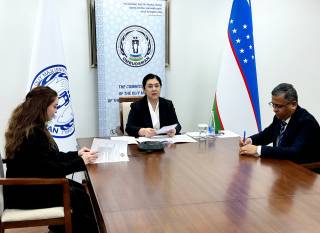
In this context, a video interview was conducted with Gray Andrew Jeremy, Chief of Mission of the International Organization for Migration (IOM) in Uzbekistan. The conversation focused on key migration trends, regional collaboration, and Uzbekistan’s evolving role in shaping the future landscape of human mobility.
<iframe width="680" height="420" src="https://www.youtube.com/embed/a3L2vkVsWMI" title="Migration: Understanding Human Mobility in an Era of Global Transformation" frameborder="0" allow="accelerometer; autoplay; clipboard-write; encrypted-media; gyroscope; picture-in-picture; web-share" referrerpolicy="strict-origin-when-cross-origin" allowfullscreen></iframe>Musulmon Ziyo, video by Doniyor Yoqubov, UzA