Legal migration reduces the risk of human rights violations
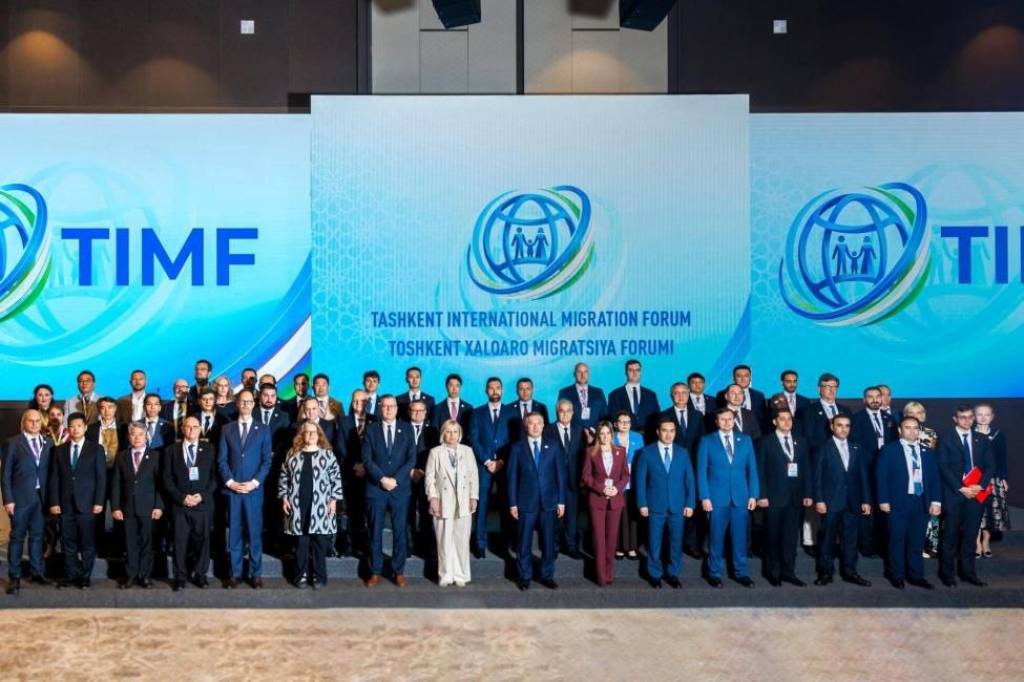
Legal migration reduces the risk of exploitation and human rights violations, strengthens the social and legal protection of labor migrants, serves the interests of states and employers, and contributes to sustainable socio-economic development.
This was noted by Academician Akmal Saidov, Director of the National Human Rights Centre of the Republic of Uzbekistan, during the Tashkent International Migration Forum.
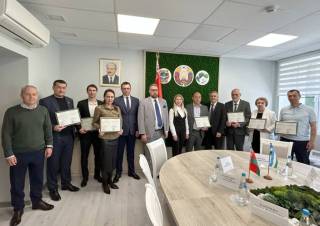
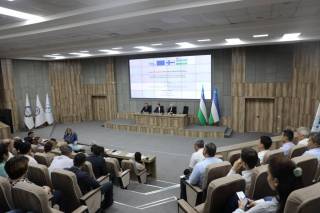
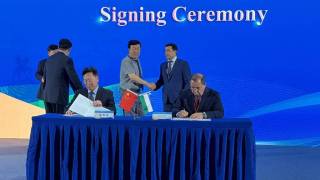
The First International Migration Forum on the social and legal protection of labor migrants and their families, held in Tashkent on May 18-19, was organized by the Migration Agency under the Cabinet of Ministers of the Republic of Uzbekistan, in collaboration with the International Organization for Migration (IOM).
As Mr. Saidov emphasized, the country’s Constitution, adopted in a new edition in 2023, establishes that a person’s life, freedom, honor, dignity, and rights are the highest value.
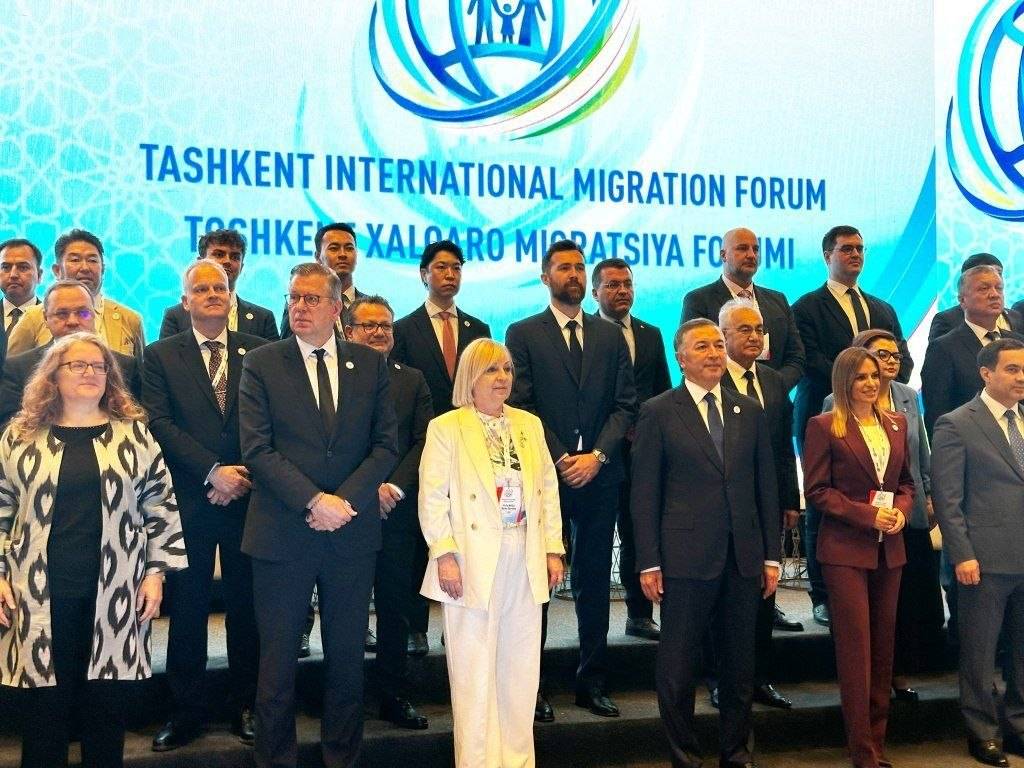
In New Uzbekistan, migration and the protection of labor migrants’ rights are considered inextricably linked to the tasks of sustainable development, poverty reduction, and the strengthening of social justice. On this basis, Uzbekistan has, in recent years, established an integrated system to regulate labor migration and support citizens at all stages of the migration process.
According to a report by the International Organization for Migration, there are about 304 million migrants worldwide, of whom 168 million are labor migrants. They make a significant contribution to the global labor market and economic growth.
Currently, about 1.2 million of our citizens are officially employed abroad. At the same time, their remittances are an important factor in the development of the country’s economy.
The First International Migration Forum in Tashkent brought together about 600 participants from more than 40 countries around the world on one platform. Its main goal was to strengthen cooperation in the field of migration with Central Asian countries and other states, and to ensure safe, orderly, and regular migration.
N. Usmanova, UzA