Key tasks outlined to enhance governance and accountability within the energy sector
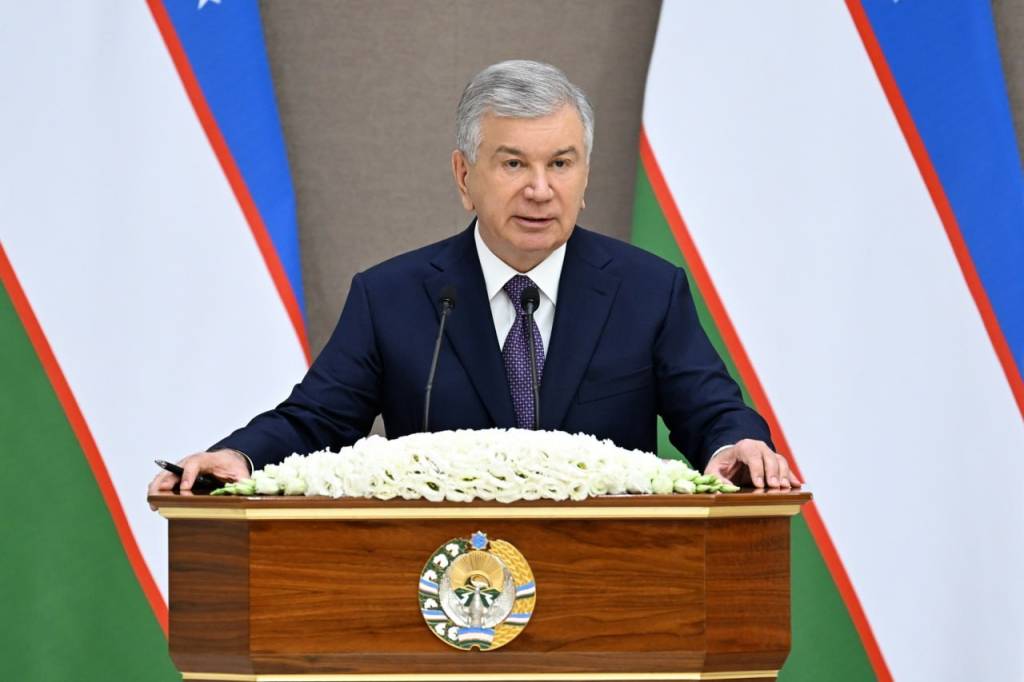
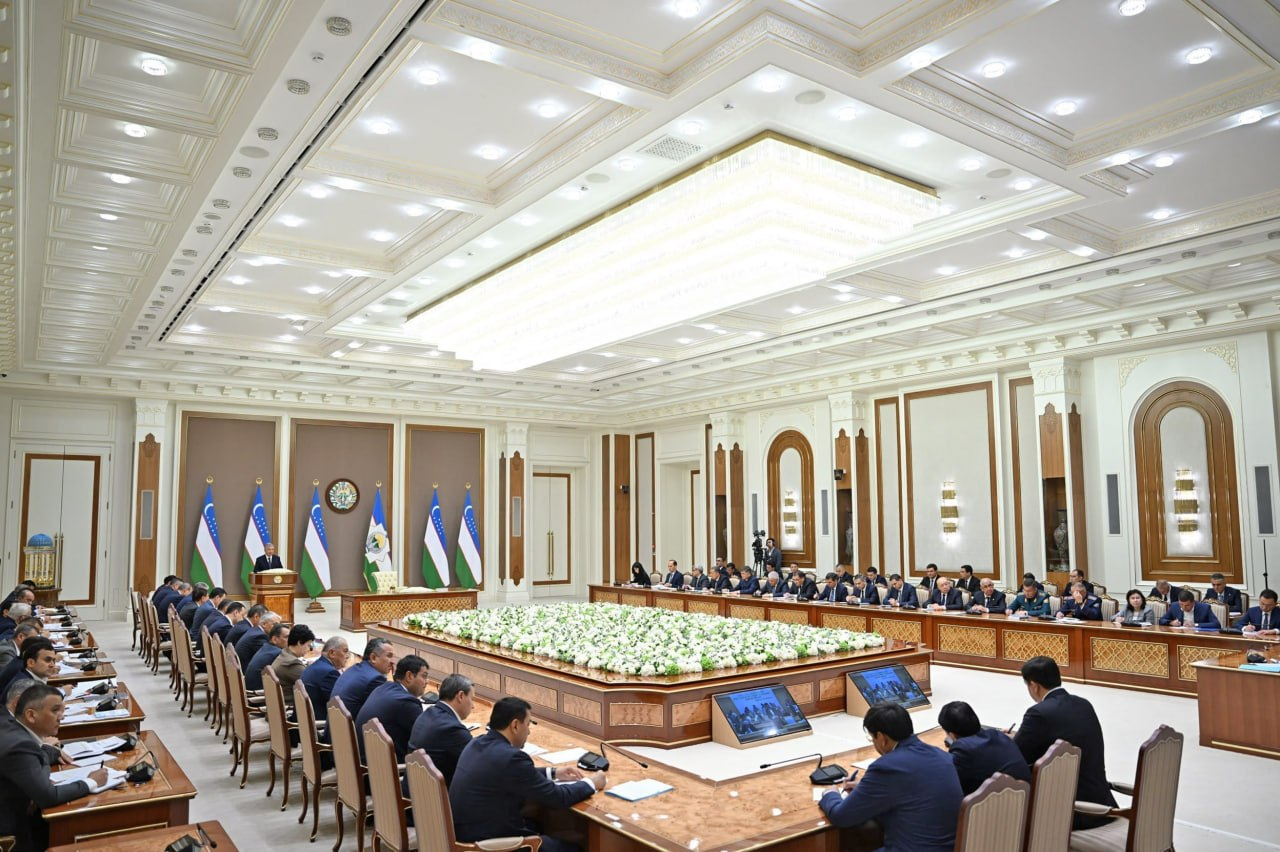
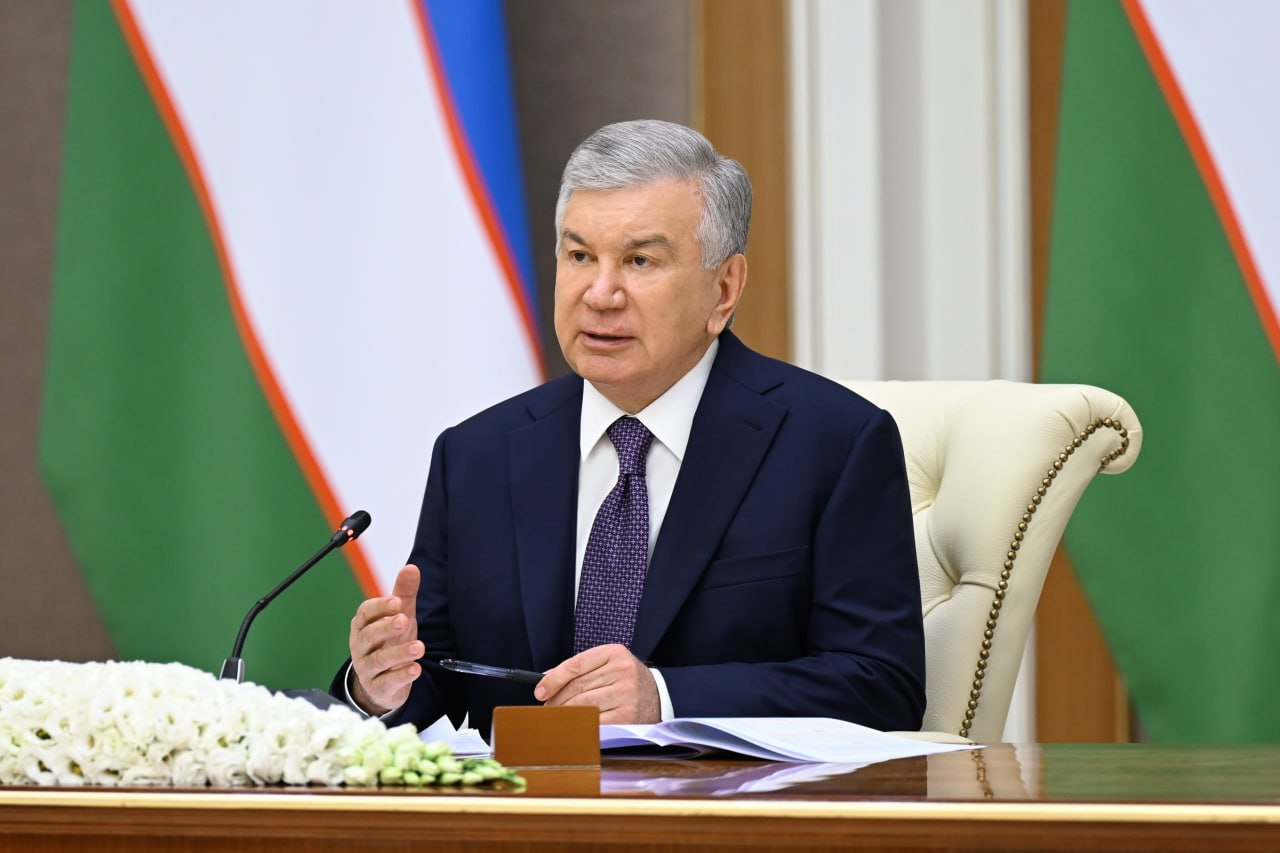
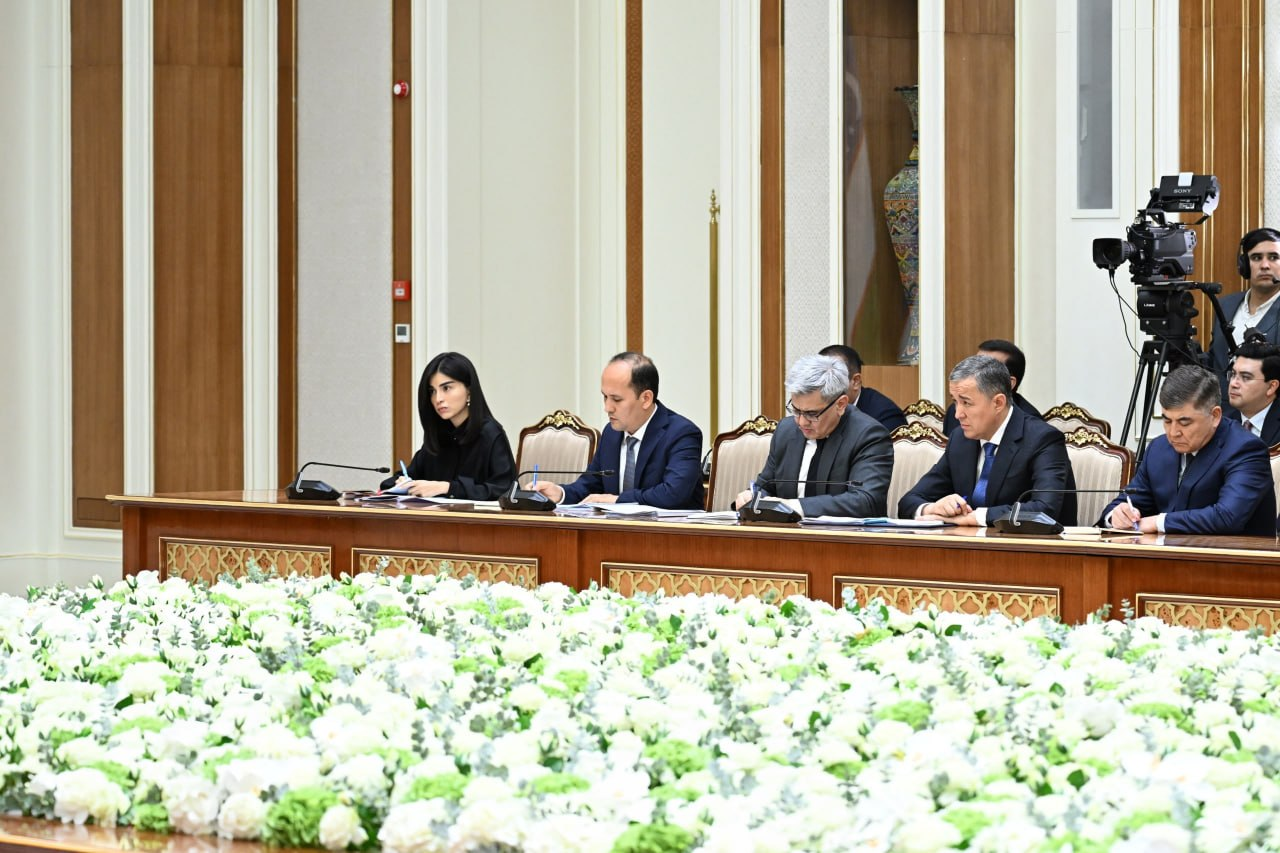
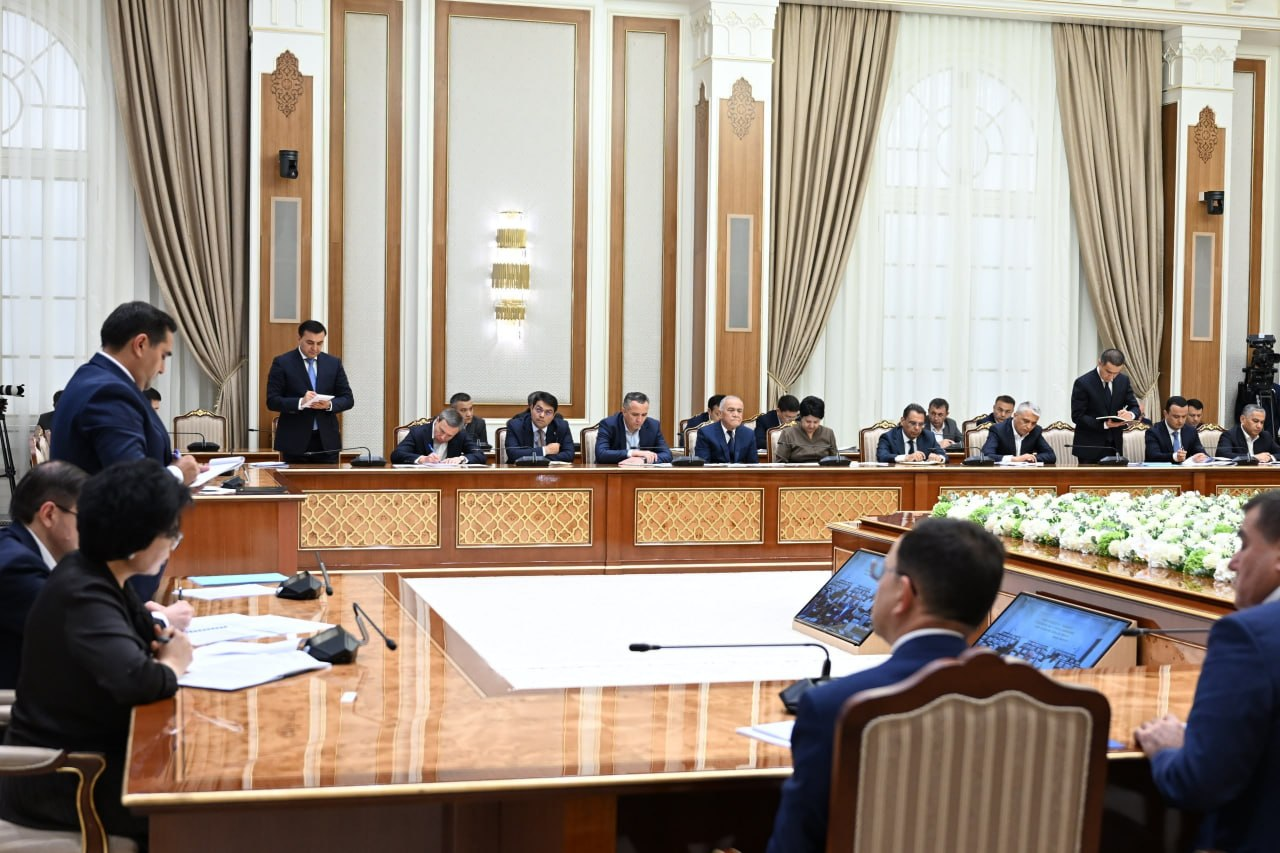
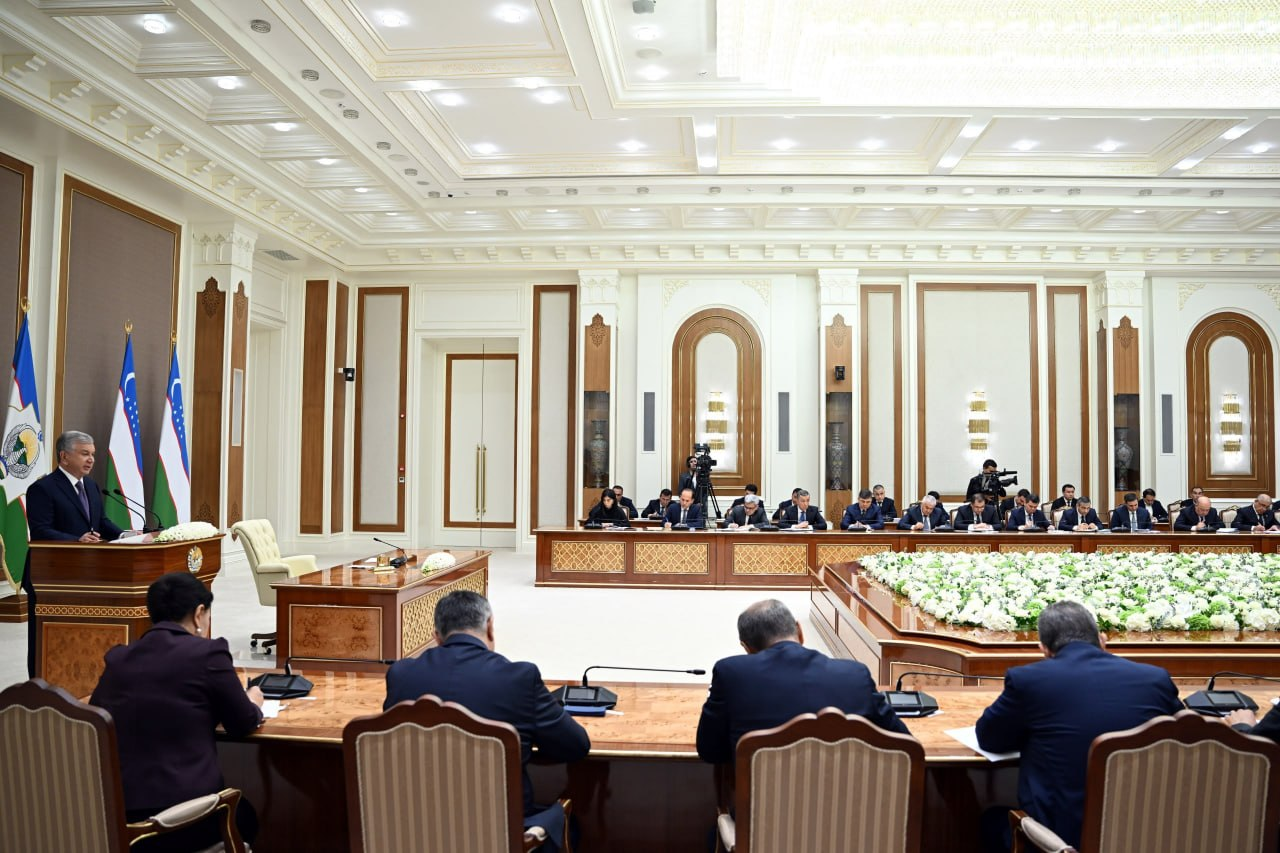
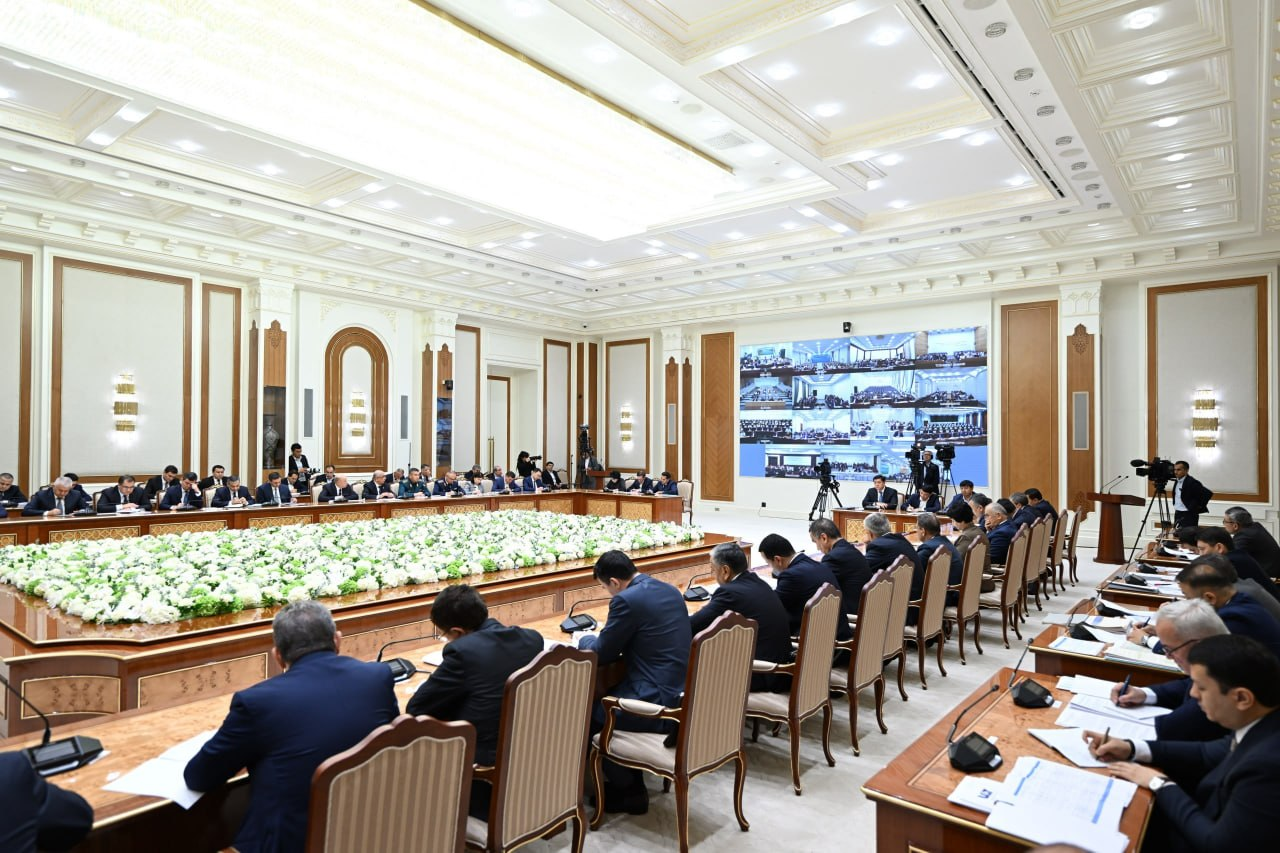
President Shavkat Mirziyoyev chaired a meeting devoted to priority tasks in the fuel and energy sector.
The Head of State noted that significant reforms in the energy sector have taken place over the last decade. The appropriate legal and institutional frameworks are now in place to attract private companies and foreign investors.
As a result, $23 billion in foreign investment has been attracted to the energy sector, and power plants totaling 9.5 gigawatts of capacity have been commissioned across the country. A total of 30 trillion UZS has been allocated for the modernization of electricity and gas networks, substations, transformers, and gas distribution equipment.
At the same time, it was noted that serious shortcomings remain in the effective use of the opportunities created, in system management, and in ensuring implementation discipline and proper oversight at the local level.
“We need to be clear: the issue in the energy sector is not funding, as we allocate sufficient resources. The real problem is in the system’s management”, the President highlighted.
As noted, the level of infrastructure development is nearly the same across the regions, yet the quality of electricity and gas supply may differ significantly. This is primarily due to differences in accountability, oversight and personal responsibility among managers.
In June and July of this year, about 4,000 incidents occurred in electricity networks. As a result, residents and businesses in certain regions were left without electricity for up to 8-10 hours. Moreover, many regions failed to anticipate the increase in electricity consumption and the growing strain on infrastructure.
Electricity losses in the networks stand at 17.2 percent. Over the past six months, losses totaled 4.8 billion kilowatt-hours.
Although automated metering systems for electricity and gas exist, hundreds of thousands of meters still do not send data to the centralized system. This hinders accurate consumption measurement, reduces loss prevention, and increases accounts receivable.
The Head of State emphasized that the performance of every manager in the energy system should, first and foremost, be reflected in people’s daily lives and in entrepreneurs’ activities.
Due to serious shortcomings in the systems under their responsibility, the Minister of Energy and the head of Regional Electric Networks JSC were dismissed from their posts. The heads of National Electric Grid of Uzbekistan JSC, Thermal Power Plants JSC, Uztransgaz JSC and Hududgaztaminot JSC were placed on probation until the end of the year.
It was noted that the newly appointed heads of the Ministry of Energy, Regional Electric Networks, and Uzenergyinspection must adopt a fundamentally new approach to organizing their work starting today.
A new system has been established for organizing electricity and gas supply at the district and mahalla levels. An energy balance will be developed for each area, taking into account the needs of the population, businesses, and social facilities.
It will be clearly determined which mahallas require modernization of electricity networks, transformers, or gas distribution equipment. Targeted programs will be developed to reduce accidents, connect metering devices to the unified system, and significantly reduce energy losses and accounts receivable.
A task was set to create a model system in this area in Yangiyul district. The monthly, quarterly, and annual electricity and natural gas needs of residents and businesses across the district’s 51 mahallas will be thoroughly assessed.
Based on a detailed plan, the required infrastructure, repair work, and sources of financing will be identified. All measures are scheduled for completion by October 1, making Yangiyul district a model for electricity and gas supply.
This experience will subsequently be extended to all districts and cities nationwide. Energy sector executives will be assigned to the most challenging districts and will coordinate the work with local hokimiyats.
Particular attention was paid to the widespread adoption of digital technologies and artificial intelligence in the energy sector.
A Center for the Digitalization of the Fuel and Energy Sector, along with the Introduction of Artificial Intelligence Technologies, will be created within the Ministry of Energy. This Center will thoroughly analyze the entire “generation – transmission – distribution – supply” chain and develop optimal development scenarios for the sector.
Data from the automated electricity and gas metering systems will be analyzed using AI, and a platform will be launched to automatically detect suspicious consumption, losses, and outstanding debts.
In addition, the performance of every manager and employee in the sector will be assessed using specific efficiency indicators. The main criteria will include the number of emergency and scheduled outages, the level of losses, the volume of accounts receivable, the availability of reserve capacity, and the implementation of repair programs.
The meeting also discussed preparations for the autumn-winter period. Currently, 1,916 mahallas are experiencing difficulties with natural gas supplies.
Accurate estimates will be prepared to improve the stability of residential heating systems, strengthen the electrical infrastructure, and meet additional electricity demand in these areas. A separate program will be developed for mahallas requiring priority financing.
Currently, 3.7 million households use liquefied gas. As noted, despite the digitalization and streamlining of the system, the issue of ensuring the timely and guaranteed supply of liquefied gas to consumers has not yet been fully resolved.
A task was set to involve the private sector more broadly in liquefied gas supply. The new practice will initially be introduced in Andijan region.
Entrepreneurs will be allowed to supply households and businesses with liquefied gas, whether imported independently or purchased through commodity exchange trading. Families included in the Unified Social Protection Register will receive subsidies for liquefied gas purchases. By the end of the year, an “Andijan model” will be developed in this area and subsequently extended to other regions.
A task was set to increase liquefied gas production from the planned 520,000 tons to 606,000 tons by year-end.
It was also proposed to allocate liquefied gas cylinders based on households’ actual needs. The system for transporting, storing, and distributing liquefied gas will be revised in line with international experience and standards.
The Head of State also separately focused on training personnel for the energy sector in modern knowledge and practical skills.
Today, about 5,500 students are enrolled in energy-related programs at 25 technical universities. At the same time, due to insufficient integration of education and practical training, it takes graduates two to three years to fully adapt to professional work.
In this regard, instructions were issued to completely revise higher education curricula in fuel and energy-related fields and to bring their laboratories and practical training facilities into line with modern requirements.
Beginning with the new academic year, half of all third-year students and all fourth-year students will be enrolled in dual education programs. Priority will be given to training specialists in solar and wind power generation systems, electric vehicle charging stations, and other modern technologies.
Following the meeting, responsible officials were given specific instructions to ensure the high-quality, timely implementation of assigned tasks and to radically strengthen implementation discipline and personal accountability in the sector.
UzA