Javlon Vakhabov: The Central Asia – Türkiye format is not an alternative to existing platforms
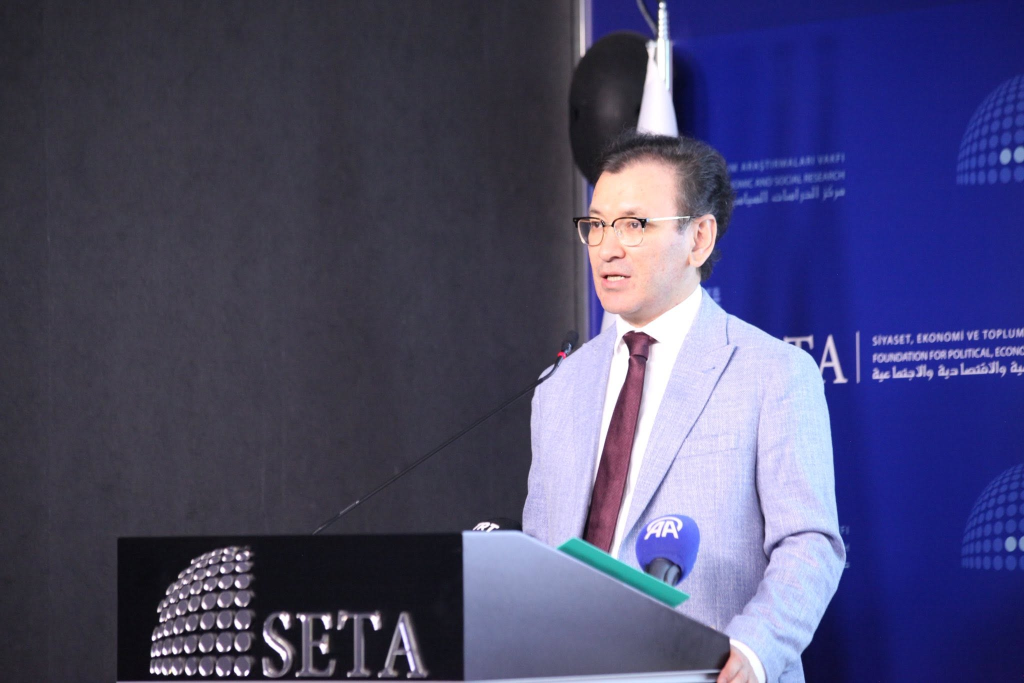
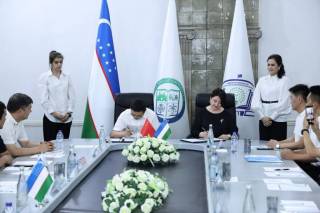
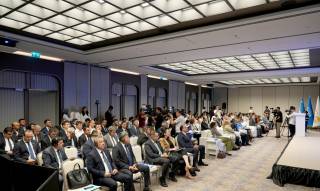
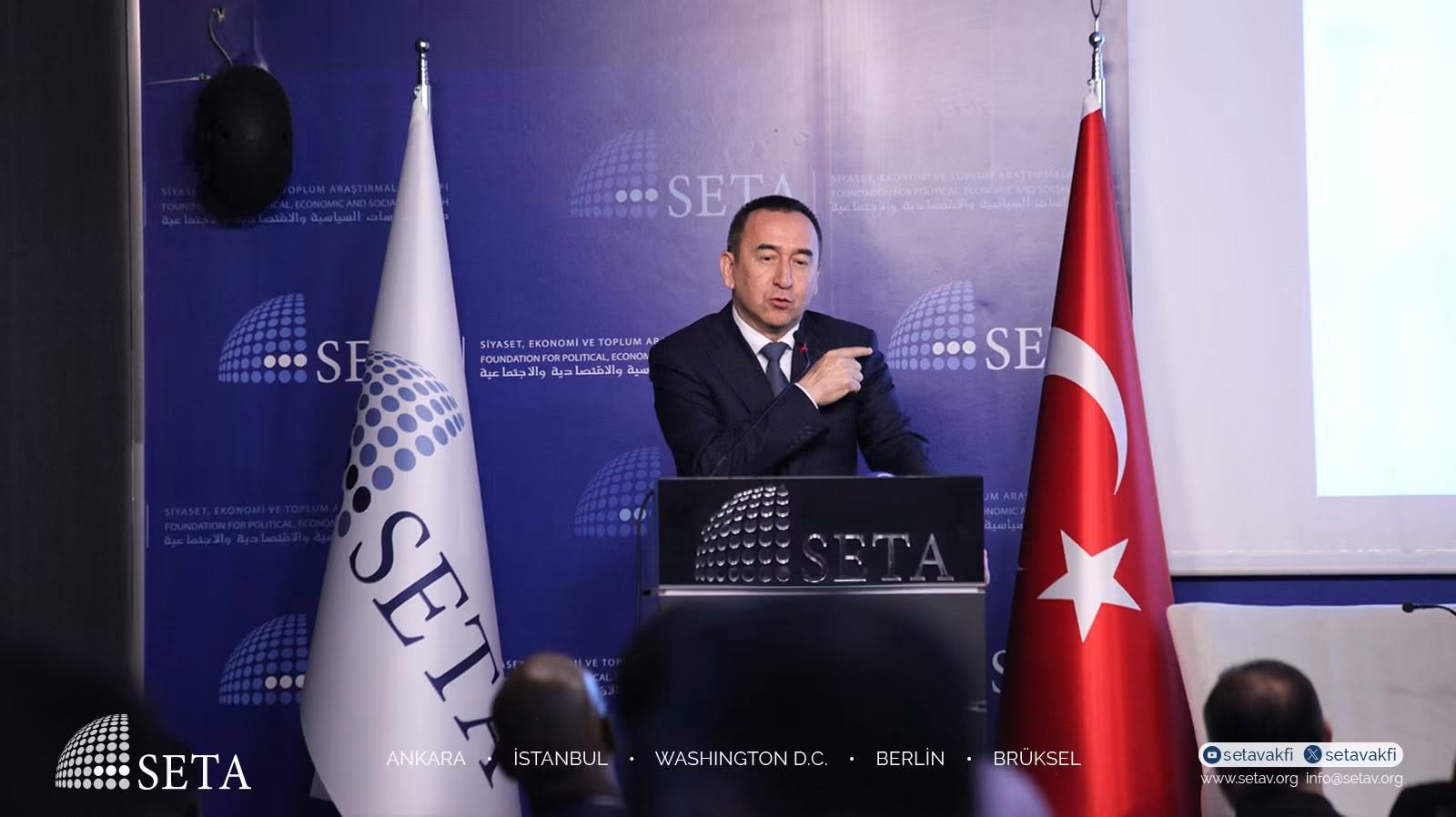
Javlon Vakhabov, Director of the International Institute for Central Asia (IICA), participated in the forum “Central Asia – Türkiye: Common Future in a Changing World”, organized in Ankara by the Foundation for Political, Economic and Social Research of Türkiye (SETA) in collaboration with IICA.
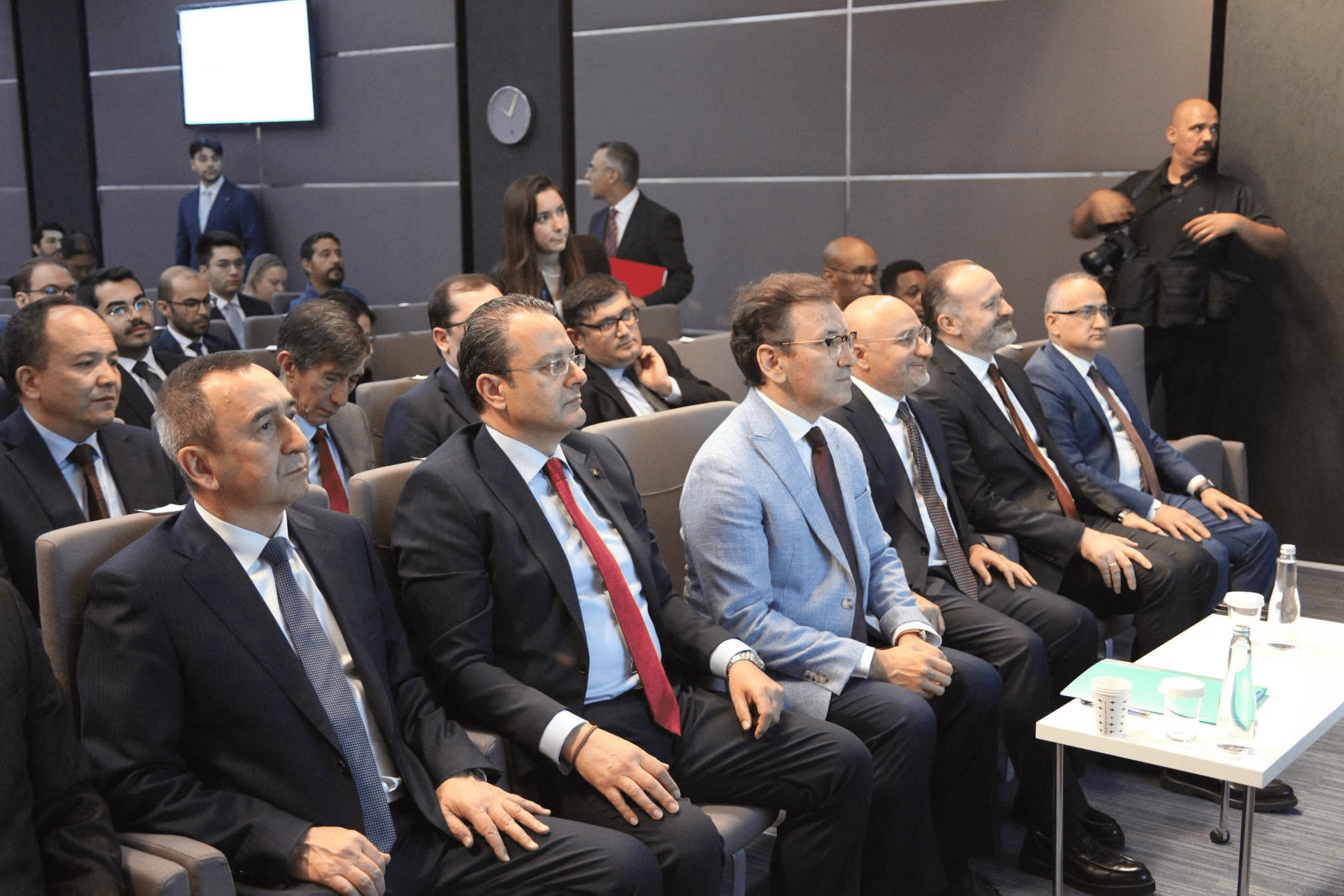
The event gathered representatives from government agencies, the diplomatic corps, major think tanks, and academics from Türkiye and Central Asian countries.
The participants explored opportunities to enhance strategic cooperation between the two regions amid an evolving international landscape. They focused on areas such as trade, investment, energy, transport connectivity, technology, education, culture, and the growth of expert dialogue.
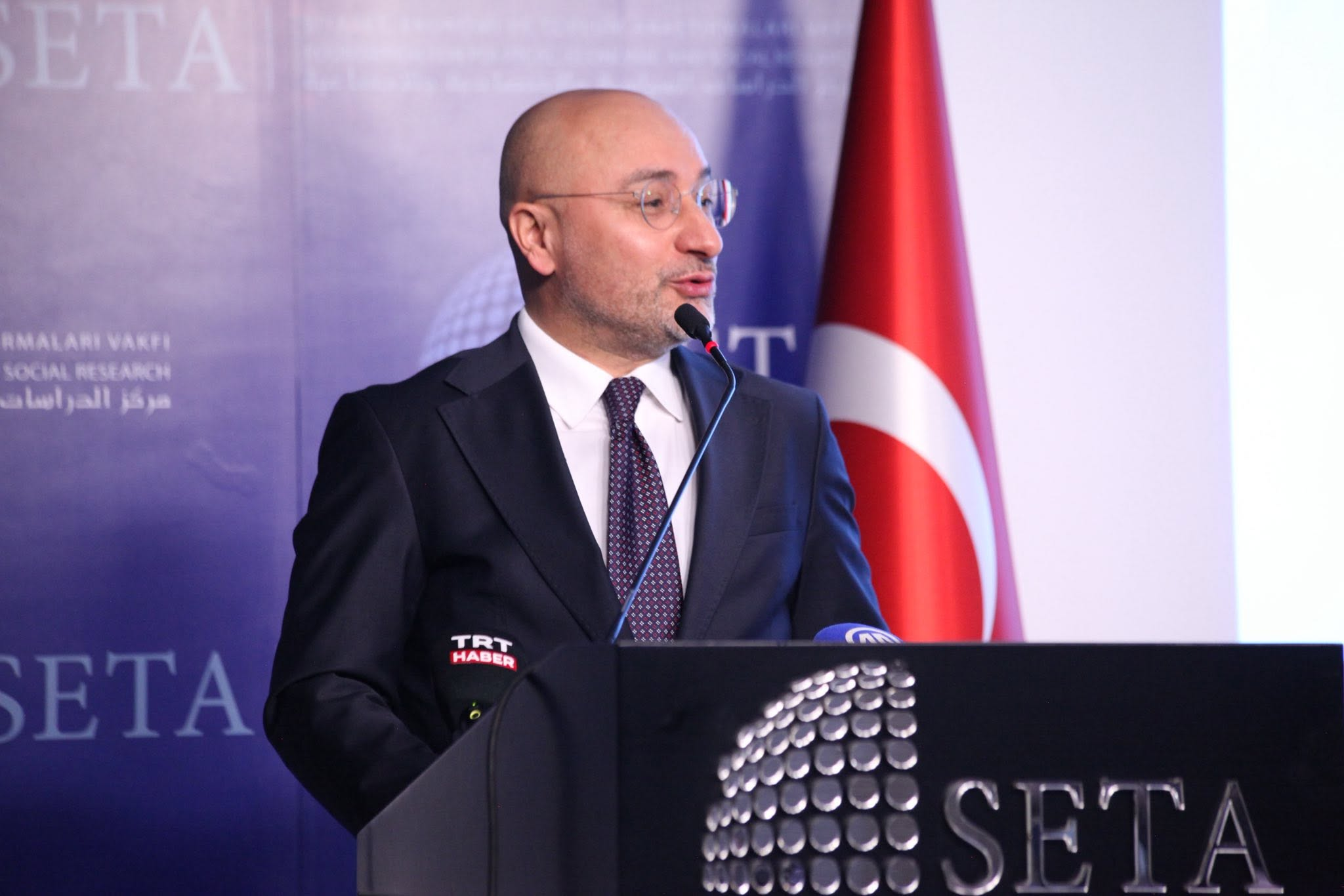
SETA General Coordinator Nebi Miş highlighted that robust political commitment and ongoing dialogue among leaders have enabled the conversion of common historical and cultural bonds into tangible political cooperation. He noted that, as global supply chains, energy pathways, and transportation networks undergo restructuring, a partnership rooted in trust and shared values is emerging as a key strategic advantage.
The head of IICA emphasized that the future of this cooperation depends on turning shared history, cultural ties, and mutual trust into tangible projects, investments, and regional connectivity efforts.
It was also emphasized that the Central Asia – Türkiye format should not replace existing platforms such as the OTS, ECO, OIC, SCO, OSCE, and CAREC. Its purpose is to develop a more targeted and practical agenda focused on the economy, investment, technology, energy, transport connectivity, education, and culture.
It was highlighted that trade between Türkiye and Central Asian countries has more than doubled since 2018, reaching $14.5 billion by 2025 and aiming for $30 billion by 2030. Turkish investments in the region grew 2.5 times from 2016 to 2024, with the number of Turkish companies increasing from around 4,000 to over 7,000. This growth underscores Türkiye’s expanding role as a key partner in trade, investment, logistics, and technology for the region.
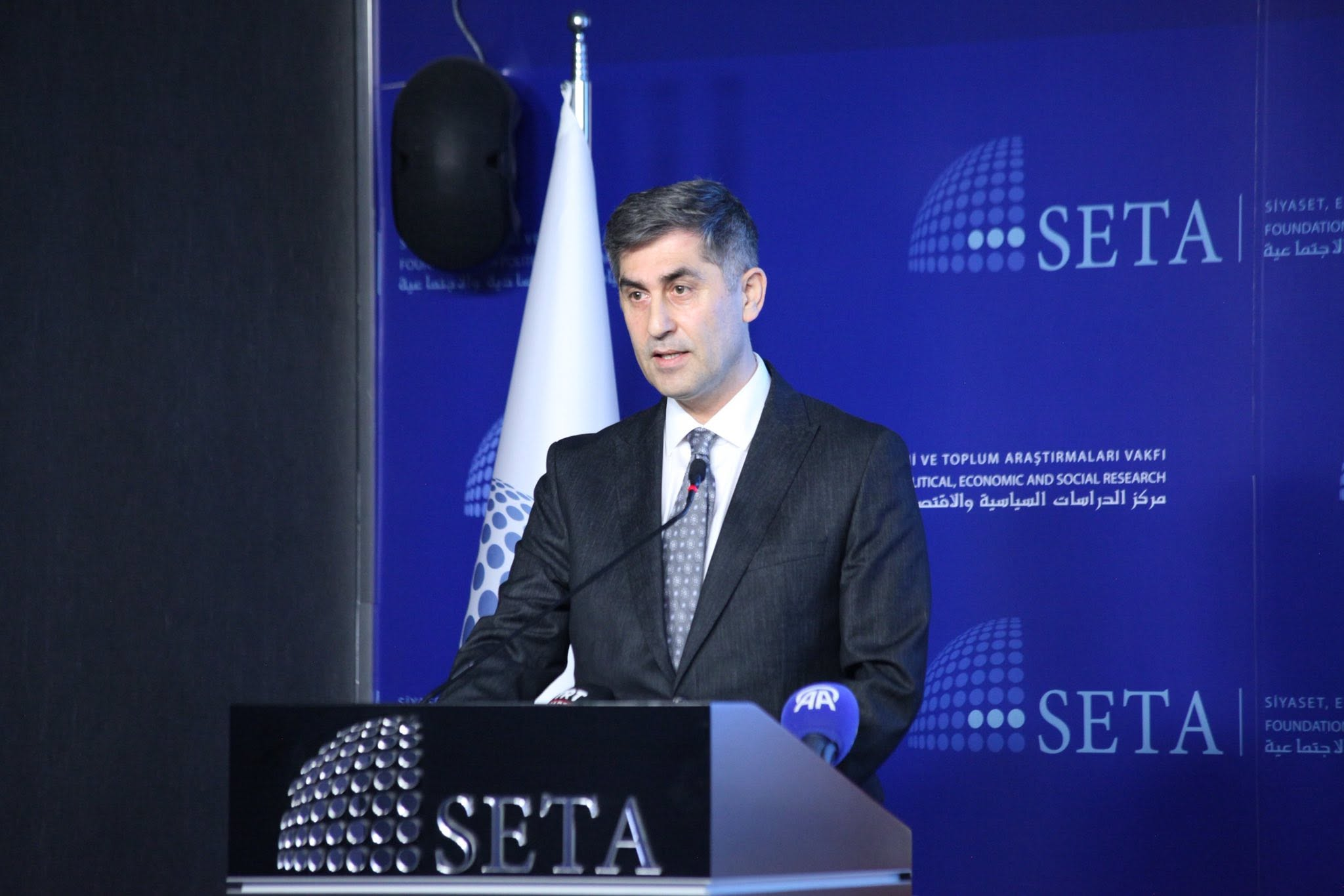
Particular focus was given to energy, critical minerals, and digital transformation. It was highlighted that Central Asia’s energy and mineral resources could be enhanced by Türkiye’s role as an energy hub and industrial collaborator, especially through initiatives in green energy, processing, battery materials, hydrogen, and new technologies. In the digital sector, key areas included artificial intelligence, financial technologies, cybersecurity, digital public services, agricultural innovations, water-saving solutions, joint educational programs, and training of digital experts.
Following the forum, participants stressed the need to enhance ongoing expert dialogue between Central Asia and Türkiye. They observed that in an environment of increasing international uncertainty, such engagement could help create practical solutions, boost regional connectivity, and establish a long-term cooperation plan rooted in trust, mutual benefit, and shared strategic goals.
G. Khonnazarov, UzA