Issues related to improving the insolvency framework discussed
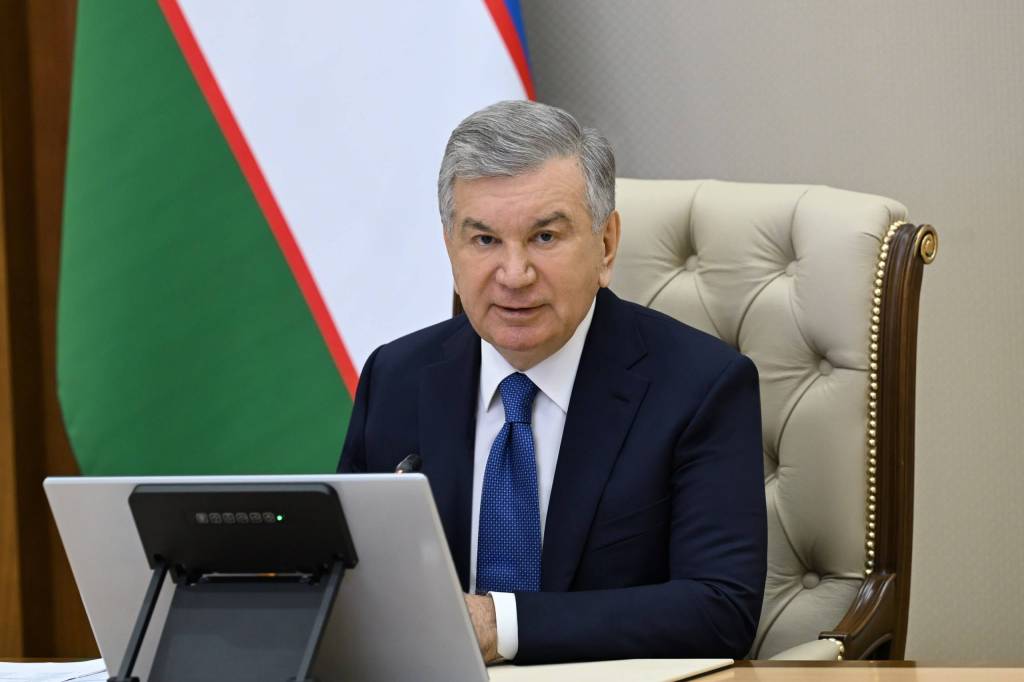
President Shavkat Mirziyoyev was briefed on new strategies to strengthen the insolvency system and enhance financial recovery for businesses facing financial challenges.
The country is consistently working to develop private businesses, support entrepreneurs, and create more favorable conditions for their growth. As a result of these reforms, over 300,000 individual entrepreneurs and 5.5 million self-employed individuals are now active, while the share of private businesses in the economy has grown from 45% to 58% over the past five years.
This year, 140 trillion UZS in loans are planned for allocation to small and medium-sized businesses. $8 billion in externally attracted resources will be directed through banks to support entrepreneurship in mahallas, and 20 trillion UZS will be allocated to regions to improve production, trade, and service infrastructure.

At the same time, it was noted that many issues persist in preserving existing businesses and jobs, as well as in providing early support to companies facing financial difficulties.
In particular, it was observed that the number of inactive and liquidated small businesses is increasing, suggesting that the current system prioritizes formal liquidation over preserving and recovering businesses.
First and foremost, insolvency procedures are not being applied effectively. Proceedings have been initiated in only 10,000 of the 93,000 businesses whose financial condition has worsened. Pre-trial and judicial rehabilitation mechanisms have also proven ineffective in practice – over the past five years, only 7 of the 68 enterprises that underwent rehabilitation have resumed operations.
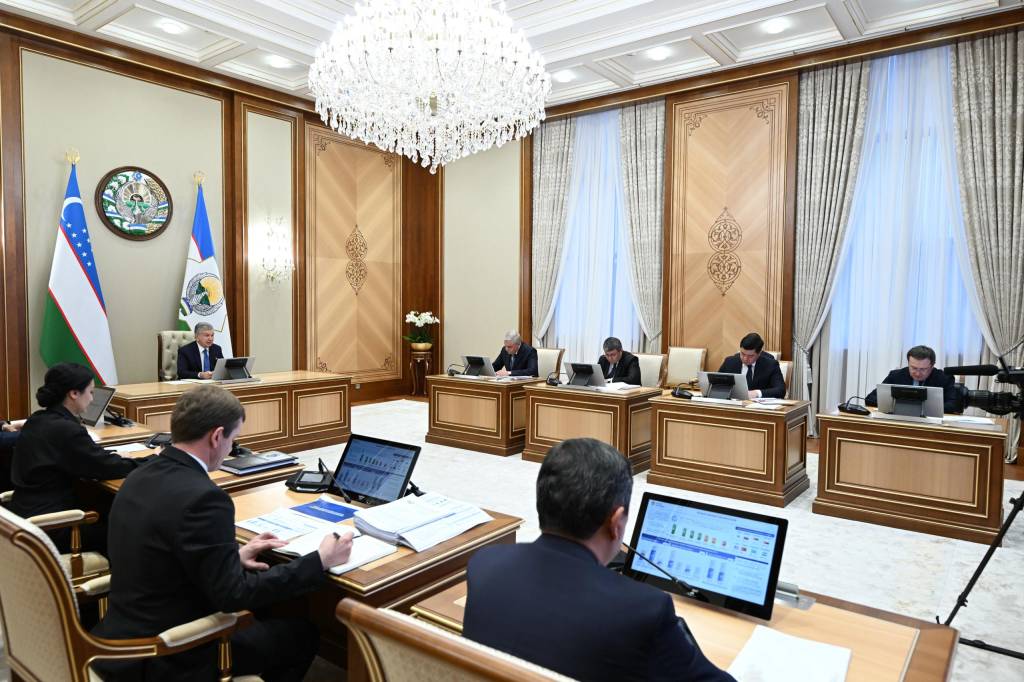
The activities of judicial administrators were also critically examined. It was observed that in several cases, procedural deadlines were missed, unfounded conclusions were issued, and mechanisms for the timely detection of fictitious bankruptcies remain insufficient. It was also noted that gaps in the remuneration system for judicial administrators hinder the recruitment of qualified specialists.
Furthermore, it was emphasized that the sector remains insufficiently digitized, with no online monitoring and control systems, no open register of enterprises undergoing bankruptcy or insolvency, and ineffective information exchange between government agencies.
In this regard, new institutional methods were proposed to improve the efficiency of state administration.
Specifically, it was proposed to create an Insolvency Agency under the Department of Justice. This agency will be tasked with implementing a unified national policy in this area, coordinating the efforts of relevant government agencies, analyzing the causes of bankruptcy, taking steps to address them, and supporting the financial recovery of businesses.
To improve the effectiveness of judicial administrators, it was suggested to create a Chamber of Judicial Administrators. The Chamber will coordinate their activities, organize professional development and training, monitor adherence to laws and professional ethics, and safeguard their rights and interests.
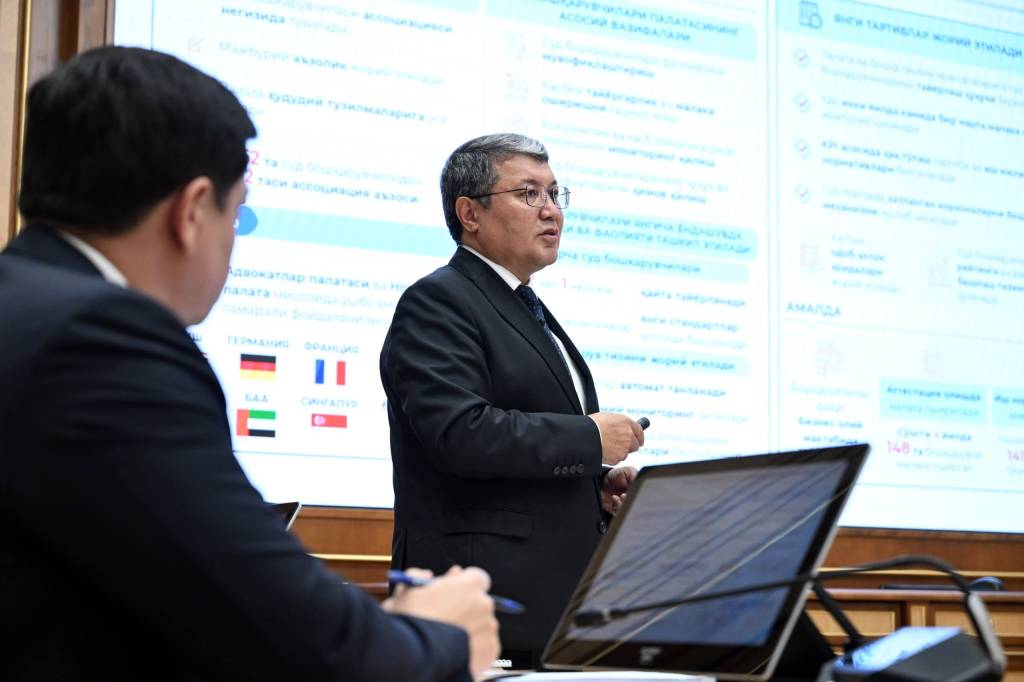
New financial mechanisms designed to assist enterprises facing financial difficulties were also introduced.
In particular, the plan is to support the financial recovery of businesses through the National Business Guarantee Company's guarantee for small and medium-sized enterprises, and by establishing low-interest credit lines with commercial banks via the Entrepreneurship Development Company.
Payments of both principal and interest on loans issued by commercial banks will be deferred until rehabilitation is complete. Afterward, the loans will be repaid over three years, creating a foundation for debt restructuring.
Special attention was also paid to simplifying the procedures for deferring and restructuring tax and credit debt.
In particular, a new procedure is being introduced whereby district and city councils of people’s deputies will be authorized to grant tax deferrals or allow installment payments. Tax authorities may also use similar mechanisms, such as collateral, bank guarantees, or insurance policies.
Support for pre-trial rehabilitation will also be expanded. It will become possible to use tools such as creditor agreements, securing financial assistance, deferring tax and loan payments, debt buyouts, production reprofiling, enterprise restructuring, engaging qualified specialists, and workforce retraining.
The importance of digitizing insolvency procedures was also highlighted.
It was proposed to introduce a unified electronic platform for managing insolvency cases. The platform will maintain registers of individuals subject to insolvency proceedings, enterprises undergoing rehabilitation, and judicial administrators. All processes, from application submission to enterprise liquidation, will be conducted electronically. In addition, access to the platform’s data will be open to the public and the media.
This will ensure transparency in the industry, accelerate information exchange, enhance control and monitoring, and reduce the time required to review applications.
The President emphasized that support for entrepreneurship should not be limited to starting new businesses. It is equally important to preserve existing ones, offer timely help to companies facing temporary challenges, and help them resume their economic activities.
Responsible officials were instructed to fundamentally enhance the insolvency framework, drawing on international experience, to incorporate modern management practices into the sector, and to establish effective rehabilitation mechanisms and digital solutions.
UzA