Issues of improving the higher education, science, and innovation system discussed
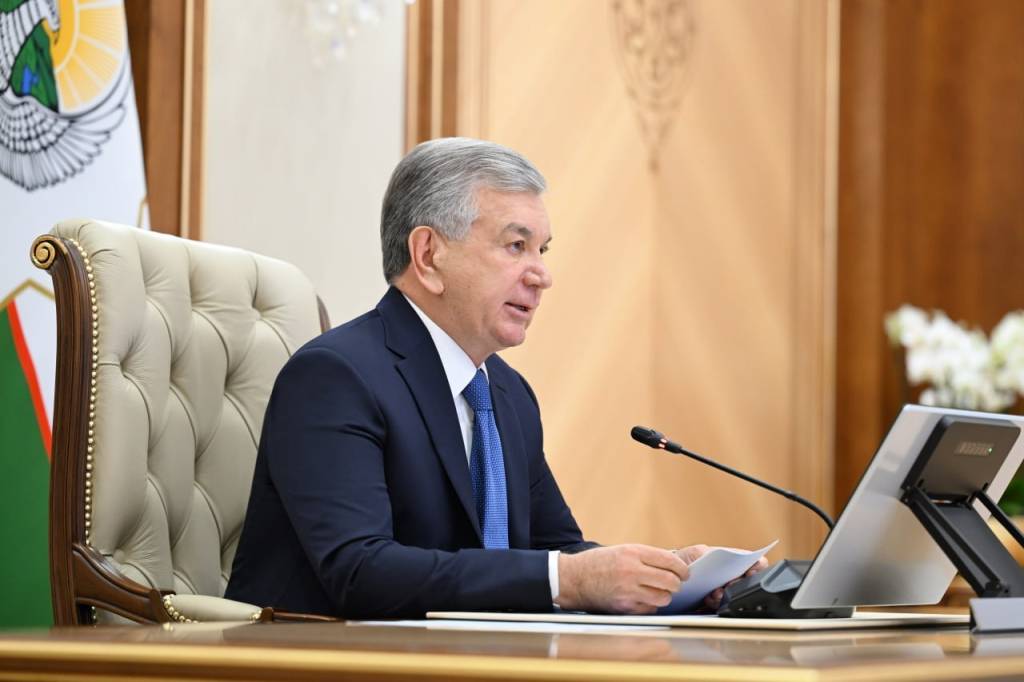
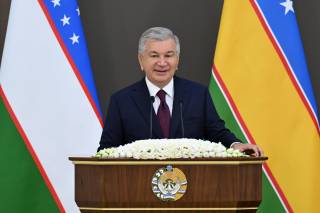
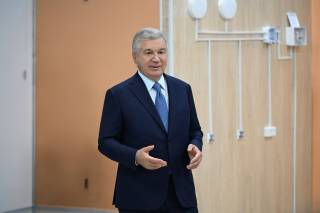
President Shavkat Mirziyoyev reviewed a presentation of proposals to enhance the system of higher education, science, and innovation.
In recent years, Uzbekistan has undertaken large-scale reforms to expand access to higher education, enhance its quality, strengthen scientific capabilities, and develop international partnerships. At the same time, effectively utilizing existing potential, deeper integration of science and the economy, and advancing education and scientific research remain urgent priorities.
In this regard, new measures developed to improve the higher education, science, and innovation system were discussed at the presentation.
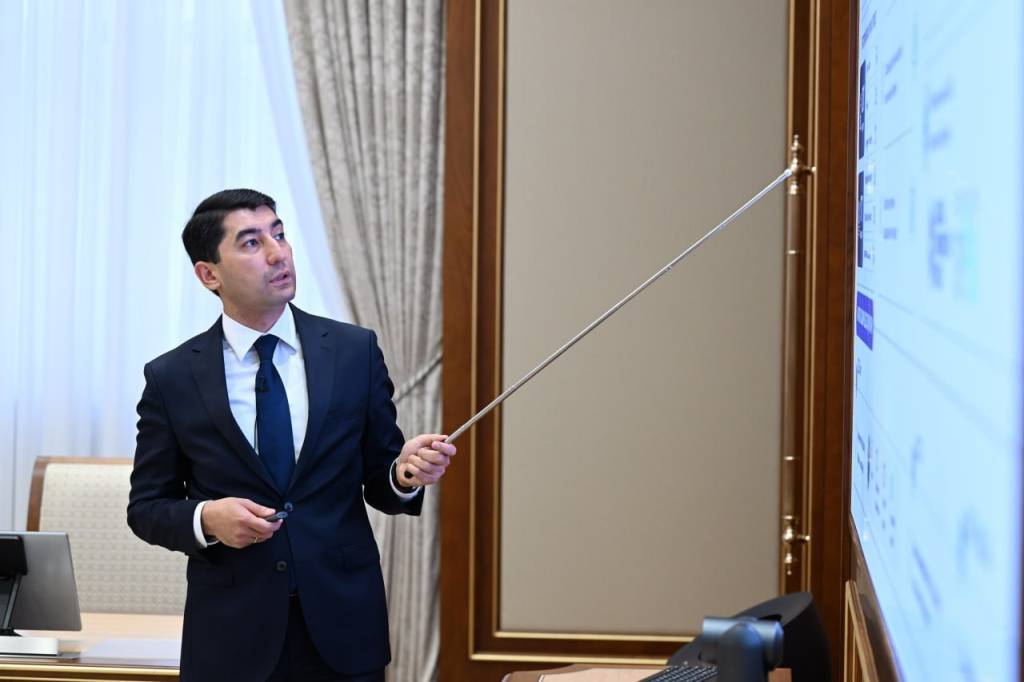
In particular, the program “U10 – Flagship Universities of Uzbekistan of Global Level” will be implemented. Within the framework of the program, 10 higher education institutions will be granted the status of national research universities on a competitive basis. Scientific clusters will be created within them.
The selection will be based on indicators such as the potential of the teaching and research staff, the rankings of participating institutions at the national and international levels, scientific infrastructure, and their share of funding.
The scientific clusters to be established will function as a consortium of local and international higher education institutions, research organizations, and industrial companies.
A higher education institution awarded the status of a national research university will receive up to 150 billion UZS from the Science Financing and Innovation Support Fund to establish a scientific cluster.
It is also planned to introduce performance-based funding mechanisms in the higher education system.
In particular, starting in 2027, a system of financial incentives for higher education institutions will be introduced based on their performance in the national rankings.
Universities will be evaluated based on criteria such as the quality of education, research activity, international cooperation, digitalization, and graduate employment.
New methods have been proposed for allocating funds to universities for student education through state grants. These now consider factors such as the complexity of educational programs, labor market demands, the university’s ranking, regional considerations, and incentives for faculty work.
A new system for funding scientific research is set to be implemented. Specifically, at least 50 percent of the funds allocated to state scientific programs will be directed toward priority areas. The selection of projects will be conducted in collaboration with international experts, scientific and technical councils, and sectoral enterprises.
A new system has been proposed to expand the commercialization of scientific developments in the activities of higher educational institutions and research organizations.
Specifically, the plan is to initiate the production of innovative products and services by creating university spin-off companies, based on the “industry – enterprise – higher education institution – research organization” chain.
This is intended to promote the application of scientific results in practice, boost technology transfer, and increase the entrepreneurial activity of universities.
To transform Uzbekistan into a regional educational hub, new measures for attracting international students have been proposed. In particular, it is planned to introduce the “New Uzbekistan Scholarship” program, which provides annual grants to up to 500 talented foreign citizens to pursue higher education at the country’s state universities.
During the presentation, other key initiatives focused on enhancing governance efficiency in the sector, advancing digital education and artificial intelligence, and supporting innovative youth projects were also discussed.
The Head of State stressed the importance of thoroughly developing the proposed measures and elevating the system of higher education and science through the phased implementation of these initiatives. Relevant instructions were given to responsible officials.
UzA