Green energy requires qualified specialists
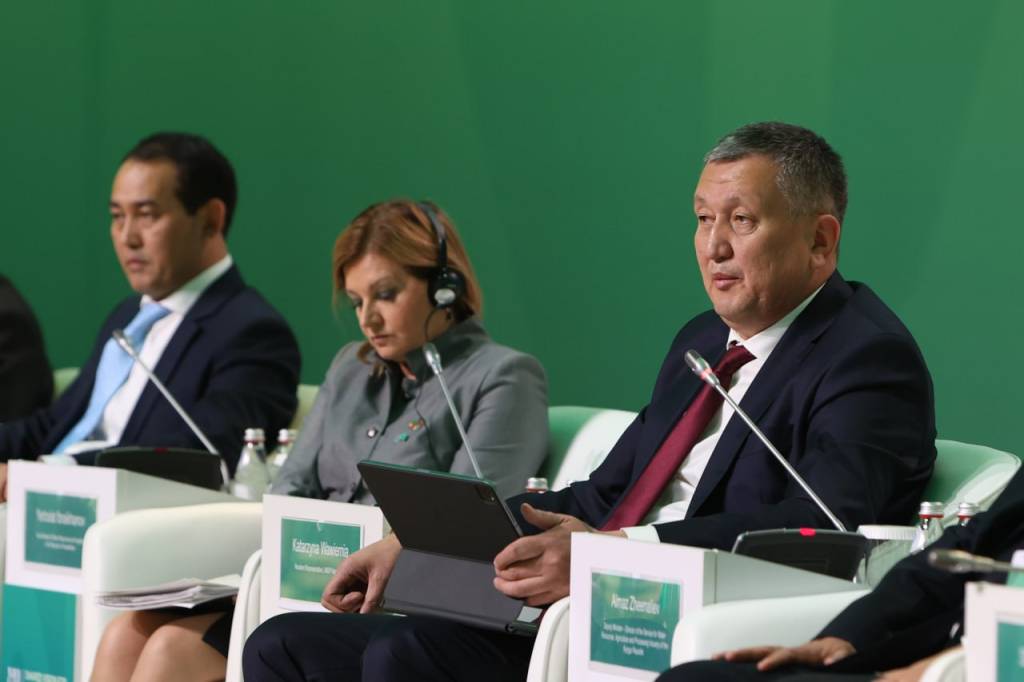
Central Asian countries plan to commission up to 8 gigawatts of new solar and wind power capacity. This information was shared by experts during the Regional Ecological Summit in Astana, Kazakhstan.
According to energy experts, the development of renewable energy in the region faces a key barrier – the shortage of qualified specialists. At the same time, the renewable energy sector is growing rapidly: in 2023, it employed 16.2 million people, 2.5 million more than the previous year. About 44 percent of jobs are in the solar energy sector. By 2030, the share of renewable sources in global electricity generation is expected to reach 43 percent. Against this backdrop, Central Asian countries plan to commission up to 8 gigawatts of new solar and wind power capacity. However, the pace of industry development is already outstripping the capacity of education and training systems.
As part of a session organized by the Regional Environmental Centre for Central Asia in cooperation with the Organization for Security and Co-operation in Europe and GIZ, experts discussed which competencies will be most in demand in the coming years, how to align educational programs with real market needs, strengthen practical training, and develop joint research and academic mobility.
Particular attention was paid to the role of the private sector in workforce training and the introduction of innovations. To underscore the importance of this work, memoranda of understanding were signed between technical universities in Central Asia and the Regional Environmental Centre for Central Asia. This will lay the groundwork for a regional system for training specialists, joint research, and sustainable academic cooperation.
Roman Bondarchuk, UzA
Astana, Kazakhstan