Full-cycle poultry project underway in Turakurgan district
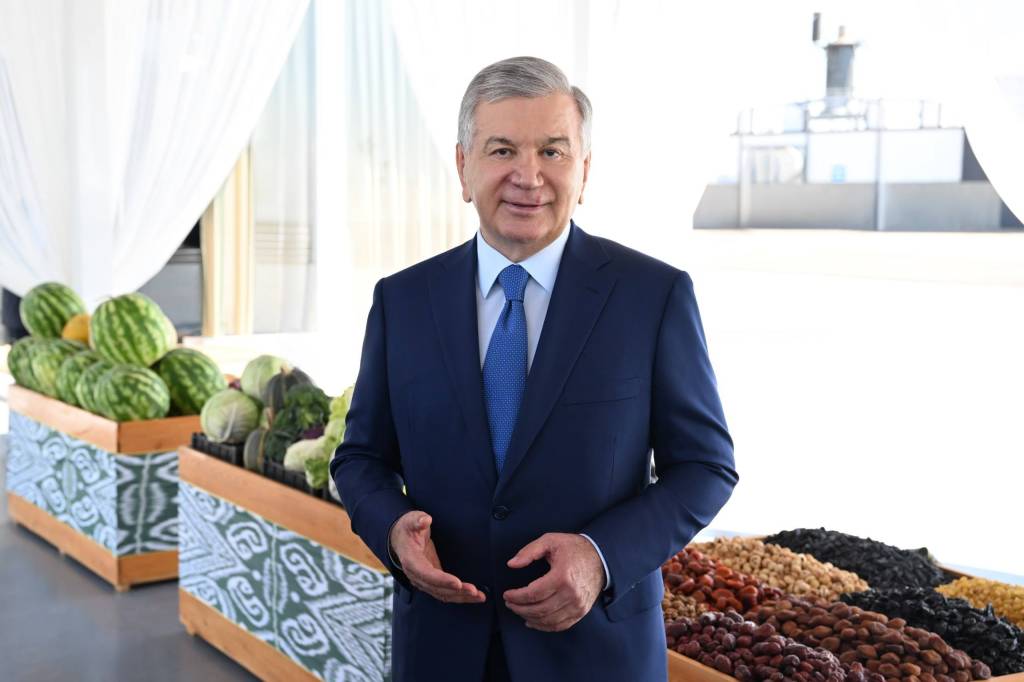
The Uychi Parranda enterprise in Turakurgan district is currently undertaking a significant investment project that includes hatching egg production, incubation, and meat processing.
During his visit to Namangan region, President Shavkat Mirziyoyev also reviewed the operations of this enterprise.
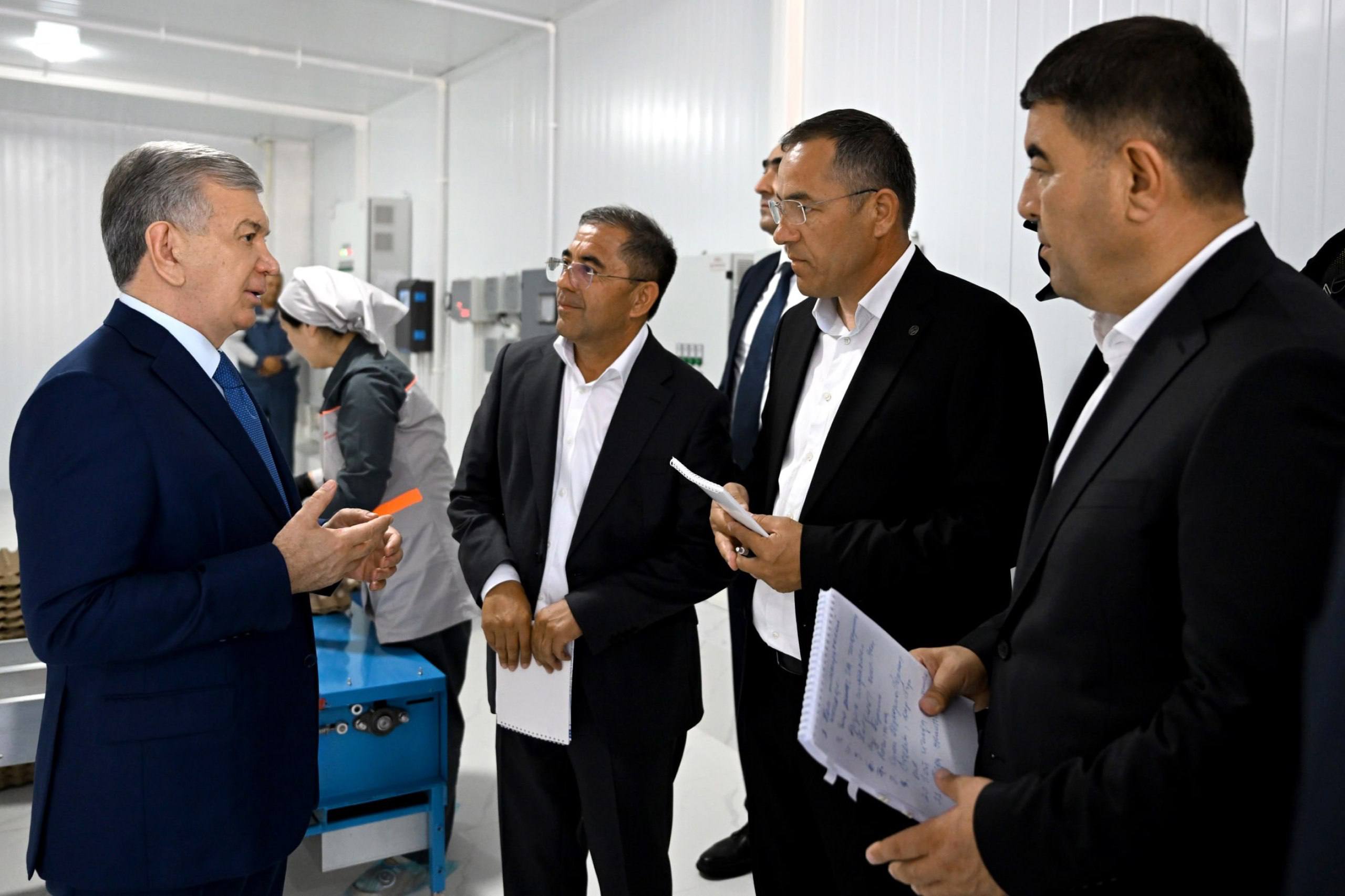
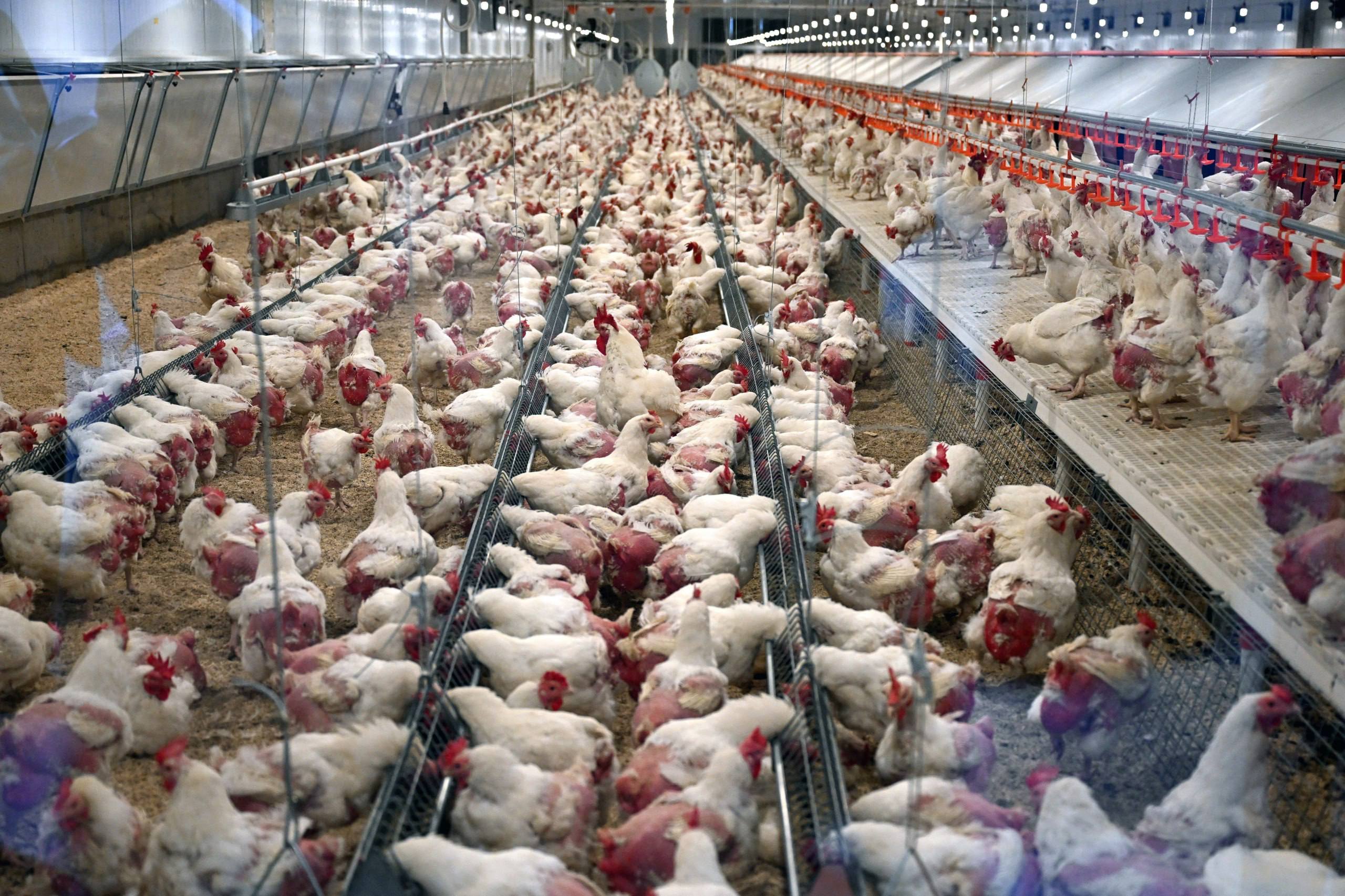
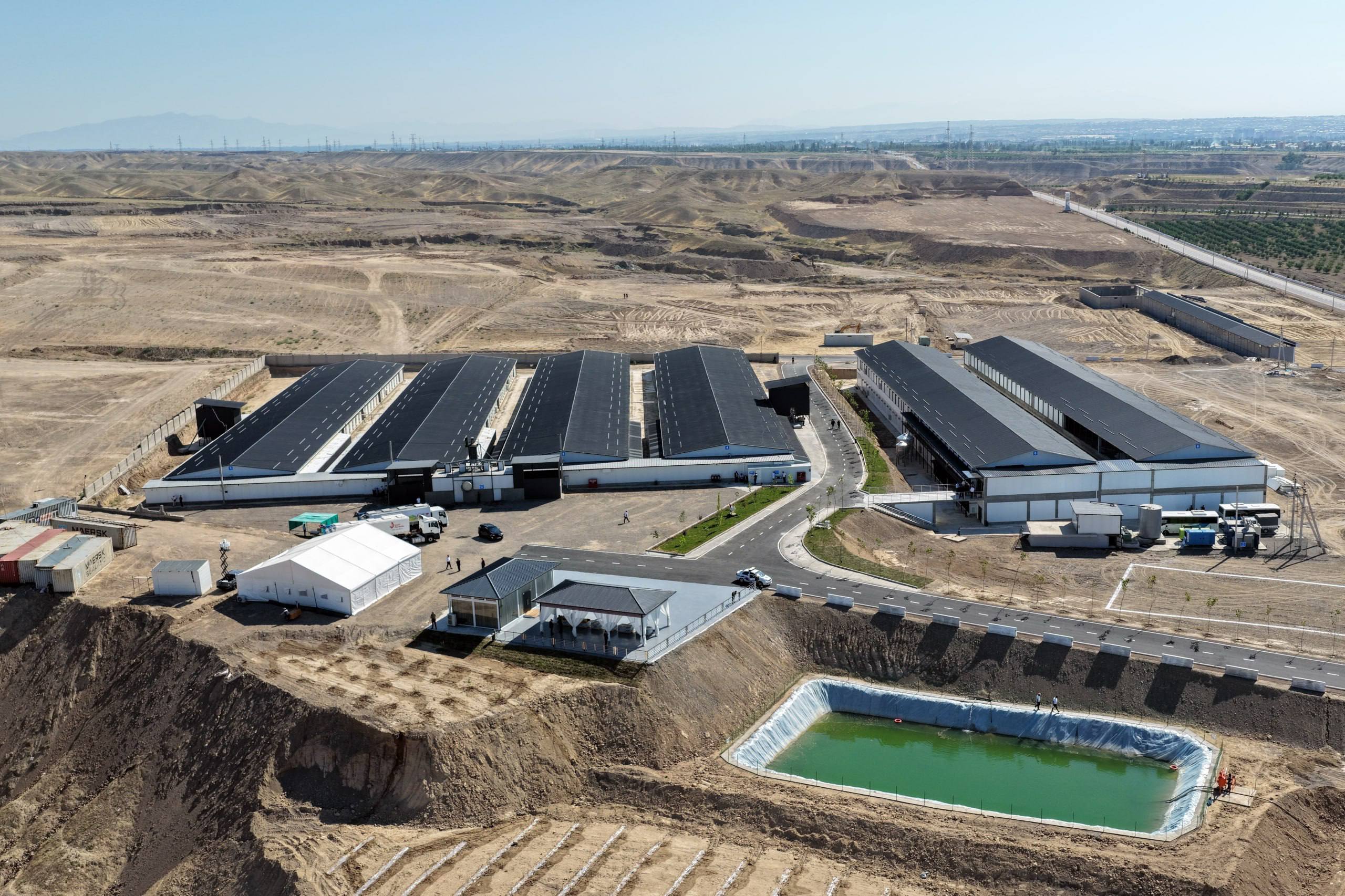
A $50 million loan from a commercial bank is enabling the intensive raising of 60,000 pedigree chickens bought from Aviagen, a Hungarian company, on a 121-hectare farm. The core benefit of this enterprise, compared to traditional farms, is its fully integrated industrial cycle, which spans everything from incubation to finished meat products.
The modern genetic technologies presented here for pedigree poultry enable the production of 60,000 high-quality eggs each day and the hatching of 50,000 chicks using incubators.
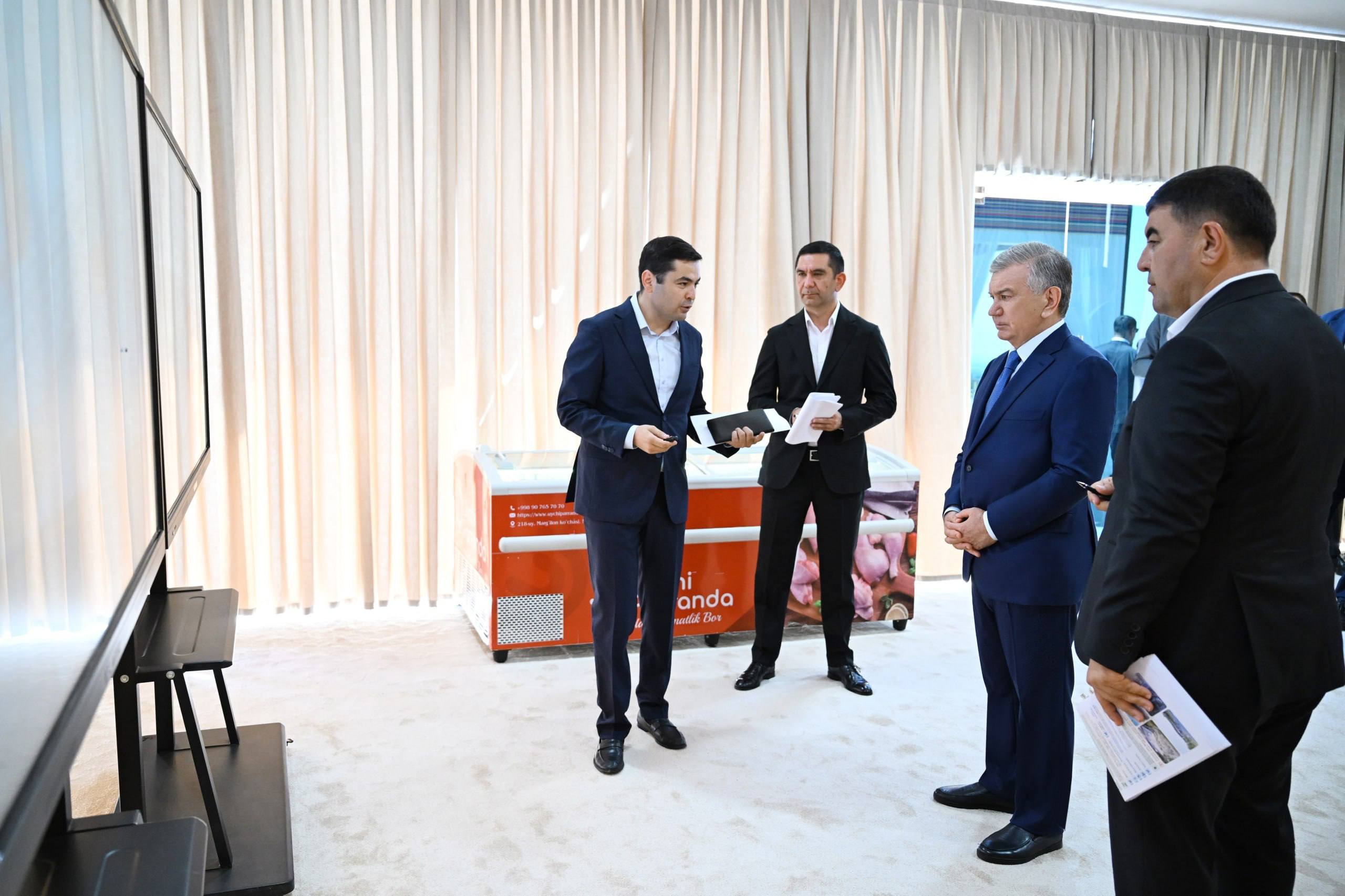
The meat production lines implemented through the project are very cost-efficient. Each complex, built to house 100,000 birds, raises broilers for 45-50 days, yielding up to 120 tons of chicken meat per cycle.
Based on this successful experience, the need to build new poultry complexes in Mingbuloq, Namangan, Norin, Pop, Uychi, Chust, and Chortoq was noted for the future. As a result, the region’s total poultry population will reach 12 million, the number of additional jobs created under the project will rise to 500, and, with expanded cooperation, a total of 1,000 new jobs will be created.
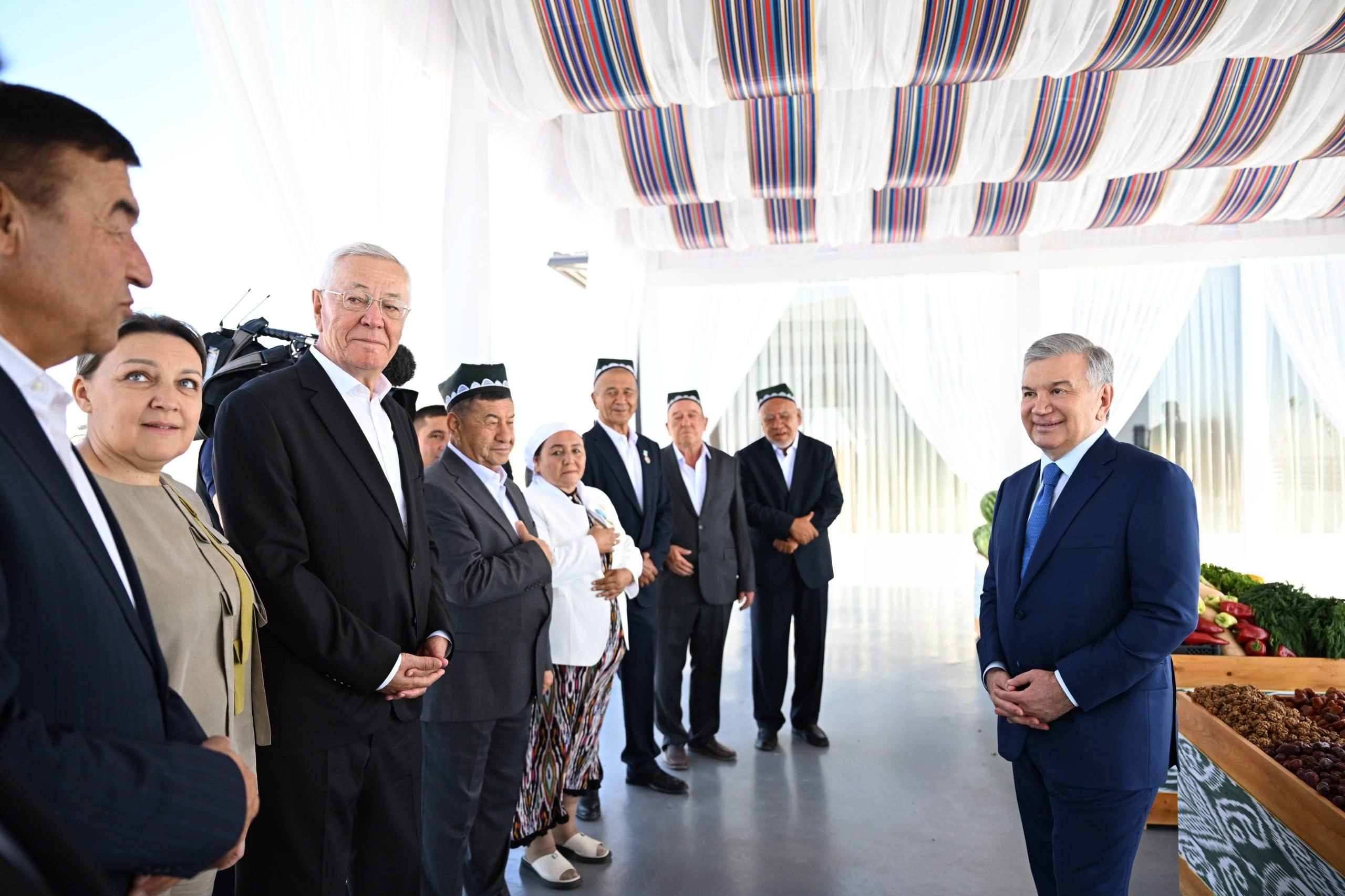
The fully integrated production chain established by Uychi Parranda will help ensure stable prices for poultry meat and eggs not only in Namangan region but also across the markets of the Fergana Valley. Once the project reaches full capacity, export volumes will also increase.
Here, the Head of State also met with leading farmers and entrepreneurs from the region.
Additionally, presentations covered projects on efficiently utilizing vacant land plots in Namangan region and on a 100-hectare super-intensive orchard established in Pop district.
The orchard, valued at 20.7 billion UZS, was developed considering the natural climate and soil conditions of Pop district. Crucially, this project has turned previously uncultivated land, often affected by water supply issues, into a consistent source of income.
A total of 66,600 high-yield fruit tree saplings have been planted in the orchard, focusing on varieties in high market demand. Approximately 40,000 apricot saplings are cultivated across 60 hectares, 16,600 peach saplings on 25 hectares, and 10,000 sour cherry saplings on 15 hectares.
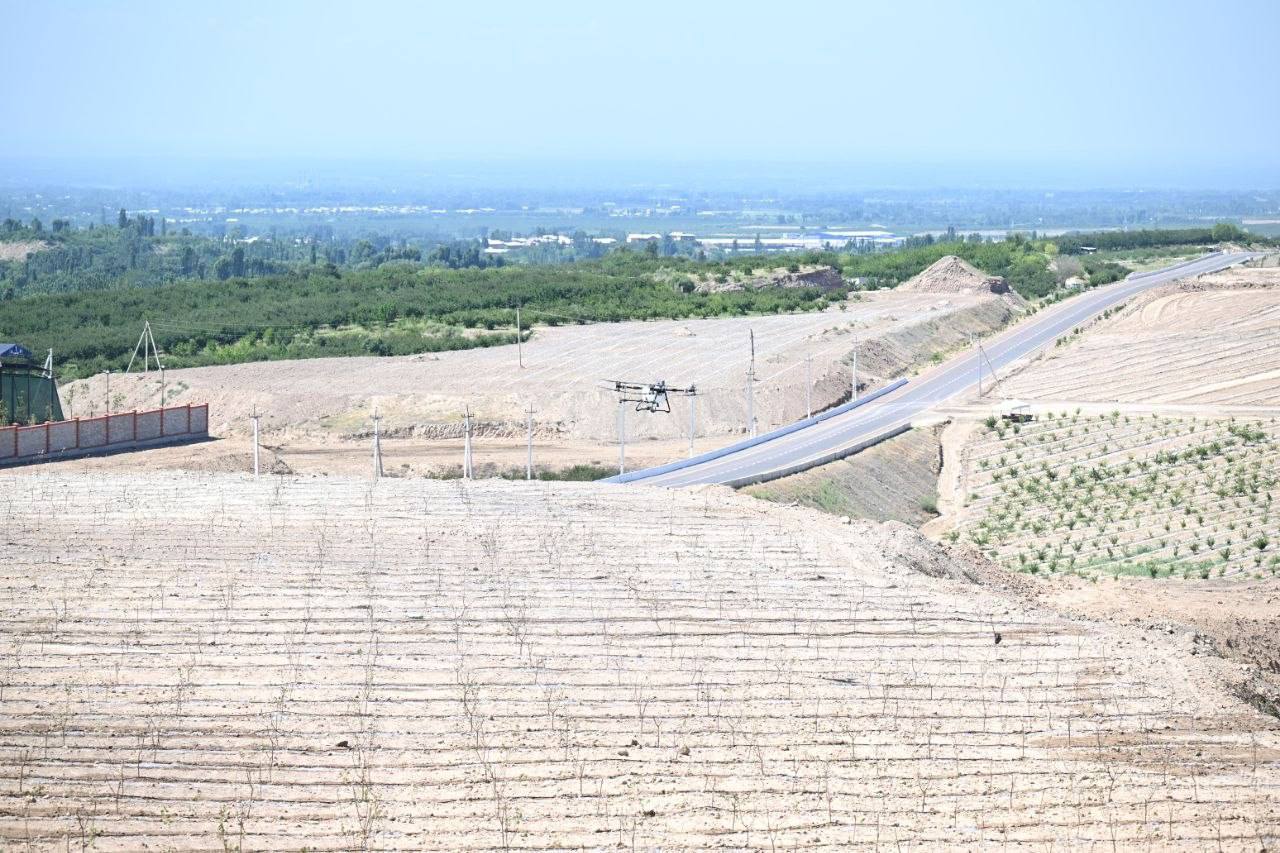
Thanks to modern irrigation and cultivation techniques, the orchard is anticipated to yield an average of 20 tons of high-quality fruit per hectare, significantly surpassing the output of traditional orchards.
Under the cooperative system described here, 300 low-income families have been allocated approximately 0.74 acres each. This method provides these households with a reliable source of income.
Therefore, initiatives to convert unused land into productive economic use persist steadily in Namangan region.
Between 2019 and 2024, 38,900 hectares of land were reclassified for agriculture in the region, with an additional 7,028 hectares brought into cultivation in 2025. As part of this strategy, 18,000 hectares of unused land will be developed in phases by 2028.
UzA